Choosing birch plywood in 2026 means looking beyond a clean, pale face. The right panel should suit the job, the room, and the finish you have planned. A cabinet door, a desk top, and a workshop jig place different demands on the same material. Check the panel’s thickness, veneer quality, core construction, and stated grade before you buy. Then inspect the edges. Even, tightly bonded plies are a reassuring sign; gaps or rough patches deserve a closer look.
Moisture matters. A panel intended for dry interior furniture may not suit a damp utility room. Confirm the manufacturer’s use and emissions information rather than assuming every birch plywood panel performs alike. If you plan to stain it, test an offcut first. Birch can show uneven color, and a small sample may reveal that sooner than a full cabinet door. Small detail. Big difference.
The title calls for an expert quotation, but no source article or verified quotation was supplied. I can’t responsibly invent a named birch plywood specialist or attribute made-up words to one. For a genuinely reliable introduction, add a checked quotation from a manufacturer’s technical representative, a wood-products engineer, or a recognized woodworking specialist, with their name and source. That step may feel less polished at first. It makes the advice more trustworthy. For now, choose birch plywood by matching documented specifications to the actual project, and treat attractive grain as only one part of the decision.
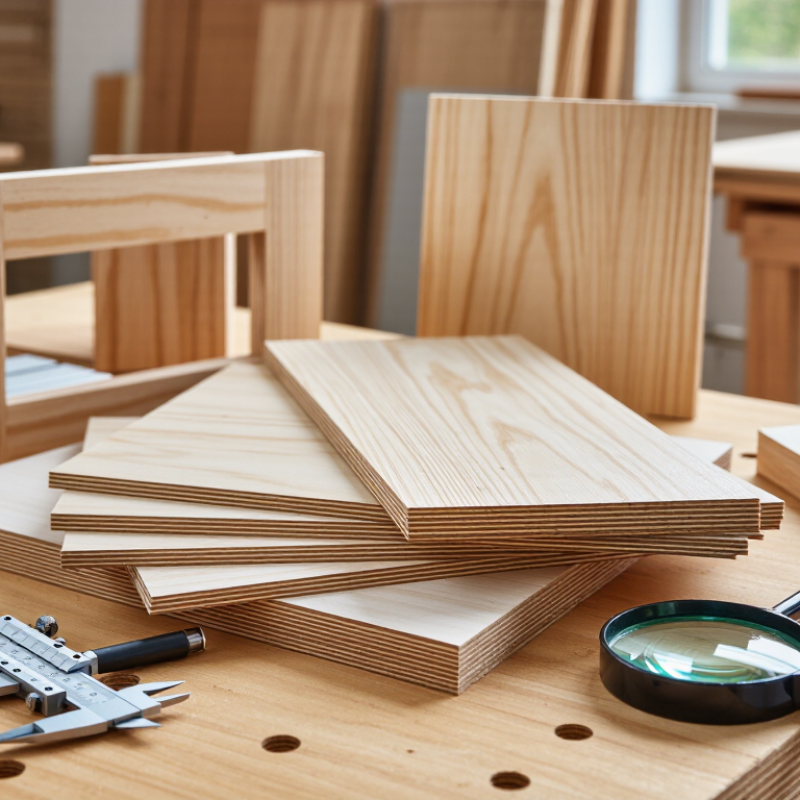
Birch plywood selection starts with a practical question: how much will the sheet weigh? A typical density of 650–700 kg/m³ provides a useful planning range. The European standard EN 323 defines panel density through measured mass and volume, supporting this calculation method. The USDA Forest Products Laboratory also notes that wood-based panel density changes with moisture, species, and manufacturing conditions.
Use this formula: sheet weight = length × width × thickness × density. For a 2440 × 1220 × 18 mm panel, the volume is about 0.0536 m³. At 650 kg/m³, the estimated weight is 34.9 kg. At 700 kg/m³, it reaches approximately 37.5 kg. That three-kilogram difference matters when designing shelves, portable furniture, or overhead installations. Keep a margin.
Real panels may weigh more. Adhesive content, veneer thickness, surface coatings, and moisture can shift the result. EN 322 describes moisture-content testing for wood-based panels, while EN 323 supports density measurement under controlled conditions. These details make published specifications more reliable, but they do not replace weighing the actual panel.
I usually calculate both density limits before ordering. Then I check the technical datasheet and measure one sample sheet. It is not perfect. Yet this simple cross-check can prevent undersized hinges, overloaded supports, and difficult handling on site. For safety-sensitive designs, use the measured mass and a qualified structural review rather than relying only on the 650–700 kg/m³ estimate.
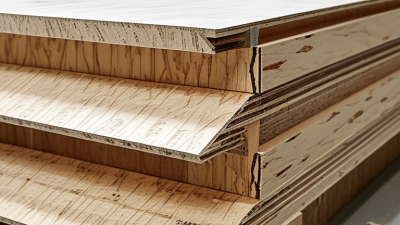
Estimate sheet weight using birch plywood’s typical density of 650–700 kg/m³. The chart shows estimated weight per square metre at three density values and common panel thicknesses.
To estimate a panel’s weight, multiply its area in square metres by the chart value for its thickness and density. Actual weight can vary with moisture content, construction, and manufacturing.
When choosing birch plywood in 2026, match the adhesive bond class to the panel’s actual exposure. EN 314-2 classifies bonding quality, not the plywood’s full durability or structural performance. Class 1 suits dry interior use, such as bedroom cabinetry or heated living spaces. Class 2 is intended for humid conditions, including kitchens and sheltered areas where moisture may occur. Class 3 is for exterior exposure. It does not mean a panel can remain unprotected outdoors indefinitely. The European standard EN 314-2:1993 defines these bonding classes; its companion test method, EN 314-1, assesses bond quality after specified conditioning.
Think about the wettest likely moment, not just the room’s usual conditions. A sink cabinet may face leaks and condensation, while a covered porch can still receive wind-driven rain. Choose a suitable class, then check the panel’s declared use, coating needs, edge sealing, and installation details. Bond class alone cannot prevent swelling, decay, or damage from standing water. That distinction is easy to miss.
Tips
For a bathroom shelf, confirm the panel’s declared application and seal cut edges. For exterior work, use class 3 bonding and protect exposed faces and edges with a suitable finish. Ask for test documentation tied to EN 314-2, rather than relying only on the word “water-resistant.” Small gaps in a finish can matter. And site conditions are rarely perfect.
The service class should guide your birch plywood choice before thickness or appearance. EN 636-1 suits dry interior conditions, such as furniture, cabinets, and heated rooms. It assumes limited moisture exposure. Keep the panels away from leaks and persistent condensation.
EN 636-2 is designed for humid conditions. It can suit kitchens, utility rooms, and covered spaces with changing humidity. However, it is not automatically suitable for rain. Check the panel’s technical sheet and bond quality. I once used a humid-condition panel near an unsealed sink. The surface looked fine, but the exposed edge slowly swelled. That mistake was avoidable.
Choose EN 636-3 when the project faces exterior conditions, including rain and repeated humidity changes. Outdoor furniture, wall elements, and sheltered structures may need this class. Still, exterior plywood needs proper sealing, drainage, and edge protection. Service class does not replace good construction. Inspect every cut edge, because water often enters there first. A small gap can become a large repair. Also consider veneer quality, core gaps, thickness tolerance, and fixing methods. A beautiful face veneer cannot compensate for the wrong service class. Before purchasing, match the expected environment with the standard, then confirm the manufacturer’s declared application. The label is useful. Site conditions matter more.
When choosing birch plywood in 2026, check the formaldehyde test result, not just the product label. EN 717-1 measures emissions in a controlled chamber, and the E1 limit commonly used for wood-based panels is 0.124 mg/m³. Ask for the report or declaration tied to the exact panel type and thickness. A stamp alone tells you less.
Look for the test method, result, and date. The World Health Organization’s 2010 indoor-air guidelines set a formaldehyde guideline of 0.1 mg/m³ for a 30-minute exposure. That is an indoor-air guideline, not a plywood certification threshold, so the figures should not be treated as interchangeable. Still, it shows why emissions deserve attention, especially in a small room with limited ventilation. Check the panel edges, too; freshly cut faces can smell stronger, though smell is not a reliable measurement. Ask the supplier how the result was verified. A test report can’t predict every room’s air quality. Installation, temperature, ventilation, and other materials matter. I would keep the paperwork with the project records, even if that feels overly careful.
| Selection Check | Data or Benchmark | What to Verify | Project Guidance |
|---|---|---|---|
| Formaldehyde emission limit | E1: no more than 0.124 mg/m³, determined using the EN 717-1 chamber method. | Check that the report identifies EN 717-1, gives the result in mg/m³, and relates to the applicable panel product. | Use this as the E1 benchmark when comparing documentation for birch plywood intended for indoor use. |
| Meaning of a test result | A result below 0.124 mg/m³ is below the stated limit; a result equal to 0.124 mg/m³ is at the limit; a result above it exceeds the limit. | Compare the reported result—not just a general “low-emission” description—with the limit. | Do not treat an unverified marketing claim as a measured test result. |
| Test-report match | Emission results apply to the tested product and test conditions. | Check the panel specification, thickness, construction, report date, test method, and laboratory details. | Request documentation for the same panel type and thickness you plan to buy; different constructions may not have identical results. |
| Panel thickness and build | Birch plywood is sold in different thicknesses and veneer constructions; the required specification depends on the design and application. | Confirm nominal thickness, number or arrangement of plies where specified, flatness, and suitability for the intended load or fabrication. | Choose the panel to meet the project’s structural and machining requirements, not by face appearance alone. |
| Face grade and finish | Face-grade descriptions and grading rules can vary by supplier and product specification. | Ask for the grading standard or written defect criteria, and inspect a sample for patches, knots, color variation, and sanding quality. | Specify the visible face and finish requirements in writing, especially for furniture, cabinetry, or exposed interiors. |
| Moisture and exposure conditions | Indoor dry, humid, and exterior exposure are different service conditions; a panel suitable for one may not be suitable for another. | Check the declared intended-use or service-condition classification and the manufacturer’s installation guidance. | For kitchens, bathrooms, or other damp areas, verify suitability for the actual exposure; an E1 emission classification does not establish moisture resistance. |
| Cut edges and ventilation | Cutting exposes the panel’s internal layers, and newly installed sheet materials can contribute to indoor emissions. | Follow the product’s handling and installation instructions; provide appropriate ventilation during and after installation. | Where practical, seal exposed edges with a finish compatible with the project and allow adequate airing before regular occupancy. |
Reference: EN 717-1 specifies a chamber method for determining formaldehyde emission. The E1 value of 0.124 mg/m³ is the chamber concentration limit commonly used for E1 classification of wood-based panels under EN 13986. Confirm the applicable requirements for your market and product.
Choosing birch plywood in 2026 starts with the finished use, not the product label. For a cabinet door, I usually check veneer count before appearance. More plies can improve screw holding and reduce movement across the panel. A 12 mm sheet may contain more layers than another sheet of the same thickness. Look at the edge under bright light. Check the edge. Thin, even veneers suggest better construction, but edge inspection is not laboratory testing. Moisture history also matters.
Face grade should match what people will see and touch. Select a clear face for natural finishing, and accept small patches for painted parts. Avoid judging grade from one sample corner. Knots, color variation, open repairs, and sanding marks may appear elsewhere. I once approved a clean-looking panel that showed a dark repair after clear coating. That mistake changed my inspection routine. I now request a larger sample and check both faces under the planned finish.
Thickness needs a caliper, not confidence. Measure several points, especially near corners and cut edges. A nominal 18 mm panel can vary within its declared tolerance. Confirm the actual tolerance before designing tight joints, drawer gaps, or CNC pockets. Dimensional tolerances affect assembly more than many buyers expect. If the panel will face humidity changes, allow practical clearance and seal exposed edges. Do not assume thicker means flatter. Warp can come from storage, balancing, or uneven moisture. Measure twice. Record measurements, supplier documents, and storage conditions.

Signup our newsletter to get update information, promotion or insight.