China Top 10 Birch Plywood 4x8 Suppliers for Global Buyers
China has become a major force in the global wood-based panel industry. The FAO’s Global Forest Products Facts and Figures 2023 reported worldwide wood-based panel production at approximately 390 million cubic metres. China represented a substantial share of that output, supported by large-scale manufacturing, established export networks, and broad veneer-processing capacity. These conditions make Chinese suppliers worth examining, but production volume alone does not prove consistent quality.
This guide introduces China’s top 10 birch plywood 4x8 suppliers for global buyers. The standard sheet measures 1,220 by 2,440 millimetres. Buyers should inspect more than the catalogue photograph. Core gaps, veneer thickness, sanding quality, formaldehyde emissions, moisture resistance, dimensional tolerance, and packaging can change the final result. Relevant benchmarks include EN 13986, EN 636, CARB Phase 2, and EPA TSCA Title VI, depending on the destination market. FSC certification may also matter where responsible sourcing is required.
The material remains practical and visually precise.
Architect and mass-timber expert Michael Green has said, “Wood is the only structural building material that grows naturally.” His observation highlights wood’s renewable potential, but it should not encourage careless purchasing. Manufacturing quality, forest management, adhesives, and transport impacts still require evidence. This ranking considers factory experience, export records, technical documentation, inspection practices, and buyer feedback. No supplier list is perfect. Factory conditions can change, and online claims may look stronger than the delivered sheets. Global buyers should request recent test reports, production samples, and independent pre-shipment inspections before placing large orders.
Birch Plywood 4x8: Grades, Standards, and Global Applications
China Top 10 Birch Plywood 4x8 Suppliers for Global Buyers
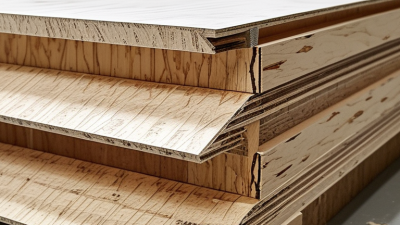
Birch plywood 4x8 panels typically measure 1220 × 2440 mm. They suit furniture, cabinets, wall panels, and interior fittings. Common grades include B/BB, BB/BB, BB/CP, and CP/CP. The first letter describes the better face. The second describes the reverse face. Grade names can vary between suppliers, so buyers should request face photographs and written grading rules.
Bonding performance matters as much as appearance. EN 314-2 classifies plywood bonding quality, while EN 636 addresses performance for dry, humid, or exterior conditions. These standards do not automatically prove compliance. Ask for recent laboratory reports, thickness measurements, moisture data, and formaldehyde emission results. Requirements may differ under local building, furniture, or environmental regulations. A certificate without batch traceability is weak evidence.
In practical sourcing, I check panel edges, core joints, sanding marks, and visible patches under strong side lighting. A clean face can hide internal gaps. Request cut samples when structural performance matters. For export orders, confirm pallet protection, panel count, net weight, and container loading plans. Birch plywood works well for CNC cutting because its layered core is relatively stable. Yet it is not suitable for every outdoor project. Select exterior-rated panels only when the adhesive, veneer, and test documentation support that use. Some purchasing decisions still rely too heavily on attractive samples. That mistake deserves closer review.
How to Assess China’s Birch Plywood 4x8 Suppliers
Choosing among China’s birch plywood 4x8 suppliers requires more than comparing quotation sheets. A low price may hide thinner panels, mixed core veneers, or unstable moisture levels. Request a current sample sized 1220 by 2440 millimeters. Measure thickness at several points, inspect edge gaps, and check whether the surface remains flat after storage.
A dependable supplier should explain veneer grades, adhesive type, pressing temperature, and production tolerances clearly. Ask for laboratory reports covering bonding strength, formaldehyde emissions, moisture content, and screw-holding performance. Verify that test results match the latest batch, not an old sample. Factory videos help, but an independent inspection provides stronger evidence. Small details matter, such as pallet protection, corner guards, and moisture-resistant wrapping during ocean transport.
Communication also reveals operational experience. Can the supplier answer technical questions without vague promises? Do they report defects honestly? No supplier is flawless. That matters less than having a documented correction process. I would compare three samples from different production dates, because one attractive panel can mislead a buyer. Check references from importers with similar climates and applications. A supplier may offer excellent panels yet struggle with consistent packing or delivery schedules. Assess the whole process, not only the plywood.
China Top 10 Birch Plywood 4x8 Suppliers for Global Buyers
How to Assess China’s Birch Plywood 4x8 Suppliers
This 100-point evaluation model helps global buyers compare suppliers without relying only on price. Certification and traceability, product consistency, bonding and moisture test evidence, export capability, and commercial performance should all be reviewed before placing an order. The chart presents assessment weights rather than company rankings.
China’s Top 10 Birch Plywood 4x8 Suppliers by Key Capabilities
China’s top 10 birch plywood 4x8 suppliers should be judged by capabilities, not factory size alone. Key criteria include veneer quality, core consistency, bonding control, certification, testing, and export experience. A standard 4x8 sheet measures 1,220 by 2,440 millimeters, making dimensional stability essential for cabinets, furniture, and interior panels.
The FAO Global Forest Resources Assessment 2020 states that forests cover about 31% of global land area. This strengthens the need for documented sourcing and responsible forest management. Leading Chinese suppliers should provide traceable timber records, formaldehyde testing, and compliance evidence for standards such as EN 636, EN 314, CARB Phase 2, or TSCA Title VI. Some facilities also offer calibrated sanding, edge sealing, moisture checks, and custom thickness control.
Production capability matters, but published capacity can mislead. Actual performance depends on veneer drying, press temperature, glue spread, and inspection discipline. The UNECE/FAO Forest Products Annual Market Review 2023 highlights continuing volatility in panel trade and construction demand. Therefore, reliable suppliers need stable export packaging, container planning, and batch-level inspection records. A practical shortlist should compare ten suppliers by usable capacity, defect rates, lead time, and test transparency. No ranking is perfect. Public information is often incomplete, and buyer-side verification remains necessary.
Quality Control, Certifications, and Export Compliance
Buying 4x8 birch plywood requires more than comparing prices.
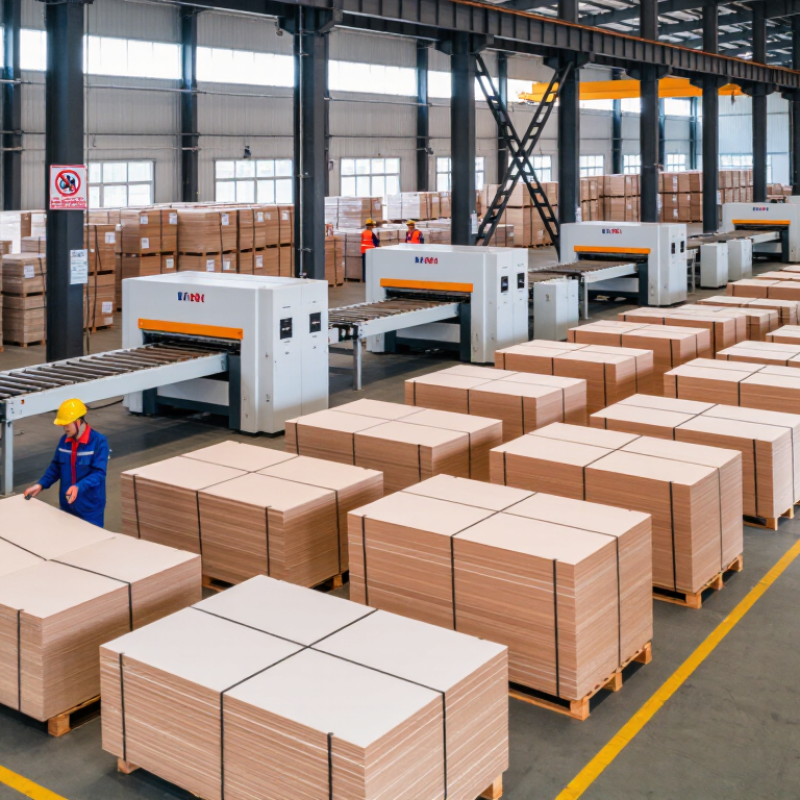
Experienced suppliers document each production stage, from birch veneer grading to final panel packing. Inspectors should check core alignment, surface repairs, thickness tolerance, and moisture content. A practical factory keeps inspection records for every batch, not only selected samples.
Quality control should include bonding tests, visual grading, sanding checks, and formaldehyde testing when required.
Certifications may include FSC chain-of-custody documents, ISO quality systems, or laboratory reports. However, certificates need verification. Check the issuing body, certificate number, validity period, and covered products. A document with the wrong panel grade is not useful.
Export compliance also depends on accurate commercial invoices, packing lists, shipping marks, and country-of-origin information.
Suppliers should confirm pallet treatment requirements and provide heat-treatment records when applicable. Packaging matters. Strong corner protection, waterproof wrapping, and clear bundle labels reduce damage during long sea transport.
Still, no supplier is flawless. A small veneer color variation may pass factory standards but disappoint a furniture maker. Buyers should approve reference samples, define acceptance limits, and arrange pre-shipment inspections. Requirements can change, so importers must verify current destination rules before loading.