Blog

7 Tips for Choosing Birch Plywood 4x8 Sheets?

Choosing a birch plywood 4x8 sheet seems simple until you inspect the edges, faces, and grade stamp. One sheet may suit painted cabinet sides; another may be better for shelving or shop fixtures. The difference is not just appearance. Veneer quality, core construction, thickness, and bonding classification all affect performance.

Industry references offer a useful starting point. APA—The Engineered Wood Association’s panel guidance explains how grades, bond classifications, and intended exposure relate to panel selection. The USDA Forest Products Laboratory’s Wood Handbook describes wood’s response to moisture, a practical concern when sheets move between a warehouse, workshop, and finished room. FAO’s forest-product statistics also track plywood and other wood-based panels as distinct product categories, helping buyers understand the wider market without confusing production data with product quality.

Robert H. Falk, a wood-composites specialist associated with the USDA Forest Products Laboratory’s Wood Handbook, discusses how panel construction and properties relate to end use. A careful paraphrase of that guidance is: “Match panel properties to the conditions the panel will face.” Not a grading shortcut. A reminder to check the actual sheet. A crisp face veneer can hide core gaps, while a clean-looking edge may still need sealing. These seven tips will help you compare birch plywood 4x8 sheets by measurable details, ask better supplier questions, and avoid paying for features your project does not need. Some decisions still involve trade-offs; a lower price is not automatically a bargain.
7 Tips for Choosing Birch Plywood 4x8 Sheets?

Define the Project’s Size, Load, and Finish Requirements

A 4x8 birch plywood sheet measures 4 feet by 8 feet, but that does not mean it suits every project. Sketch the finished parts and mark their dimensions before buying. A cabinet side, tabletop, and narrow shelf create different cutting plans. Leave room for saw kerfs and edge trimming; otherwise, a tight layout can waste material. Also consider how the sheet will travel through doorways and fit on your workbench.

Tip: Match thickness and support to the expected load. A long shelf carrying books needs closer support than a small drawer bottom. Check the panel’s construction and stated grade, too. “Birch” may describe the face veneer, not every layer inside. If the load is substantial or safety-critical, consult reliable span guidance rather than guessing. I sometimes find the first sketch looks efficient, then a practical cut makes it less so.

Choose the finish based on where the panel will be used and how it will be seen. Clear coatings can highlight the birch grain, while paint requires careful surface preparation and compatible products. Inspect both faces for patches, sanding marks, and color variation. Ask how the panel will look under your actual lighting. A small offcut test helps, though it will not perfectly predict every sheet. Decide which face will remain visible before planning your cuts.
Birch Plywood 4×8 Sheets: Estimate Sheets by Project Area

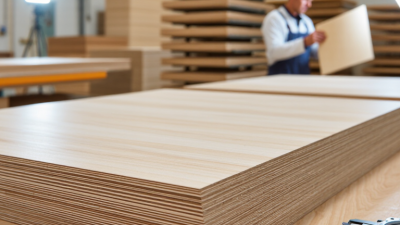
A nominal 4×8-foot sheet covers 32 square feet. These illustrative project-area examples show the minimum sheet count by area alone, rounded up to whole sheets. Actual needs may be higher due to cutting layout, defects, and waste. Choose plywood thickness to suit the project’s load and support spacing, and select a face grade or finish suited to its appearance and exposure.

Compare Birch Plywood Grades and Core Construction

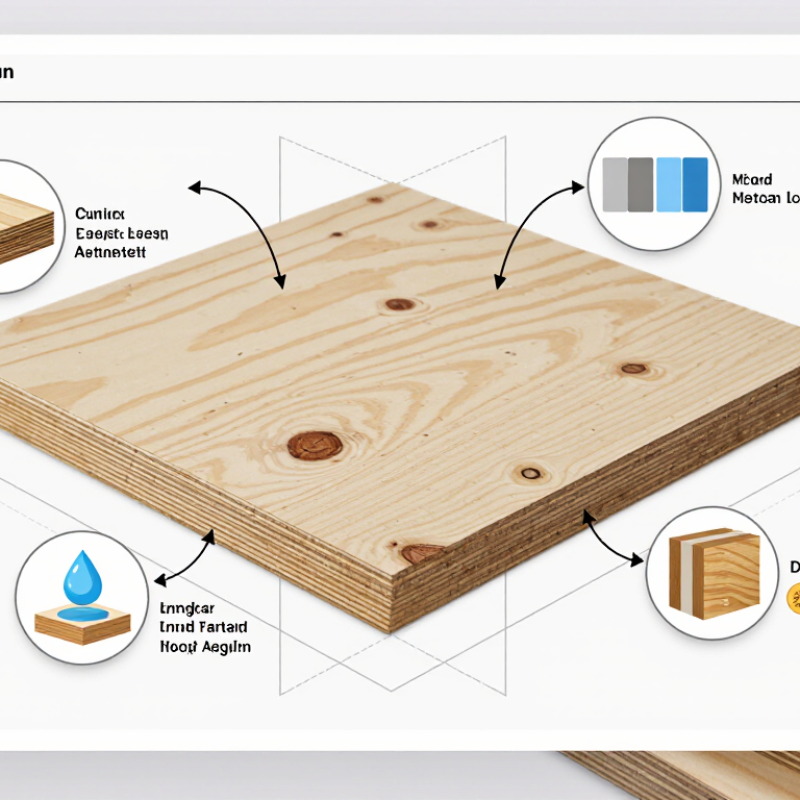
Birch plywood grades describe surface quality, not the whole panel. Face grades vary by supplier and standard, so check the written grading description. A higher face grade usually means fewer visible patches and defects; it does not guarantee a void-free core. For painted cabinets, a smooth face matters. For shop jigs, core consistency may matter more.

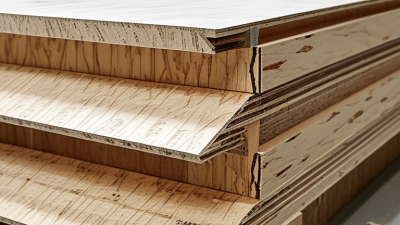
Look at the edge of each 4x8 sheet. Veneer-core panels are relatively light, and their layered plies can hold screws well near the edge. However, internal gaps may appear when cut. MDF or particleboard cores provide a flatter surface, but are heavier and may hold edge screws less reliably. Combination cores balance these traits. Ask for a cut sample when the edge will remain visible. A grade label alone is not enough.

Moisture also affects fit. The USDA Forest Products Laboratory’s Wood Handbook reports equilibrium moisture content near 12% at 70°F and 65% relative humidity. Store panels flat in the room where they will be used, then recheck dimensions before cutting. Small changes can matter. Inspect both faces and the edges; repairs hidden in a stack may show after finishing. One limitation: appearance grades do not tell you a panel’s structural rating, so verify the stated rating for load-bearing use.

Choose the Right Thickness and Sheet Configuration

For a 4x8 birch plywood sheet, choose thickness by how it will be supported, not by appearance alone. Shelves spanning 24 inches may sag when loaded, while a shorter, well-supported panel can often use less material. APA’s Panel Design Specification links structural panel performance to thickness, span rating, and installation direction. Check the sheet’s grade stamp and confirm the rating suits your support spacing. A smooth face does not automatically mean a strong core.

Tips: Measure the actual sheet thickness with calipers; nominal labels can be misleading. Check whether the face veneer runs along the 8-foot edge, especially for visible cabinet sides. For wide shelves, consider a thicker panel or add a stiffening edge. Small details matter.

Also match the sheet configuration to the job: sanded faces for visible work, and suitable core construction for screws or repeated handling. Moisture deserves attention, too. The USDA Forest Products Laboratory’s Wood Handbook reports about 6.2% equilibrium moisture content for wood at 70°F and 30% relative humidity. Plywood’s cross-laminated veneers reduce movement, but do not eliminate it. I would acclimate sheets near the installation space and recheck flatness before cutting; that extra wait can feel fussy, but skipping it sometimes means a stubborn panel.

7 Tips for Choosing Birch Plywood 4x8 Sheets? - Choose the Right Thickness and Sheet Configuration

# Selection Tip What to Check Practical Guidance
1 Confirm the sheet size A nominal 4 × 8 ft sheet is 48 × 96 in (about 1,219 × 2,438 mm) and covers 32 sq ft before cutting. Check the product’s listed dimensions and measure the sheet if exact fit matters. Actual dimensions and available sizes can vary by product and supplier.
2 Choose thickness for the job Common listed thicknesses include 1/8, 1/4, 1/2, and 3/4 in, though availability depends on the product. Use the thickness required by your design, hardware, and support spacing. For load-bearing or structural use, follow the project specifications and applicable building requirements rather than choosing by appearance alone.
3 Verify nominal versus actual thickness The stated thickness may be nominal; finished thickness can differ because of manufacturing tolerances, sanding, and product specifications. If the sheet must fit a groove, recess, or adjoining panel, check the manufacturer’s actual-thickness information or measure a sample before ordering the full quantity.
4 Inspect face grade and veneer Face grades describe appearance, but grading terms and available options can differ among product standards and suppliers. Look for listed defects, repairs, and sanding details. For visible surfaces, inspect both faces under good light and confirm which face is intended to show. For painted work, check that the surface is suitable for the finish you plan to use.
5 Check the core and edge quality Plywood cores may use different veneer or composite constructions. Look for voids, gaps, delamination, and uneven edges where the core is exposed. For routed edges, shelving, or joinery, ask about core construction and inspect a cut edge or sample. A smooth face does not by itself confirm a void-free core.
6 Match the panel to its environment Check the panel’s stated exposure or bond classification and any applicable emissions information. Interior-grade panels are not automatically suitable for prolonged moisture exposure. Choose a panel rated for the intended conditions, and protect cut edges where the project requires it. Exterior-rated plywood is not necessarily waterproof or intended for permanent immersion.
7 Plan the sheet configuration and cuts Confirm whether you need full 4 × 8 ft sheets or supplier-cut panels. Cutting changes finished dimensions, and saw kerf removes material. Make a cut list before purchase, account for blade kerf and trimming, and ask whether cut-to-size service is available. Allow extra material for defects, grain matching, or mistakes when appropriate.

Buying reminder: Product dimensions, grades, core construction, and ratings vary. Confirm the specific sheet’s label and technical details before purchase, especially when precise thickness or performance is required.

Inspect Veneer Quality, Flatness, and Visible Defects

A clean-looking face is only part of a good birch plywood sheet. Under angled light, inspect the veneer for sanding scratches, raised grain, open splits, and patches that stand out. Small color shifts are common in natural wood. Large glue marks or loose veneer deserve closer attention. Run your hand lightly across the surface; rough spots may need extra sanding before finishing.

Check the 4x8 sheet on a flat floor or support it across several points. Look along its length and width for bowing, twisting, or corners that lift. A slight curve can sometimes come from storage, but it may complicate cabinet doors or long panels. I would not judge flatness from one glance alone. Rotate the sheet and check again.

Inspect the exposed edges, too. Gaps between veneer layers can suggest internal voids, while chipped edges may indicate rough handling. Not every edge flaw affects the finished project, especially if it will be hidden. Still, note defects before cutting. I once focused too much on the face and missed a shallow edge gap; it changed where I placed the first cut. Ask how the sheet was stored if several panels show similar warping.

Verify Certifications, Pricing, and Supplier Storage Conditions

When comparing birch plywood 4x8 sheets, ask for certificates tied to the exact panel, not just a general product brochure. Check the issuing organization, covered thicknesses, and expiration date. Confirm that any emissions, sourcing, or performance claim matches your project’s needs. Ask for proof. A certificate for a different product may look reassuring but tell you little about the sheets being delivered.

Compare prices on equal terms: grade, thickness, core construction, sheet count, and delivery charges. A low quote may exclude freight or describe a different face grade. Request a written breakdown and inspect a sample for patches, sanding marks, and visible core gaps. Price comparisons can look precise while hiding small differences. I would pause before choosing on price alone.

Ask how the supplier stores the panels. Sheets should lie flat on level supports, stay dry, and remain protected from direct contact with concrete. Look for swollen edges, bowing, or musty odors during inspection. Look closely. If storage conditions seem poor, ask how long the sheets have been there and whether they can be checked before loading. No single check catches everything, but a quick warehouse visit can reveal problems a quotation cannot.