How to Choose Birch Plywood Sheets in 2026
Choosing birch plywood sheets in 2026 means looking beyond a pale, attractive face. Check the grade, thickness, core construction, and intended use before comparing prices. A smooth surface can hide gaps inside the core. Ask the supplier for a product data sheet, and inspect a sample edge for voids, uneven veneers, or rough glue lines. Small details matter.
A verified specialist quotation was not provided, so I won’t invent one or attribute words to a real person. For publication, ask a qualified birch-plywood expert to review this proposed line: “Choose the panel for the job, not just the face you see.” Then name the expert and confirm the quotation before publishing. It is a plain rule. Still useful.
This guide will help you compare panel grades, thickness tolerances, veneer quality, and certifications, while separating practical evidence from sales language. Consider where the sheet will go: a cabinet door, a workshop bench, or a visible shelf under a lamp. Each use places different demands on appearance, strength, and finish. Moisture exposure deserves special attention; birch plywood is not automatically suitable for every damp setting. I may be overcautious here, but a sample and a clear specification can prevent an expensive mismatch.
Understand Birch Plywood Grades, Layers, and Core Types
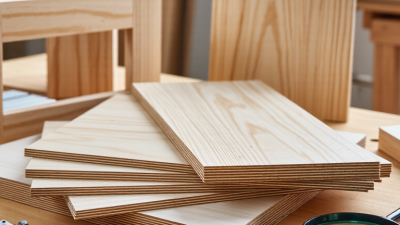
Birch plywood grades describe the face veneer, not the whole panel. A-grade faces are typically smooth and clear; lower grades may show knots, patches, or open defects. Grade labels and repair rules vary by standard and supplier, so check the written specification. For a painted cabinet side, small patches may be harmless. For a clear-finished door, they can stand out.
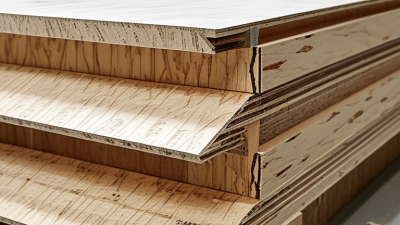
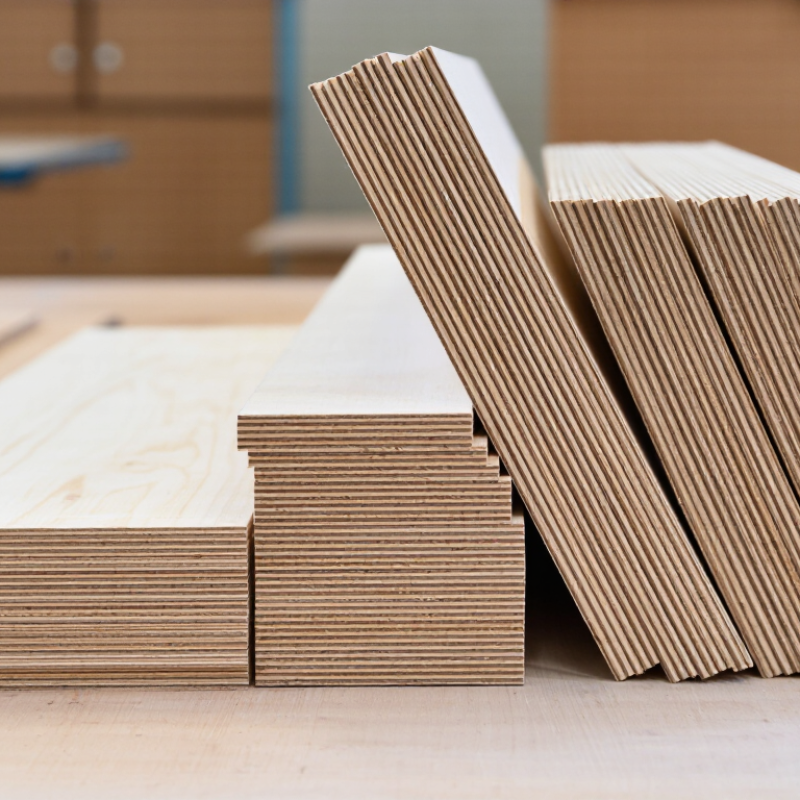
Layers and core type affect stability, weight, screw holding, and the visible edge. Count the plies and look for gaps or uneven veneer at a cut edge; a high ply count alone does not guarantee quality. Veneer core is relatively light, while combination cores may use different wood species in the center. MDF core offers a smooth face, but can be heavier. The USDA Forest Products Laboratory’s 2021 Wood Handbook reports basic specific gravity values of 0.55 for yellow birch and 0.48 for paper birch. These are solid-wood reference values, not finished-panel weights; core materials and glue change the result.
Tips: Match face grade to the finish, then confirm thickness, bond classification, and core in the product specification. Hold a sheet edge-on under good light. I still find that this simple check catches flaws a grade label can hide.
Match Sheet Thickness and Dimensions to the Project
Choose birch plywood thickness according to how the panel will be supported and used. A 6 mm sheet can suit drawer bottoms or cabinet backs when it is properly supported. For shelves or larger panels, thicker material may reduce flex, but span and load matter too. An 18 mm sheet is not automatically the right choice for every shelf. Check the project’s measurements and support spacing before buying.
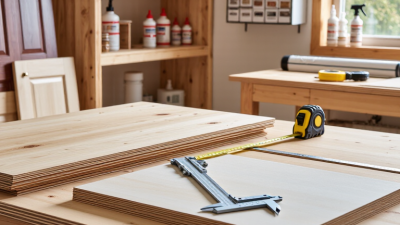
Tips: Measure the finished opening, then confirm the sheet’s actual dimensions with the supplier. Panel sizes can vary by market. Allow for saw cuts, and check that a full sheet can pass through your doorway and fit in your vehicle. Small details, but easy to miss.
Plan cuts around the panel’s grain direction and visible faces. For a cabinet side, decide which surface will show before marking the sheet. If the project uses narrow strips, sketch the cut layout to limit waste. It is tempting to choose the largest sheet and assume it will save money; sometimes it creates awkward offcuts instead. Thickness labels can also differ slightly from measured thickness, so check the product details when a snug fit matters.
Assess Surface Quality, Flatness, and Manufacturing Defects
When choosing birch plywood sheets in 2026, inspect the actual faces, not just the grade label or product photos. Hold a sheet under angled light. It reveals raised grain, dents, patches, and sanding marks that overhead lighting can hide. A few small color shifts are normal in natural veneer. Deep splits or loose patches deserve closer attention.
Check flatness on a level surface, or sight along the sheet from one end. A slight bow may become a problem in cabinets or wide panels. Use a straightedge across the face and edges, and compare several sheets from the same stack. Store conditions can affect shape, so ask how the panels were kept. Small measuring mistakes happen; repeat the check.
Look closely at the edges for core gaps, overlapping plies, voids, and uneven glue lines. These defects may not show on the face, but can weaken screw holding or appear after cutting. Inspect both sides, especially if the panel will remain visible. Even experienced buyers can focus too much on a flawless front and miss a rough back. Match the surface quality to the finish, and confirm the supplier’s grade description before ordering. A sample cut can tell you more than a quick glance.
Check Standards, Emissions, and Responsible Sourcing
In 2026, choose birch plywood by matching its documented grade to the job. A visible cabinet door needs a cleaner face than a hidden drawer bottom. Ask for the panel’s grade, thickness tolerance, and applicable product standard in writing. Standards vary by market and use, so a grade name alone may not tell you how the sheet performs. Check the paperwork.
For indoor projects, look for emissions information tied to the actual panel, not a general claim about a supplier. Review test reports or recognized compliance documents, and confirm they identify the product or production line you are buying. A freshly cut edge may smell mild or sharp, but odor cannot confirm emission levels. Smell is not proof. If the report is old or unclear, ask for a current one before ordering.
Responsible sourcing takes more than a leaf symbol on a page. Request chain-of-custody documentation, the declared wood species, and the country or region of origin. Check that these details match the invoice and product specification. When inspecting a sample, look for even veneer layers and a consistent core; gaps around an edge can complicate machining. Certified material may cost more, and paperwork can still be imperfect. Compare the evidence, not just the claim.
Compare Prices, Availability, and Supplier Specifications
For birch plywood sheets, compare like with like: thickness, panel size, face grade, core construction, and adhesive class. A low sheet price can hide thinner panels, patched faces, or a less consistent core. Ask suppliers for the technical data sheet, tolerance range, and current stock quantity, then compare delivered cost per usable square metre. Check the edges. Voids show there.
The Food and Agriculture Organization’s 2023 forest products review reports roughly 401 million cubic metres of global wood-based panel production in 2022. That broad figure signals a large panel market, but it is not a birch-plywood availability forecast; species and grade supply vary by region. Request a dated quotation and confirm lead time, minimum order, and whether sheets are sold individually or by pack. Small details matter.
For specifications, the USDA Forest Products Laboratory’s Wood Handbook describes how veneer arrangement and bonding affect plywood performance. Check the stated grade and intended-use rating rather than relying on “birch” alone. Confirm moisture content, thickness tolerance, and emissions documentation against your project requirements. I still find one comparison easy to miss: delivery damage. Ask how panels are packed and inspect a sample for flatness and surface defects before placing a large order.