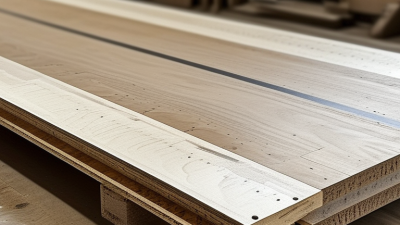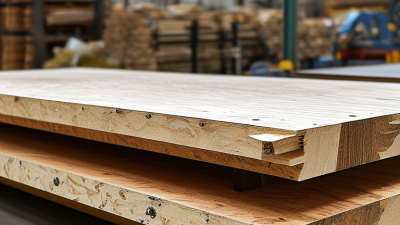
Ordering plywood online sounds simple until a 2440 mm sheet arrives with the wrong grain direction or an unexpected edge.
This guide explains how to order ply cut to size with fewer surprises. You will learn how to choose plywood grade, thickness, sheet dimensions, cutting tolerances, and edge treatments. Clear measurements matter. So does the final application. Cabinet doors, shelving, furniture parts, and wall panels may require different specifications. A moisture-resistant board is not automatically suitable for exterior exposure. That assumption can become expensive.
Paul Sellers, a respected woodworking educator, captures the discipline behind ply cut to size: “Measure twice, cut once.” His advice remains practical when ordering online. Before submitting a cutting list, check every length, width, quantity, and visible face. Mark the grain direction clearly. Add a simple sketch when several parts must fit together. Small details help.
The process also involves checking the supplier’s tolerance policy, packaging method, delivery access, and return conditions. Ask whether measurements refer to finished dimensions or cutting dimensions. Confirm whether saw-blade kerf affects the final size. It often does. Not every online calculator explains this clearly.
A careful order reduces waste, but it cannot remove every risk. Wood can move slightly with humidity. Some surfaces may need sanding after delivery. I have found that the “perfect” cutting list sometimes needs one more review. That pause is useful. This article will help you make that review faster, clearer, and more reliable.

Before ordering cut-to-size plywood online, define the panel’s actual job. Record length, width, thickness, quantity, edge visibility, and installation location. Note whether the panel will support weight, receive paint, or remain exposed. ANSI/HPVA HP-1 classifies hardwood and decorative plywood by face grades, including N, A, B, C, and D. Higher grades usually provide cleaner faces and fewer visible repairs. They are not automatically stronger.
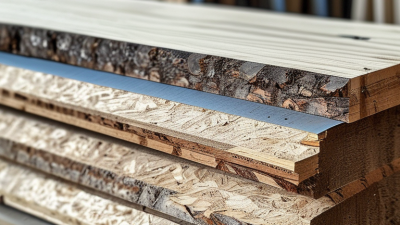
Choose the grade according to appearance and service conditions. A cabinet door may justify an A-grade face, while a concealed partition may only need a lower appearance grade. Check the core construction too. Voids, uneven layers, or weak edges can affect screw holding and cut quality. Ask the seller to confirm the standard edition, thickness tolerance, and cutting tolerance before payment.
Moisture deserves attention. The USDA Forest Products Laboratory Wood Handbook, FPL-GTR-282, reports wood equilibrium moisture content near 6% at 30% relative humidity and about 15% at 80%. That difference can influence panel movement indoors. Store panels flat, supported, and acclimated before cutting or assembly. Measure twice. I still allow a small fitting margin, because online cut lists can expose mistakes only after delivery. The ANSI/HPVA HP-1 specification should guide grade selection, but the project drawings must control final dimensions.

Ordering plywood online becomes easier when you understand sheet dimensions before choosing a cutting list.
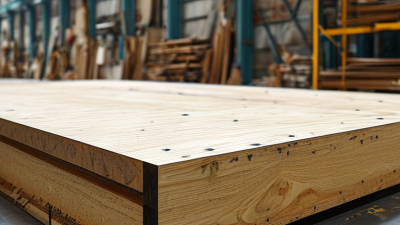
The standard 1,220 × 2,440 mm panel remains a practical reference for many interior and workshop projects. It offers a broad working surface, but it may not fit every vehicle, doorway, lift, or cutting table. Measure those routes first. Available sizes can vary by thickness, grade, core construction, and intended use. A 9 mm panel may have different dimensions from an 18 mm structural sheet.
When reviewing an online cutting service, check the full size table rather than relying on a product image. Look for nominal and actual measurements, because small differences can affect cabinet joints and edge alignment. Confirm the minimum and maximum cut sizes, cutting tolerance, kerf allowance, and whether the service accepts a cutting diagram. A simple sketch with finished dimensions reduces mistakes. Leave enough material for sanding and final fitting when accuracy is not fully guaranteed. That part is easy to forget.
Experienced users also inspect the panel’s surface, flatness, moisture resistance, and edge condition before ordering. Ask how the sheet is supported during cutting, especially for narrow strips or delicate veneers. Request spare pieces only when useful; extra offcuts can increase cost. I would not assume every listed size is always available. Stock changes, and an attractive option may disappear after checkout. Recheck the dimensions, thickness, quantity, and delivery access before payment. Small errors become expensive quickly.
How to Order Plywood Cut to Size Online?
Enter Cut Dimensions and Allow a Typical 3.2 mm Saw-Kerf Margin
Ordering plywood online becomes easier when each finished panel has a clear cutting specification. Measure the cabinet opening, shelf, or worktop twice. Then record length, width, thickness, quantity, and grain direction. Keep finished dimensions separate from raw-sheet dimensions.
A saw blade removes material during every cut. This removed strip is called the kerf. A typical plywood saw may create a kerf near 3.2 mm, but the exact width depends on the blade and cutting equipment. Treat 3.2 mm as a planning allowance, not an absolute guarantee. Several cuts can consume noticeable material. For example, four crosscuts may use approximately 12.8 mm of sheet length.
Do not casually add 3.2 mm to every finished panel. If you need a panel measuring 600 × 400 mm, enter those as the required final dimensions. The cutting service should plan the layout and account for kerf between pieces. When planning from a full sheet yourself, include the kerf between each adjoining cut. I once ignored this detail on a small shelving project. The last strip became too narrow, and the mistake was avoidable.
Allow a small tolerance for trimming and measurement variation. Ask whether dimensions are guaranteed or approximate. Confirm edge quality, grain orientation, and which face should remain visible. A simple cut list reduces misunderstandings. Include labels such as “Panel A, 600 × 400 mm, grain along 600 mm.”
Ordering plywood online becomes easier when the cutting details are treated like a workshop drawing.
Grain direction deserves attention. I once received panels with the correct length and width, but the face grain ran across the cabinet doors. The pieces looked awkward after assembly. Mark the visible face and specify whether the grain should follow the longest edge. Check the product description carefully, because “grain direction” may describe the face veneer, not every internal layer.
Edge finish also changes the final result. Raw edges work for hidden shelves, while sanded edges need less preparation before painting. Exposed furniture edges may require a cleaner finish or an added solid-wood strip. Ask how much material the saw removes. Confirm all measurements and units. Do not assume.
Quantity requires practical planning. Order the exact number of panels, then consider one extra piece for mistakes, damaged corners, or a wrong measurement. I have misread a drawing before, and the spare panel prevented a full delay. Cutting tolerances matter too. A listed tolerance of plus or minus 1/16 inch can affect tight drawers and fitted doors. Request the supplier’s stated tolerance before paying. Leave enough clearance for expansion, hardware, and final sanding. Small errors become obvious around hinges. Review the cut list twice, especially when several pieces share similar dimensions.
How to Order Plywood Cut to Size Online?
Online plywood purchasing is expanding. The U.S. Census Bureau reported that U.S. e-commerce sales reached $1,192.6 billion in 2024, representing 16.1% of total retail sales. That growth makes digital ordering convenient, but accuracy still depends on careful confirmation.
Start by checking the digital proof line by line. Confirm the plywood grade, thickness, length, width, grain direction, edge treatment, and cut tolerance. A drawing showing 600 × 1,200 millimeters can prevent costly confusion. Request the cutting layout if several pieces use one sheet. Look for the correct measurement units. Small errors hide easily on a phone screen. I would still recheck it.
The USDA Forest Products Laboratory’s Wood Handbook identifies moisture as a major factor in wood movement. Therefore, confirm how the panels will be wrapped and protected during transport. Select delivery based on the order’s size and site conditions. Ask whether the shipment arrives by parcel service, pallet freight, or scheduled truck. Confirm liftgate access, unloading space, appointment requirements, and damage-reporting procedures. The final order should repeat every approved detail, including quantity, delivery address, contact number, taxes, lead time, and replacement terms. Do not rely on a verbal promise. A saved proof and written order record offer stronger protection. Mistakes can still happen, especially with unusual cuts, so allow time for one practical review before payment.

Signup our newsletter to get update information, promotion or insight.