Plywood Cut to Size Tips for Global Buyers to Save Costs
In today's competitive market, "plywood cut to size" has become a crucial service for global buyers. The plywood industry is witnessing significant growth, with the market projected to reach over $100 billion by 2027, according to a recent report from ResearchAndMarkets. As demand increases, so do opportunities for cost savings. Customized plywood cuts cater to specific project needs while minimizing waste.
Industry data indicates that using precise cuts can reduce material costs by up to 20%. However, not all suppliers offer this service effectively. Ensuring quality while maintaining lower costs requires careful selection of suppliers. Buyers must examine factors like production capabilities and past client experiences. Misjudging these aspects can lead to compromises in quality or delivery delays.
Navigating this landscape involves more than just cost considerations; reliability and expertise are key. Engaging with suppliers who understand market trends and can deliver quality "plywood cut to size" is essential. This helps prevent challenges that can arise from inadequate measurement or poor cutting techniques. Ultimately, strategic choices can enhance project success and cost efficiency.
Understanding Plywood Types and Their Cost Implications
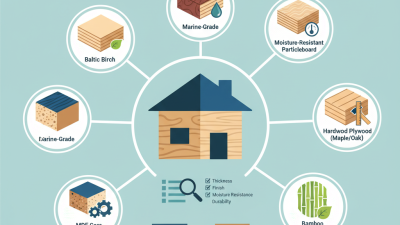
Understanding plywood types is essential for cost-effective purchases. Plywood is categorized mainly into softwood and hardwood.
Softwood plywood, like pine, is lighter and typically less expensive. It's ideal for construction projects where weight matters.
Hardwood plywood, such as oak or birch, offers durability but comes at a premium. Choose wisely based on your project’s needs.
Tips for buyers: Know your requirements before purchasing. Always consider the grade of plywood.
Higher-grade plywood may seem expensive but offers better finishes and longevity.
Another tip is to purchase in bulk, as it can lead to significant savings over time. Be mindful of local suppliers; they may provide competitive pricing.
Plywood thickness also affects cost. Thicker sheets are pricier but provide strength.
Analyze if your project benefits from extra durability or if standard sizes suffice. These considerations can lead to more informed decisions and help avoid unnecessary expenses.
Quality doesn’t always mean high cost. Prioritize the right type and thickness to align with your budget.
How to Measure and Specify Plywood Dimensions Accurately
Measuring and specifying plywood dimensions accurately is crucial for avoiding waste and ensuring efficiency in your projects. Begin by gathering the right tools. A reliable tape measure and a square can help you achieve precise measurements. When measuring, always account for the thickness of the blade if you're cutting the plywood yourself. A slight oversight can lead to costly errors.
Consider the project requirements carefully. If the plywood will be used for furniture, account for any allowances needed for connectors or finishes. Sketching your dimensions on paper can provide a clear visual reference. Include notes on grain direction and any specific adjustments needed for fitting. Be aware that even a small discrepancy can impact the final result.
Communication with suppliers is vital. Clearly specify the dimensions in inches or millimeters to avoid any confusion. Misunderstandings can often lead to delays and increased costs. A recent experience showed that providing exact instructions reduced lead times significantly. However, ensure you double-check every detail before placing your order to minimize mistakes.
Evaluating Suppliers: Quality vs. Price in Plywood Sourcing
When sourcing plywood, the balance between quality and price is critical. Buyers must assess suppliers carefully. Low prices often signal inferior materials, which may lead to additional costs down the line. On the other hand, high prices do not always guarantee superior quality. Conducting thorough research is essential.
One effective method is to request samples before placing large orders. This allows for a tangible evaluation of both the craftsmanship and material integrity. Additionally, consider the supplier's reputation and their track record in the industry. Reading customer reviews can provide insight into their reliability. An effective supplier will not only offer competitive pricing but also prioritize quality and customer service.
However, navigating this landscape can be challenging. Communication barriers may cloud expectations about quality. Some suppliers might undervalue specific specs that are crucial for your projects. Reflect on past experiences to identify patterns where quality was compromised for a lower cost. Always remain vigilant and question the balance of quality and price before finalizing any deals.
Plywood Sourcing: Quality vs. Price Analysis
Strategies for Bulk Ordering to Reduce Plywood Costs
When considering bulk ordering plywood, buyers can significantly reduce costs. The Global Plywood Market Report 2023 indicates that bulk purchases can result in savings of up to 25%. This saving stems from reduced shipping costs and economies of scale. Ordering larger quantities often leads to better pricing structures and discounts from suppliers.
To optimize the ordering process, maintaining clear communication with manufacturers is crucial. Buyers should ask for detailed quotes that outline volume pricing tiers. According to industry experts, understanding the specifications needed—such as thickness and finish—can help ensure the right product is ordered while minimizing waste.
Additionally, timing can impact costs. Trends in the plywood market show that prices fluctuate based on season and demand. Planning orders during off-peak times can yield even greater savings. While bulk ordering offers many benefits, it’s important to assess storage capabilities. Overcommitting can lead to unexpected overhead costs if the inventory is not managed effectively.
Plywood Cut to Size Tips for Global Buyers to Save Costs - Strategies for Bulk Ordering to Reduce Plywood Costs
| Country |
Average Cost per Sheet (USD) |
Standard Sizes Available (mm) |
Bulk Order Discount (%) |
Lead Time (Days) |
| USA |
$30 - $50 |
1220 x 2440 |
10% |
7 |
| Germany |
€25 - €45 |
1250 x 2500 |
15% |
10 |
| China |
¥150 - ¥300 |
1220 x 2440 |
20% |
14 |
| Canada |
$35 - $55 |
1219 x 2438 |
5% |
8 |
| Australia |
AUD 40 - AUD 70 |
1200 x 2400 |
12% |
12 |
Shipping Considerations for Cost-Effective Plywood Delivery
When considering plywood delivery, shipping costs can significantly impact your overall expenses. Understanding the logistics involved is essential for global buyers aiming to optimize their budgets. Factors such as weight, size, and destination affect shipping fees. It’s vital to negotiate shipping terms with suppliers to find the best rates. Using consolidated shipments can also help minimize costs.
Here are some tips to consider for cost-effective plywood shipping:
- Optimize the size of your plywood cuts. Larger sheets often incur additional shipping costs.
- Explore regional shipping options, as they may present lower rates than international logistics.
- Ensure your plywood is properly packaged to avoid damages during transit. This can save you money on replacements.
Reflecting on these considerations can lead to more informed shipping strategies. It's easy to overlook small details that could impact your bottom line. Always be mindful of import duties and taxes in your destination country. Researching these factors in advance can prevent unexpected expenses later on. Think critically about your shipping needs to ensure efficiency and cost-effectiveness.