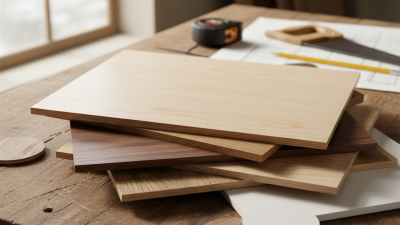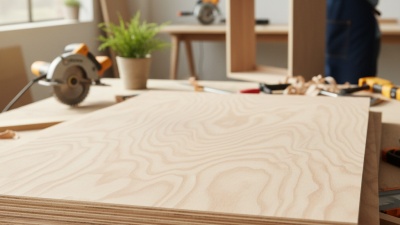
The best half inch plywood in 2026 depends on what the sheet must do, where it will be used, and how it will be finished. A clean, smooth panel may suit painted cabinetry, while a sturdier, well-bonded sheet may be better for shelving or workshop projects. The label alone does not tell the whole story. Compare the panel grade, core construction, face veneer, and stated adhesive rating before choosing.
Small details matter. A cabinet side needs a reasonably flat face; a utility shelf may tolerate visible patches but needs dependable support. “Half inch” is often a nominal size, so check the listed thickness against your project’s grooves, hinges, or hardware. That detail can save rework. Also, an exterior-rated panel is not automatically waterproof, and exposed edges may still need sealing. Product descriptions can sound reassuring; the specification sheet is more useful.
This guide looks at how common half inch plywood options compare for strength, surface quality, moisture exposure, and value. It also explains what to check at the lumberyard, including warped corners, open voids, and uneven faces. No single panel wins every job. Some trade-offs are easy to miss, and even careful selection cannot replace sound design and proper installation. By matching the sheet to the task, you can avoid paying for features you do not need—or choosing a panel that disappoints after the first cut.
Half-inch plywood is a nominal size, not always the sheet’s exact measured thickness. It is made by bonding thin wood veneers, usually with neighboring layers’ grain directions turned across one another. This cross-laminated structure helps panels resist movement, though it does not make every sheet equally stiff or durable. The USDA Forest Products Laboratory describes plywood construction and wood-product properties in its Wood Handbook (FPL-GTR-282, 2021).
Check the edge, not the label alone. Many U.S. structural panels sold as half-inch plywood measure 15/32 inch, or about 11.9 millimeters, rather than a full 1/2 inch. APA’s Panel Design Specification, PS 1-19, sets manufacturing requirements for structural plywood; panel stamps also identify thickness and span rating. Use a caliper across the panel’s flat faces, away from a chipped or swollen edge. Small differences matter. A snug cabinet groove may reject a panel that fits easily elsewhere. Nominal thickness is a useful shortcut, but it is not a substitute for measuring the sheet you plan to use.
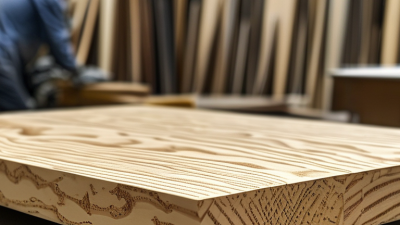
For half-inch plywood, start with the job, not the face veneer. A 15/32-inch panel is commonly sold as nominal 1/2 inch, so check actual thickness before fitting it into a tight groove. The USDA Forest Products Laboratory’s Wood Handbook (2021) describes plywood as layers of veneer, usually three or more, bonded with alternating grain directions. That cross-laminated construction helps limit movement across the panel. Still, it does not make every sheet equally stiff or moisture-resistant.
Grades describe face quality, not the whole panel. A-grade faces are smoother and suited to visible finishes; lower grades allow more knots and patches. For cabinets or painted furniture, sanded veneer-face plywood often gives a cleaner starting point. For hidden structural work, compare the panel’s span rating and exposure classification instead. APA’s Engineered Wood Construction Guide explains that span ratings identify recommended support spacing for rated panels. Check the panel stamp, not just the store label.
Core material changes weight, screw holding, and edge appearance. Veneer-core panels are relatively light and commonly used for cabinets, but internal gaps can show at cut edges. Composite cores offer a smoother surface for laminating, though they can be heavier and less tolerant of wet conditions. Marine-grade plywood uses selected veneers and stricter limits on core gaps; it is not automatically waterproof. The USDA handbook also notes that moisture affects wood’s dimensions and strength. A dry, sheltered installation still matters. The choice is rarely perfect: inspect a cut edge, and decide which compromise you can live with.
Choosing half-inch plywood starts with the job, not the shelf label. A panel sold as half-inch may measure 15/32 inch, so check its stamp and actual thickness before fitting it into a groove or hardware. APA’s Engineered Wood Construction Guide explains how panel ratings relate to intended use and support spacing. Match the panel’s rating to the framing layout; a roof, cabinet back, and floor have different demands. Small details matter. Check the face grade, veneer condition, and edge quality, too. Open voids can weaken screw holding and show through thin finishes.
Moisture deserves equal attention. The USDA Forest Products Laboratory’s Wood Handbook reports that wood equilibrates at about 8% moisture content around 70°F and 40% relative humidity. A damp garage or unsealed work area can shift that balance, causing panels to swell or edges to lift. For exposed or humid settings, verify the panel’s exposure classification rather than assuming all plywood tolerates wet conditions. Store sheets flat, supported, and off concrete; let them acclimate near the installation space. It is easy to overfocus on thickness. I would still check the whole panel, because a flat, dry sheet often matters as much as its nominal measurement.
Key factors include the panel’s actual thickness, grade, intended use, and exposure to moisture.
Thickness comparison: Half an inch is 12.7 mm. Some panels sold as half-inch plywood have an actual thickness of 15/32 inch (about 11.9 mm). Actual dimensions vary by product, so check the panel specification before buying—especially when thickness affects fit.
Choosing a panel: Match its grade and construction to the project, and select a panel rated for the moisture exposure it will face. For structural uses, follow the project’s requirements and local building code.
Half-inch plywood suits projects where weight and easy handling matter more than heavy-duty strength. For painted shelves, drawer bottoms, and simple storage boxes, sanded veneer-core panels offer a smooth face and are easy to cut. Check the panel for flatness before buying; even a slight bow can leave a shelf visibly uneven. The “half-inch” label may not equal its actual thickness.
For furniture and cabinet sides, choose a panel with consistent veneers and few surface defects. A smoother face reduces filling and sanding, though thin sheets can still flex across a wide opening. Add a center support for longer shelves, or confirm the panel’s span limits with a reliable supplier. That small extra step can prevent sagging later.
Projects exposed to occasional moisture need panels rated for the intended exposure, not just a surface that looks sealed. Exterior-rated plywood can tolerate damp conditions better, but it is not automatically waterproof. Seal cut edges, where water can soak in quickly. For a workbench skin or utility cabinet, a lower-cost construction panel may be sensible. It may have rough patches, though, and that can be annoying when a clean finish matters. Check the core at the edge for gaps before committing.
| Plywood Option | Best For | Typical Face Grade or Construction | Moisture Suitability | Key Advantages | Things to Check |
|---|---|---|---|---|---|
| AC Sanded Plywood | Painted shelving, built-ins, cabinet sides, and projects where one visible face matters | One smooth A-grade face and a lower-grade C face; core construction varies by product | Usually intended for interior use unless the panel is specifically rated for exterior exposure | Smooth face is convenient for finishing; the reverse side can be used where appearance is less important | Inspect the face and edges for patches, voids, and core gaps; confirm the exposure rating before using it where it may get wet |
| BC Sanded Plywood | Utility cabinets, work surfaces, shop fixtures, and projects needing two reasonably usable faces | B-grade face with a C-grade back; surface quality and core vary between panels | Depends on the panel’s bond and exposure rating; many sanded panels are for interior applications | Often offers a practical balance of appearance and cost for general-purpose construction | “BC” describes face grades, not a guarantee of waterproof glue or outdoor durability |
| Exterior-Rated Structural Plywood | Outdoor projects, roof or wall sheathing, and other construction uses specified for structural panels | Structural panel graded for its intended use; face appearance is generally secondary | Exterior-rated bond is designed to tolerate repeated wetting, but the panel is not automatically waterproof or rot-proof | Suitable where a structural panel and improved resistance to weather exposure are needed | Choose the grade and span rating required by the plans or local code; protect cut edges and apply a suitable finish where appropriate |
| CDX-Type Sheathing | Framing, subfloors, roof sheathing, and other concealed construction applications when specified | Typically C- and D-grade faces; “X” commonly indicates an exterior-type glue bond, not a finished exterior surface | May be rated for exposure during construction, but prolonged weather exposure can damage it | Designed for utility and structural applications rather than decorative appearance | Verify the panel’s actual grade, span rating, and exposure classification; do not treat “X” as meaning waterproof |
| Hardwood-Faced Plywood | Furniture, visible cabinet panels, drawer components, and interior decorative work | Decorative hardwood veneer face over a plywood core; face species and core quality vary | Most products are intended for interior use unless marked for a suitable moisture-resistant application | Provides a wood-grain appearance and can be stained or clear-finished according to the face veneer | Check veneer thickness, core quality, and whether both faces are suitable for the project; seal exposed edges when needed |
| Marine-Grade Plywood | Boatbuilding and demanding wet-service projects designed around an appropriate marine specification | Made with durable veneers and exterior-quality bonding; requirements depend on the applicable standard | Designed for wet conditions when correctly specified and maintained, but still requires suitable sealing and construction | Can offer fewer core defects and more reliable performance in moisture-exposed applications than ordinary interior panels | Confirm the governing standard, species, thickness, and certification; “marine” alone does not mean the panel needs no protective coating |
| Pressure-Treated Plywood | Projects requiring treated wood for specified exposure or pest-protection conditions | Plywood treated with a preservative; treatment, intended use, and available grades vary | Can be suitable for designated exposure conditions when the treatment label and project specifications match | Provides preservative treatment that untreated plywood does not have | Check the treatment label and use category; treatment does not replace structural grading, proper drainage, or code compliance |
| Half-Inch Nominal Panel | Any project where panel thickness must fit a design, groove, hinge, or connection | In the United States, many structural panels sold as 1/2 inch are actually 15/32 inch thick; other plywood products may differ | Thickness does not determine moisture suitability; check the panel’s grade and exposure marking | Available in multiple grades and constructions for different project needs | Measure the actual panel thickness before cutting joinery or ordering hardware; follow the product label and project specifications |
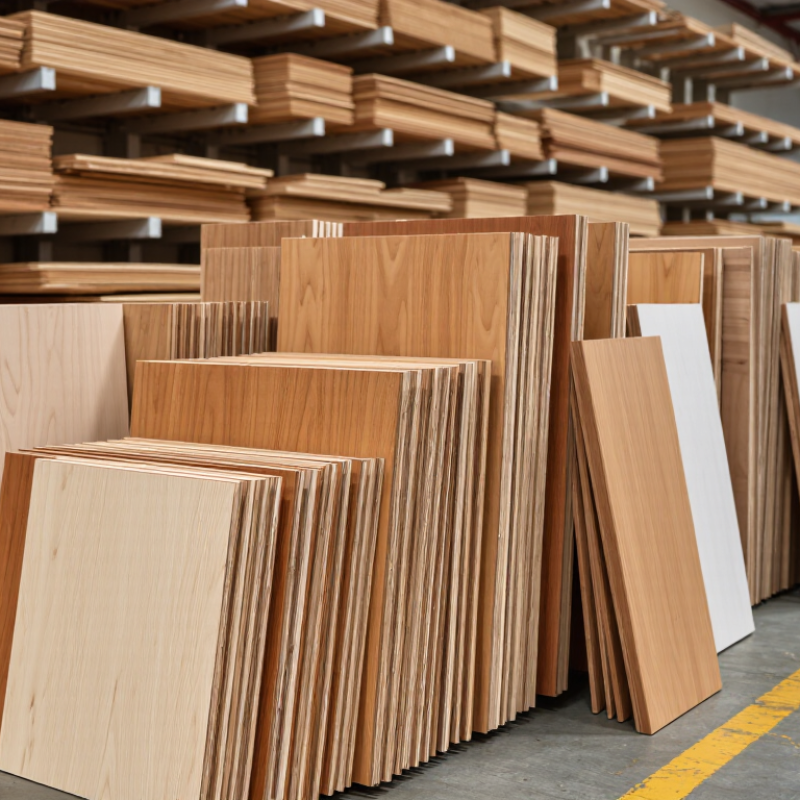
Half-inch plywood is often sold by nominal thickness, so do not assume every sheet measures exactly 1/2 inch. Bring a tape measure or caliper, and check several points along the edge. Look closely. Reject sheets with swollen plies, open gaps, or edges that separate when lightly pressed. A slight bow may flatten during installation, but severe twisting usually creates extra work.
Inspect both faces under good light. Scan for bubbles, patches, sanding dips, and stains, then decide whether the surface suits paint, clear finish, or hidden construction. Check the panel grade and any stated exposure rating against the project’s needs; labels can vary, so ask the supplier when details are unclear. For shelves or cabinets, examine the core edge for voids where screws may lose holding strength. I would not judge a sheet by its clean face alone. That is an easy mistake.
At purchase, choose sheets kept dry and supported, not leaning for long periods against a wall. Keep it flat. At home, store panels on level, evenly spaced supports, with a flat cover on top if stacking. Keep them off concrete and away from leaks, heaters, and direct sun. Let the plywood adjust to the room before cutting, especially when indoor humidity differs from the storage area. A few days is a practical starting point, not a guarantee; thick stacks may need longer. Check flatness again before layout.

Signup our newsletter to get update information, promotion or insight.