Blog

2026 Top Ply Cut to Size Suppliers for Global Buyers

Global buyers are entering 2026 with tighter expectations for plywood quality, delivery, and documentation. The phrase ply cut to size now covers more than panel cutting. It includes dimensional accuracy, edge quality, moisture control, packaging, and responsible sourcing. A supplier may offer attractive prices, yet fail on tolerances or repeatability.

The FAO Forestry Production and Trade database remains a useful reference for tracking global wood-panel production and trade flows. The FAO and UNECE Forest Products Annual Market Review also shows how construction demand, freight costs, housing activity, and regional supply affect panel markets. These reports do not identify the best supplier directly. They provide essential market context.

Quality still needs physical verification. A buyer should compare plywood species, veneer thickness, core structure, formaldehyde classification, surface grade, and cutting tolerance. Small details matter. A 2 mm mismatch can disrupt cabinet assembly or weaken a prefabricated wall system. Certifications such as FSC or PEFC may support responsible procurement, but buyers must verify certificate scope and validity.

This 2026 supplier overview focuses on manufacturers and processors serving international buyers. It considers production capacity, customization, export experience, inspection systems, lead times, packaging, and communication. Supplier rankings are never permanent. A company with excellent machinery may still struggle during peak seasons. Another may provide better service but lack stable capacity. That imperfection deserves attention. Buyers should request samples, recent test reports, packing photographs, and references before placing larger orders. A careful shortlist reduces risk and creates a clearer basis for long-term sourcing decisions.
2026 Top Ply Cut to Size Suppliers for Global Buyers

What Ply Cut to Size Means for Global Buyers

2026 Top Ply Cut to Size Suppliers for Global Buyers

What Ply Cut to Size Means for Global Buyers

Ply cut to size means plywood panels are cut to specified dimensions before shipment. Buyers provide length, width, thickness, quantity, and drawing details. The supplier then converts standard sheets into ready-to-use components. This can reduce onsite cutting, dust, labor, and material waste. It also creates a harder question: who controls dimensional accuracy?

FAO’s 2024 Global Forest Products Facts and Figures places global wood-based panel production above 390 million cubic metres in 2023. That scale shows strong supply capacity, but it does not guarantee consistent plywood quality. The FAO and UNECE Forest Products Annual Market Review also tracks changing panel prices, freight conditions, and regional demand. Global buyers should connect those market signals with practical checks.

Ask for cutting tolerances, moisture limits, core construction, surface grade, and packaging specifications. Small details matter.

A reliable order includes metric dimensions, acceptable tolerance ranges, and a clear inspection method. Nesting layouts can improve yield, but supplier estimates are not always perfect. I would request a cutting diagram before production.

Include photographs of pallet corners and protective wrapping. Check whether edges arrive clean, square, and free from crushing.

Certification claims also need document verification, not casual assurances.

The cheapest cut panel may become expensive after rejected parts, repacking, or delayed installation. That risk deserves a line in the purchasing calculation.

Key Standards for Evaluating International Ply Suppliers

Choosing a reliable ply cut-to-size supplier in 2026 requires more than comparing price lists. International buyers should verify product specifications, factory experience, and documented quality controls. Ask for core material, veneer grade, thickness tolerance, moisture range, bonding class, and surface finish. Clear answers matter.

Request recent laboratory reports, production samples, and batch traceability records. Test the sample after arrival, not only before shipment. Check panel thickness with a calibrated gauge, inspect edges for gaps, and measure cutting accuracy across several pieces. Packaging should protect corners from forklift damage and moisture during ocean transport. A professional supplier should also explain inspection procedures, replacement policies, and export documentation. Certifications can support trust, but they should match the actual product and current production site.

Tips: Compare identical specifications. Confirm tolerances in writing. Review the supplier’s response time and technical detail. Ask how rejected panels are handled. Small details reveal discipline. Do not rely on attractive photographs. They may hide uneven cores or weak edges. My own evaluation would include a trial order, although this adds cost and time. That inconvenience is often useful. It exposes packing weaknesses, inconsistent sizing, or unclear communication before a large contract. Buyers should also consider local building requirements, chemical restrictions, and import rules, since acceptance standards vary by destination. Suppliers that provide evidence instead of promises are easier to assess and safer to develop over time.

Top Ply Cut to Size Supplier Categories in 2026

Top Ply Cut to Size Supplier Categories in 2026

Category selection now matters more than a long supplier list. According to FAO’s Global Forest Products Facts and Figures 2023, global wood-based panel production approached 400 million cubic metres. This volume supports several distinct supplier categories for international buyers. Structural plywood suppliers focus on load-bearing panels, stable thickness, and documented strength grades. Decorative plywood suppliers prioritize face veneers, color matching, and clean edge finishing. Exterior and marine-grade suppliers emphasize moisture resistance, bonded layers, and controlled pressing conditions.

Another growing category includes CNC-ready cut-to-size suppliers. These companies combine panel production with digital cutting, drilling, labeling, and nesting services. Grand View Research’s 2024 plywood market assessment forecasts continued growth above 5% annually through the decade. That growth increases demand for precise components, not only full sheets. Buyers should request dimensional tolerance records, packing photographs, and sample corner joints. A 600-millimeter cabinet side can reveal more than a polished brochure.

Low-emission panel suppliers also deserve careful review. Buyers should compare formaldehyde documentation with recognized standards, including relevant EN or ASTM test methods. Moisture-resistant claims need supporting test results, not vague wording. I have found category boundaries imperfect: one supplier may offer excellent cutting but weak packaging control. Another may provide strong certification but inconsistent veneer matching. A practical audit should inspect three areas: material grade, machining accuracy, and shipment protection. Small details matter.

How to Compare Quality, Pricing, and Customization Options

Choosing a ply cut to size supplier requires more than comparing the lowest quotation. Inspect the core, face veneer, thickness, and edge quality. Ask for recent samples, not only catalog photographs. A reliable supplier should explain wood species, adhesive type, moisture resistance, and production tolerances. Check whether panels remain flat after cutting. Small errors matter.

Pricing should reflect the complete delivered cost. Compare sheet prices, cutting fees, packaging, inland transport, export handling, and possible replacement costs. Request a clear quotation with currency, minimum order quantity, lead time, and payment terms. A lower price may hide thinner panels or weaker packaging. I have found that corner protection and moisture barriers can prevent expensive damage during long transit.

Customization can include exact dimensions, CNC openings, drilling, edge treatment, labeling, and bundled packing. Provide a technical drawing with tolerances and reference points. Confirm whether the supplier can repeat the same dimensions across multiple batches. Ask for inspection photos and a pre-shipment report. Relevant test documents should match your market and intended use. Do not accept vague claims.

No comparison is perfect. Material variation remains. A practical trial order can reveal cutting accuracy, surface defects, communication speed, and packing discipline. Keep a written record of rejected pieces and corrective actions. This creates useful evidence for future purchasing decisions, even when the first specification was incomplete.

2026 Top Ply Cut to Size Suppliers for Global Buyers: How to Compare Quality, Pricing, and Customization Options

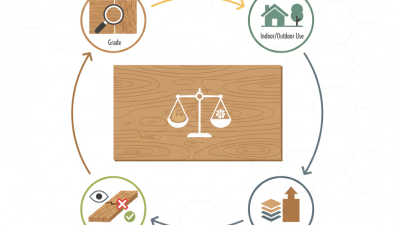
This illustrative procurement model shows a practical way for global buyers to prioritize plywood suppliers. Quality and compliance receive the highest weighting, while pricing, customization, and delivery capability should be reviewed together during the RFQ process. Buyers should verify certifications, thickness tolerance, moisture content, panel dimensions, packaging, and final landed cost with each supplier.

Ordering, Shipping, and Compliance Considerations for Global Buyers

Selecting a top ply cut-to-size supplier requires more than comparing sheet prices. Request a drawing, tolerance range, core specification, moisture target, and edge-finish sample. A practical purchase order should state thickness, length, width, quantity, packaging, and acceptable defects. Small omissions create expensive rework.

Shipping planning deserves equal attention. UNCTAD’s Review of Maritime Transport 2024 reports that maritime transport carries over 80% of global merchandise trade by volume. Confirm container loading diagrams, gross weight, moisture protection, and delivery terms before production. The World Bank’s Logistics Performance Index 2023 assessed 139 economies, showing how customs and tracking quality vary sharply between markets. Build buffer time. Port estimates are not promises.

Compliance evidence should arrive before the shipment. Ask for species information, harvest-country details, chain-of-custody records, and formal declarations where required. Wood packaging may need ISPM 15 treatment and marking. Markets with timber due-diligence rules can also require origin data and geolocation records. FSC’s Global Market Report 2024 highlights continued demand for certified forest products, but certification alone may not satisfy every import rule. That distinction is often missed. I would also verify mill test reports independently, because a neat certificate cannot reveal warped panels inside a sealed crate. Pay attention to language gaps, too. They cause errors.

2026 Top Ply Cut to Size Suppliers for Global Buyers - Ordering, Shipping, and Compliance Considerations for Global Buyers

Supplier Profile Typical Supply Region Common Ply Types Available Thickness Cut-to-Size Capability Typical MOQ Production Lead Time Export Packing Common Shipping Options Key Compliance Documents Best-Fit Buyer
Profile 01 – High-volume hardwood panel supplier East and Southeast Asia Hardwood, poplar-core, eucalyptus-core plywood 3–25 mm CNC or panel-saw cutting; common tolerance ±0.5–1.0 mm 1 × 20-foot container or mixed-size trial order 25–45 days after approved specifications Moisture-resistant wrapping, edge protection, export pallets FCL by sea; LCL for samples or small commercial lots Commercial invoice, packing list, bill of lading, fumigation or ISPM 15 evidence where applicable Furniture factories, wholesalers, construction distributors
Profile 02 – Certified structural plywood supplier Northern and Eastern Europe Softwood structural plywood, spruce and pine panels 9–30 mm Straight cuts, rectangular blanks, project-based machining 10–25 m³, depending on grade and dimensions 15–35 days Bundled sheets with corner guards and weather-resistant cover Truck, rail, short-sea, or containerized ocean freight EN 636 classification, EN 314 bonding class, CE-related documentation when required Roofing, flooring, wall sheathing, and engineered construction projects
Profile 03 – Marine and exterior-grade panel supplier South America and tropical production regions Phenolic-faced, exterior-bonded, marine-grade plywood 6–25 mm Waterjet, CNC, or saw cutting; sealed edges available 500–1,000 sheets or one consolidated shipment 30–50 days Sealed bundles, plastic film, palletized loading, container desiccants FCL ocean freight; port-to-port or door-to-door service Bonding-class test report, technical data sheet, origin documents, ISPM 15 documentation for wood packaging Marine interiors, transport flooring, outdoor structures
Profile 04 – Low-emission interior panel supplier Europe and certified Asian manufacturing hubs Poplar, birch, hardwood-core, and decorative plywood 4–21 mm Precision cutting, drilling, edge-banding, and labeling 100–300 sheets for standard sizes; higher for custom finishes 20–40 days Individual interleaf protection, flat pallets, humidity control Road freight within regional markets; sea freight for overseas orders Formaldehyde emission test, E1 or equivalent declaration, material safety data where requested Cabinetry, retail fixtures, office furniture, interior fit-outs
Profile 05 – Film-faced formwork panel supplier Asia, Eastern Europe, and selected Middle Eastern production bases Film-faced hardwood and birch-core plywood 12–21 mm Cutting, edge sealing, panel numbering, and drilling by drawing 500–1,000 sheets 20–40 days Steel or timber-reinforced bundles with waterproof outer wrapping Full-container ocean freight; project delivery by truck after port arrival Technical data sheet, film weight specification, bonding test, packing list, origin documents Concrete formwork contractors and infrastructure projects
Profile 06 – Birch plywood precision-cut supplier Baltic, Nordic, and Central European markets Multi-ply birch plywood, sanded and clear-face grades 6.5–30 mm CNC routing, nesting, drilling, engraving, and labeled kits 50–150 sheets for standard work; project quotation for custom kits 10–30 days Flat-packed kits, protective film, moisture-resistant cartons or pallets Parcel or truck freight for regional orders; air freight for urgent samples Grade declaration, formaldehyde report, FSC or PEFC evidence when contractually required Prototype manufacturers, furniture designers, small-batch OEM buyers
Profile 07 – Commercial mixed-specification supplier China, India, Türkiye, and other diversified export markets Hardwood, softwood, poplar, combi-core, and film-faced plywood 3–25 mm Basic saw cutting; advanced machining depends on the production site 200–500 sheets per specification 25–45 days Palletized bundles, edge guards, shrink wrapping, container bracing FCL, LCL, and consolidated buyer shipments Invoice, packing list, certificate of origin, test reports, and import-specific declarations Importers seeking multiple grades in one purchasing program
Profile 08 – Small-volume regional cut-to-size supplier North America, Western Europe, Australia, and local distribution centers Locally stocked hardwood, softwood, marine, and furniture plywood 3–25 mm Fast panel-saw or CNC service with local collection options 1 sheet to several pallets 2–15 business days for stocked material Cartons, pallets, corner protection, and local delivery wrapping Courier, LTL, domestic truck, or customer pickup Local invoice, product data sheet, emission declaration, and traceability records when available Samples, replacement parts, prototypes, and urgent maintenance orders
Buyer verification note: Lead times, minimum order quantities, tolerances, available certifications, and freight terms are indicative market ranges for 2026 planning. Confirm the exact face grade, core composition, moisture content, formaldehyde class, bonding class, cut tolerance, Incoterms, packaging method, and destination-country import requirements before placing an order.