10 Tips for Buying Plywood Globally
Buying ply wood across borders requires more than comparing prices. It demands evidence about grade, construction, moisture resistance, and supply reliability. A low quotation can hide higher inspection, storage, or replacement costs.
The FAO Global Forest Resources Assessment 2020 recorded approximately 4.06 billion hectares of forest worldwide. Yet available timber does not automatically mean consistent plywood quality. The UNECE/FAO Forest Products Annual Market Review 2023–2024 also describes continued volatility in forest-product markets, influenced by construction demand, energy costs, freight, and trade disruptions. These findings make supplier verification essential.
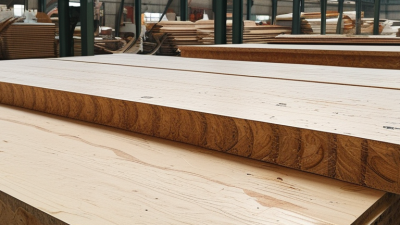
Bruce Hoadley, a respected wood technologist and author of Understanding Wood, wrote, “Wood is a natural material, and no two pieces are exactly alike.” That observation matters when evaluating veneer thickness, core gaps, surface defects, and panel moisture. Product photos are not enough. Ask for technical datasheets, production standards, test results, and recent batch photographs. Check whether the declared face grade matches the delivered panels.
This guide explains ten practical checks for buying plywood globally. It covers factory experience, certification claims, adhesive selection, packaging, shipping protection, and communication. Some recommendations may not fit every project. That is the uncomfortable part. A marine-grade label cannot replace independent testing, and a famous supplier can still make a poor shipment. Measure twice. Question the paperwork. Then compare the complete landed cost, not merely the factory price.
Define Your Plywood Requirements and Project Standards
Define plywood requirements before comparing overseas suppliers. State the intended use, panel dimensions, thickness tolerance, core construction, face grade, adhesive class, and expected service life. A cabinet panel needs different performance from concrete formwork. Do not rely on the phrase “commercial plywood.” It describes little without measurable criteria.
The FAO Global Forest Resources Assessment 2020 estimates that forests cover 4.06 billion hectares, or about 31% of global land. This scale does not guarantee consistent raw-material quality. Specify species, veneer moisture, defect limits, and certified chain-of-custody evidence where required. Ask for recent test reports covering bonding strength, formaldehyde emissions, moisture resistance, and bending performance. Standards such as EN 314, EN 13986, and relevant ASTM methods can make supplier quotations comparable.
Think beyond the factory gate. The World Bank’s Logistics Performance Index 2023 evaluates customs, infrastructure, shipment reliability, and delivery timeliness. These factors can disrupt a carefully planned plywood schedule. Include packaging requirements, container loading diagrams, inspection stages, and acceptance procedures in the purchase specification. Add a tolerance for color variation and repaired veneer; buyers often forget this detail. I still leave one question open: will the panel perform in the actual climate, not only in a laboratory? A technically complete document may still miss that practical weakness.
Compare Global Plywood Grades, Materials, and Certifications
10 Tips for Buying Plywood Globally
Global plywood purchasing starts with comparable specifications, not attractive prices.
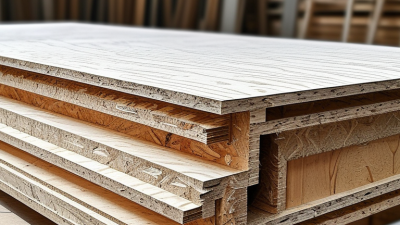
FAO’s Global Forest Products Facts and Figures reports wood-based panel production near 400 million cubic metres annually. That scale creates wide quality differences. Define the application first. Compare hardwood, softwood, and mixed-species veneers. Check whether the core uses full veneers or finger-jointed sections. Ask for EN 636 performance classes or equivalent structural standards. Review face grades carefully. A clean surface may hide internal gaps. Inspect it.
Confirm thickness tolerance, density, moisture content, and bonding performance. Request test reports using recognized methods, such as EN 314 for bond quality or ASTM structural procedures.
For interior projects, compare formaldehyde results under EN 717-1 or equivalent emission requirements. Regulatory limits vary by destination. Do not treat one certificate as universal approval. Verify its scope, expiry date, factory, and tested product range.
Traceability also matters.
Request legal timber documentation and a credible chain-of-custody certificate. Compare batch numbers against packing lists. Order cut samples before committing to a container. Check veneer alignment, edge voids, warping, and delamination after conditioning. ISO 12465 can help when comparing plywood terminology and product requirements internationally. Freight can add moisture risk, so inspect packaging and storage instructions.
I have found that “premium grade” often needs clarification. Suppliers may describe appearance, while buyers expect structural strength. Put every assumption into the purchase specification.
Verify Contracts, Quality Inspections, and Import Compliance
Buying plywood globally requires more than comparing a quoted price. FAO’s Global Forest Products Facts and Figures 2023 reports nearly 400 million cubic metres of wood-based panels produced worldwide in 2022. Large volumes do not guarantee consistent quality. Define species, grade, thickness, core structure, moisture range, face appearance, and formaldehyde limits in the contract. State the applicable standard, approved sample, delivery term, currency, and inspection deadline. Include remedies for delamination, warping, short shipment, and late delivery. Vague wording becomes expensive.
Inspect before loading.
Use a production sample, not only photographs. An independent inspector should check dimensions, adhesive bonding, surface defects, packaging, container condition, and random sheet counts. Laboratory testing can verify density, bending strength, moisture, and emissions. Record batch numbers and photographs. A useful contract can require inspection reports before final payment. Still, inspections are not perfect. A clean container does not prove every panel will perform well after installation.
Import compliance needs equal attention. The World Bank Logistics Performance Index 2023 evaluates 139 economies and separates customs, infrastructure, tracking, and timeliness. These factors affect landed cost. Confirm the correct HS classification, country-of-origin documents, commercial invoice, packing list, and destination labeling. Check whether wood packaging requires ISPM 15 treatment. Review restricted-species rules and destination emissions requirements with a customs professional. Retain certificates and test reports for the required period. One overlooked local rule can delay an otherwise compliant shipment.
10 Tips for Buying Plywood Globally
Contract verification, quality inspections, and import compliance checklist
This checklist highlights the ten core controls buyers should confirm before placing and shipping a global plywood order. The evidence column reflects the main documentation or verification record normally required for each control.