Blog

How to Choose the Best Plywood Board for Your Project?

Choosing the best plywood board begins long before cutting, sanding, or fastening. A sheet may look perfectly flat in a timber yard. Yet species, veneer grade, core construction, adhesive, and moisture rating determine its real performance. The wrong choice can cause swollen edges, screw pull-out, warping, or visible telegraphing beneath paint. Small details matter.

Industry evidence supports a careful approach. The FAO Global Forest Resources Assessment 2020 reports that forests cover approximately 4.06 billion hectares, or 31% of global land area. That scale makes responsible material selection more than a purchasing issue. It connects project durability with forest resources and supply-chain decisions. The USDA Forest Products Laboratory’s Wood Handbook: Wood as an Engineering Material, FPL-GTR-282, explains how wood species, moisture, and bonding influence panel stability. APA—The Engineered Wood Association also identifies grade stamps, exposure classifications, and span ratings as essential checks for structural panels. These sources do not make selection automatic. They make it verifiable.

This guide compares plywood board options for furniture, cabinetry, flooring, wall lining, and outdoor work. A bathroom cabinet may require better moisture resistance than a dry bedroom shelf. A subfloor needs structural performance, not merely a smooth face. Look at the stamp, not only the price. A cheaper sheet can become an expensive lesson through replacement labor and wasted finishes. That shortcut is tempting. It is not always wise. Local availability, certified sourcing, emissions documentation, and supplier quality can change the calculation. I would still recheck the technical sheet, because similar product names may hide important differences. Clear specifications beat confident guesses.
How to Choose the Best Plywood Board for Your Project?

Understanding Plywood Grades, Layers, and Core Materials

How to Choose the Best Plywood Board for Your Project?

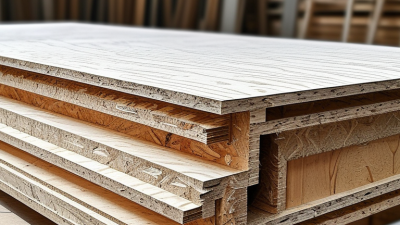
Understanding plywood grades, layers, and core materials helps prevent costly mistakes. Plywood is built from thin wood veneers, with each layer placed across the previous one. This cross-grain structure improves strength and reduces warping. More plies usually create better stability, but thickness still matters. Look closely. Thin panels can flex between supports.

Face grades describe appearance, not complete panel performance. An A face is smooth and suitable for painted or visible surfaces. Lower grades may contain knots, patches, or open defects. However, grade codes can vary between regional standards. Check the product specification sheet before comparing prices. For cabinets, inspect the face veneer and edge quality. For subfloors, focus more on thickness, stiffness, and moisture-rated adhesive.

Core material also changes how the board behaves. Veneer cores hold screws well and often provide consistent strength. Softwood cores are lighter and easier to cut. Composite cores may offer a very smooth surface, but screw holding can differ. I once selected a smooth panel for shelving without checking its span strength. That choice was not ideal. The shelves sagged under books. Before buying, examine the edges for gaps and voids. Confirm the layer count, glue rating, and intended exposure. A panel marked for interior use should not face repeated dampness. Be careful.

Matching Plywood Types to Indoor and Outdoor Applications

How to Choose the Best Plywood Board for Your Project?

Matching Plywood Types to Indoor and Outdoor Applications

Plywood selection should begin with the environment, not appearance. For cabinets, shelving, and wall panels, interior-grade plywood usually offers stable layers and clean machining. Hardwood-faced panels suit visible surfaces, while structural plywood works better behind walls or beneath floors. Check the product’s emission documentation before using it indoors. The California Air Resources Board and national composite wood standards set formaldehyde limits for regulated panels. Low-emitting products are the safer choice for bedrooms and offices.

Moisture changes everything. The USDA Forest Products Laboratory’s Wood Handbook reports typical moisture content near 6–8% in heated buildings, compared with 12–19% outdoors. That difference can cause swelling, checking, and open joints.

Outdoor projects need exterior-bond plywood, sealed edges, and drainage behind the panel. “Exposure 1” panels are designed for temporary construction moisture, not permanent weather. Exterior-rated plywood is the appropriate choice for repeated rain or humidity. Marine-grade construction may help near water, but it still needs correct detailing and maintenance.

Not every panel qualifies. In practice, I have seen beautifully faced plywood fail because its edges were left raw. That mistake is easy to overlook.

Read the stamp, inspect the veneer gaps, and match the panel rating to the wettest day your project may face. Industry guidance from the Engineered Wood Association and the USDA Wood Handbook supports this performance-based approach.

Selecting the Right Thickness, Size, and Surface Finish

Choosing the best plywood board starts with the project’s real demands. Thickness affects strength, weight, edge appearance, and screw holding. For cabinet sides, 15–18 mm plywood often provides dependable support. Thin 6 mm sheets can suit drawer bottoms or backing panels. However, they may flex across wider spaces. I once selected a thinner board for a long shelf, and the center sagged noticeably. My estimate was too optimistic.

Tips: Measure the opening twice. Allow a small fitting gap. Check the sheet size before planning cuts. A large panel can reduce joints, but it may be difficult to carry through narrow doors. Consider grain direction, too. It changes the panel’s visual balance and bending resistance.

Surface finish should match the final use. A smooth, sanded face works well for painting or clear coating. Decorative veneer needs careful handling because deep sanding can expose the inner layer. For utility areas, a more durable coated surface may save maintenance time. Inspect every edge under bright light. Small voids, rough patches, or uneven layers can affect both appearance and durability. Plywood is not always perfectly flat. Store it supported and dry before installation. I still check each panel personally, because written specifications cannot reveal every small surface defect.

Evaluating Strength, Moisture Resistance, and Workability

How to Choose the Best Plywood Board for Your Project?

Evaluating Strength, Moisture Resistance, and Workability

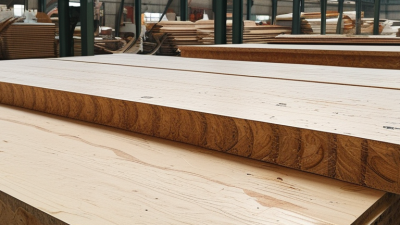
Plywood selection starts with the load your project must carry. Furniture shelves need stiffness, while wall panels may need lighter construction. Look at veneer thickness, layer count, and voids along the cut edge. More layers often improve stability, but thickness remains critical. Tap the sheet gently and inspect its surface. A dull, uneven sound may suggest internal gaps. Do not rely on appearance alone.

Moisture resistance depends on both the panel and its environment. Interior plywood suits dry rooms, but kitchens, bathrooms, and workshops need moisture-rated construction. Water-resistant adhesive helps, but it does not make plywood waterproof. Seal exposed edges carefully, especially around sink cutouts. I once focused on the face veneer and ignored the edge. The swelling appeared within weeks. That mistake changed my inspection routine.

Tips: Check the panel’s technical rating before buying. Test a small offcut with your planned saw blade and finish. Dense plywood can hold screws well, yet it may splinter during cutting. Use a sharp blade and support both sides of the sheet. Measure twice. Workability also includes sanding, drilling, bending, and painting. A smooth surface saves finishing time, but minor patches can still affect the final result. When strength, moisture resistance, and easy handling conflict, choose according to the project’s real exposure and daily use.

Comparing Quality, Cost, Certifications, and Supplier Reliability

How to Choose the Best Plywood Board for Your Project?

Comparing Quality, Cost, Certifications, and Supplier Reliability

Plywood quality starts with the inner layers, not the polished front surface. In a workshop, inspect the edges for gaps, overlapping veneers, and uneven thickness. Tap the board lightly. A dull sound may suggest loose or poorly bonded layers. Check the face veneer under direct light. Small color variations are acceptable, but deep patches and open cracks can weaken finishing work. Moisture-resistant plywood is useful in humid areas, yet it is not automatically waterproof.

Cost needs a wider comparison. Measure usable area, expected waste, sanding needs, and transport charges. A cheaper sheet may require extra filler or replacement pieces. That difference becomes expensive. Certifications can support responsible purchasing, but verify the certificate number, product scope, and validity date. Also request formal test data for emissions, bonding strength, and moisture performance. Certification labels alone are not enough.

Supplier reliability shows through repeatable details. Ask for a current sample, written tolerances, packing photographs, and recent delivery records. The sample should match the production batch, not a carefully selected display piece. Confirm how damaged sheets are handled and whether replacement terms are written clearly. I once trusted a low quotation and ignored weak packaging; several edges arrived crushed. The material was acceptable, but the delivery process was not. That mistake changed my checklist. A reliable supplier answers specific questions before receiving payment. Consistent communication matters.

How to Choose the Best Plywood Board for Your Project? - Comparing Quality, Cost, Certifications, and Supplier Reliability

Project / Board Type Typical Construction Quality Indicators Moisture Suitability Typical Thickness Indicative Cost
USD / 4 × 8 ft Sheet
Relevant Certifications / Standards Supplier Reliability Checks
Interior furniture and cabinetry Hardwood or decorative veneer faces with a stable multi-ply core Smooth faces, minimal core voids, consistent thickness, low warping, clean edges Dry interior areas; not intended for prolonged wet exposure 12–19 mm $35–$90 Low-emission formaldehyde compliance such as TSCA Title VI or CARB Phase 2; FSC certification when verified wood sourcing is required Request face-grade specifications, thickness tolerances, sample panels, and batch consistency records
General indoor construction Softwood or mixed-species veneers bonded in several cross-laminated layers Flat panels, good screw holding, limited open defects, accurately cut edges Protected interior applications with limited humidity changes 9–18 mm $25–$65 Applicable structural or panel standard; emissions documentation where the board will be used indoors Verify product datasheets, regular stock availability, packaging quality, and replacement policy for damaged sheets
Roof and wall sheathing Structural softwood plywood with cross-laminated veneers and exterior-rated adhesive Structural rating, dimensional stability, low edge damage, consistent panel thickness Intermittent weather exposure during construction; edges should be protected 9.5–15 mm $30–$75 APA-rated or equivalent structural certification; EN 13986 may apply in European markets Confirm span ratings, load tables, production markings, delivery protection, and traceable lot numbers
Concrete formwork Multiple veneers with smooth overlay or film-faced surface and waterproof bonding Smooth release surface, sealed edges, uniform thickness, resistance to repeated handling Wet construction environments; seal cuts and follow reuse instructions 12–21 mm $35–$100 Exterior-bond classification or project-specific formwork performance documentation Ask for expected reuse cycles, surface weight, coating type, edge-sealing method, and quality inspection reports
Marine and boat components Durable veneers with few or no core voids and waterproof adhesive Void-free core, strong bonding, low water absorption, stable machining performance Frequent wetting; requires suitable sealing, coating, and design detailing 6–19 mm $70–$180 Project-appropriate marine or exterior-bond specifications; verify test method rather than relying only on the word “marine” Require technical test data, core-void criteria, adhesive classification, and documented moisture-resistance testing
Exterior cladding and signage Exterior-grade plywood with a paintable face or decorative weather-resistant veneer Stable face veneer, low checking risk, sealed edges, compatible surface for paint or coating Outdoor exposure when fully coated and detailed to prevent water retention 9–18 mm $45–$120 Exterior-bond classification; FSC certification may support responsible sourcing requirements Check coating compatibility, weathering guidance, warranty terms, export documentation, and delivery lead times
Selection note: Prices are indicative ranges for one 4 × 8 ft panel and vary by thickness, wood species, grade, market, freight, and order volume. Always confirm the applicable building code, structural rating, emissions requirement, moisture exposure, and certification scope before purchase.