What Is the Best Plywood Board from China?
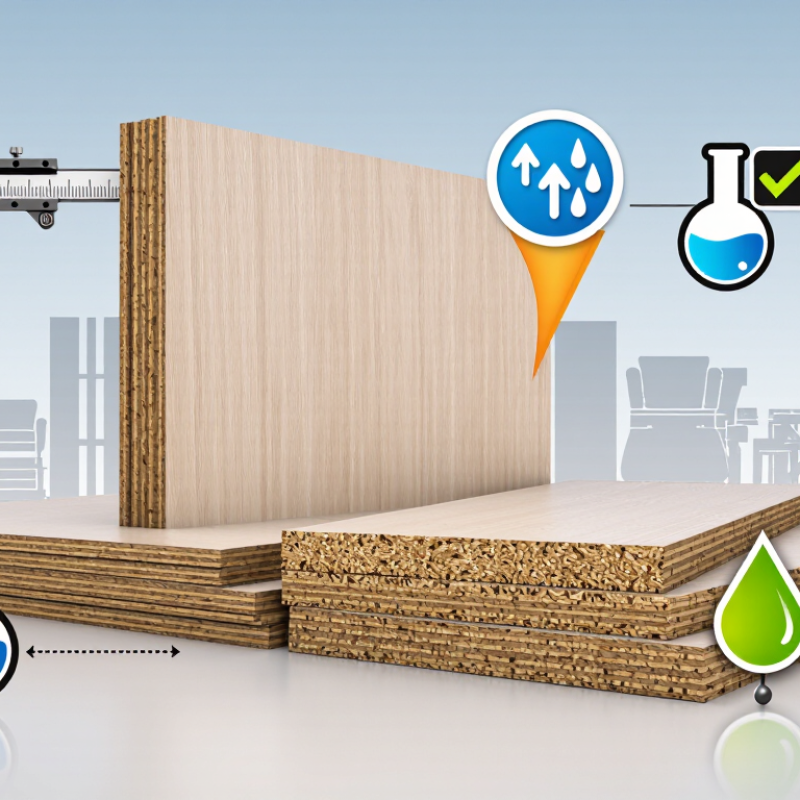
What is the best plywood board from China? The honest answer depends on its intended use. Furniture, packaging, flooring, concrete formwork, and marine construction require different panel structures. Price alone cannot identify quality.
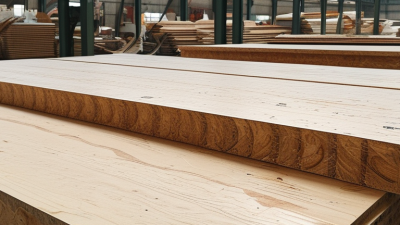
Dr. Robert H. Falk, a respected wood products researcher, offered a useful reminder: “Plywood performance depends on how it is made, graded, and used.” That principle remains important when evaluating Chinese suppliers. A reliable plywood board should have consistent veneers, tight bonding, even thickness, and clean edges. Check its core for gaps, overlaps, and loose sections. Small defects can become serious problems after cutting or installation.
Ask for the panel grade and applicable test reports. Verify formaldehyde emissions, moisture resistance, bonding strength, and dimensional stability. For structural projects, review standards such as EN 13986, EN 636, ASTM requirements, or other project-specific specifications. Certification matters, but it should support physical evidence, not replace it. Request samples from the same production line. Compare them after sanding, drilling, and exposure to humidity.
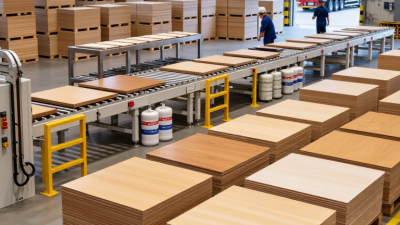
The best supplier should explain veneer species, adhesive type, pressing temperature, and quality controls clearly. Factory experience also matters. A clean workshop and traceable batch records provide useful confidence. Still, no supplier is perfect. Even an attractive sample may hide inconsistent production. That is where buyers must remain cautious. Independent inspection can reveal defects that photographs miss. A strong buying decision combines technical suitability, documented testing, stable production, and transparent communication. The “best” plywood board is not always the cheapest or thickest. It is the panel that performs reliably in its real working environment.
Define “Best” by EN 636, CARB Phase 2, and E1 Emission Criteria
What Is the Best Plywood Board from China?
The best plywood board from China is not defined by appearance alone. EN 636 provides a practical starting point. It classifies plywood for dry, humid, or exterior conditions. Check whether the panel matches the planned room, climate, and exposure. A smooth face can still hide weak bonding or uneven core gaps. Ask for the EN 636 classification and supporting test report. Do not rely only on a printed claim.
CARB Phase 2 focuses on formaldehyde emissions from composite wood products. E1 also sets a low-emission threshold, commonly requested for furniture and interior applications. These standards are related, but they are not identical. Confirm the testing method, laboratory, production batch, and report date. A supplier may provide a good sample, while later batches vary slightly. That is a sourcing risk worth discussing openly. I have learned that “low emission” means little without traceable evidence.
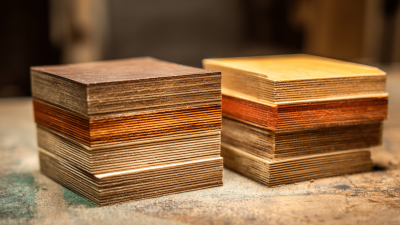
Tips: Request samples cut across the panel edge. Inspect veneer thickness, core joints, surface repairs, and warping under straight light. Store samples indoors before comparison. Ask for EN 636, CARB Phase 2, and E1 documents together. Also check the adhesive information. A certificate alone cannot show every detail of daily production. Recheck before large orders.
Evaluate Strength Using EN 310 Bending Values and Core Construction
What Is the Best Plywood Board from China?
Choosing the best plywood board from China requires more than a smooth face. EN 310 testing measures bending strength and modulus of elasticity. Tests should identify the loading direction clearly. These values show how a panel carries weight and resists deflection. Higher numbers often suggest better performance, but they do not tell the whole story. Request a recent laboratory report for the exact thickness and construction.
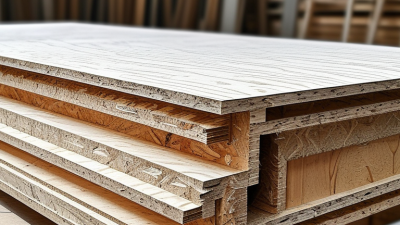
Core construction often explains unexpected results. A balanced panel uses alternating veneer grain directions. Consistent veneer thickness supports stable bending performance. Tight joints reduce weak lines. Large core gaps can create a soft spot under a loaded shelf. I have seen attractive panels fail early because inner plies contained loose patches. Check the ply count, veneer joints, adhesive coverage, and repair areas. A heavier board is not automatically stronger.
Compare boards at the same thickness and moisture condition. Read both EN 310 bending strength and modulus values. Strength indicates resistance to breaking. Modulus indicates stiffness during loading. A panel may resist failure yet bend too much for cabinetry. Record whether testing follows the long or short direction. This detail matters. Inspect cut edges for hidden voids. I would request production samples, not only showroom pieces. One test cannot represent every batch. Repeat checks make the decision more reliable.
What Is the Best Plywood Board from China?
EN 310 bending strength depends on wood species, veneer quality, panel thickness, moisture content, and core construction. The chart compares representative results for 18 mm plywood panels tested parallel and perpendicular to the face grain. Higher values generally indicate greater load-carrying capacity.
The figures are typical benchmark values reported for generic plywood constructions, not certified results for a specific supplier. Birch plywood with many thin, balanced veneers commonly provides the highest bending strength, while poplar plywood offers lower weight and easier machining.
Birch: 13–15 thin, balanced veneers; high face density and stiffness.
Eucalyptus: 9–11 hardwood veneers; strong and suitable for structural applications.
Mixed hardwood: 9–11 veneers; performance varies with species and grading.
Softwood: 7–9 thicker veneers; moderate strength with lower density.
Poplar: 11–13 lightweight veneers; good workability but lower bending values.
Check 2440 × 1220 mm Sizes, 3–25 mm Thicknesses, and Surface Grades
What Is the Best Plywood Board from China?
For many projects, the practical starting point is 2440 × 1220 mm plywood. This sheet fits common cutting tables and reduces layout waste. Available thicknesses often run from 3 to 25 mm. Thin 3 mm panels suit cabinet backs and curved details. Boards from 9 to 18 mm handle shelving, partitions, and furniture parts. A 25 mm panel feels stronger, but its weight and edge stability need checking.
Surface grade matters as much as thickness. Face descriptions such as B/BB, BB/CC, and C/D usually indicate visible veneer quality, yet grading terms can vary between suppliers. Inspect a sample for open knots, core gaps, patches, sanding marks, and color changes. A smooth face may still hide weak internal bonding. EN 635 classifies plywood appearance, while EN 314-2 addresses bonding quality. Ask for test reports linked to the actual production batch, not only a general catalogue.
The FAO Global Forest Products Facts and Figures 2023 reports global wood-based panel production at roughly 400 million cubic metres, showing the scale of this sector. That scale does not guarantee uniform quality. In my experience, a 12 mm sheet with stable cores can outperform a thicker board with voids. I once underestimated edge swelling on a low-grade panel. The lesson was simple: check moisture resistance, formaldehyde emission data, and thickness tolerance before comparing prices. A small surface defect may be acceptable; a loose core usually is not.
Verify FSC, CE, ISO 9001, and Third-Party Quality-Test Certificates
What Is the Best Plywood Board from China?
The best plywood is not selected by appearance alone. I have inspected panels where smooth faces hid weak cores and uneven glue lines. Ask the supplier for current FSC, CE, and ISO 9001 certificates. Check the legal company name, certificate number, issuing body, and expiration date. Small details matter.
FSC documentation should match the plywood supplier and the claimed chain of custody. It confirms responsible material sourcing, not panel strength. CE marking applies only when the product falls under relevant European requirements. It is not a universal quality award. ISO 9001 shows that the factory follows a quality management system. It does not prove that every board is defect-free.
Read the third-party quality-test certificate carefully. The report should identify the exact plywood type, thickness, batch, test date, and laboratory. Confirm the laboratory’s accreditation and test method. Useful results may cover formaldehyde emission, bonding strength, moisture resistance, thickness tolerance, and bending performance. Compare those values with your project specification.
A recent report is stronger evidence than a polished certificate scan. Still, one report cannot represent every shipment. Request a pre-shipment inspection, random sample testing, and sealed samples for comparison. I have learned that paperwork can look complete while production changes quietly. Recheck documents before each large order.