Blog

China Top Half Inch Plywood Manufacturers for Global Buyers

For global buyers, choosing half inch plywood involves more than comparing price lists. Thickness, veneer quality, adhesive performance, and emissions documentation all affect how a panel performs after shipping and installation. The FAO’s Global Forest Resources Assessment 2020 estimates that forests cover 4.06 billion hectares, or about 31% of the world’s land area. That figure gives sourcing context, but it does not certify any individual supplier or product.

Wood behavior matters. Wood scientist Bruce Hoadley’s concise observation is: “Wood is hygroscopic.” Buyers should therefore check moisture conditions, storage practices, and dimensional tolerances—not just the nominal thickness printed on a quotation. For structural applications, request test documentation against the relevant product specification, such as APA panel guidance or applicable national standards. Confirm that the stated grade, bond classification, and intended exposure match the project.

China’s manufacturing base offers global buyers a wide range of panel options, but factory capability varies. Ask for recent test reports, consistent batch records, clear veneer-core descriptions, and packing details suited to container transport. A sample can look smooth under warehouse lights and still reveal core gaps at a freshly cut edge. That detail matters.

This guide compares China’s leading half inch plywood manufacturers through practical buyer criteria: product range, quality controls, export experience, and documentation. Rankings should be treated as a starting point, not a substitute for independent verification. Market data can inform a shortlist; the right specification still depends on the job.
China Top Half Inch Plywood Manufacturers for Global Buyers

What Half-Inch Plywood Is and Where It Is Used

Half-inch plywood is a panel made from thin wood veneers bonded in layers, with neighboring layers usually arranged at right angles. The “half-inch” label is nominal; actual thickness can vary by product and manufacturing tolerance. Check the technical sheet or measure a sample before designing tight-fitting joints. That small difference matters.

Its layered construction helps resist splitting and keeps panels relatively stable across changing grain directions. Builders use it for cabinet sides, drawer bottoms, partitions, wall linings, and light furniture. A 1.22-by-2.44-metre sheet can cover a broad surface, while a fine-toothed blade helps reduce splintering along the cut edge. Sanding and edge sealing may still be needed.

The right grade depends on the job. Interior panels suit dry rooms, while damp locations call for suitable bonding and protective finishing; plywood is not automatically waterproof. Half-inch sheets can work for shelving, but long spans may sag under books or tools. Add supports where needed. For global buyers comparing manufacturers, confirm thickness tolerance, veneer quality, emissions documentation, and intended-use rating before ordering. A sample reveals more than a catalog photo.
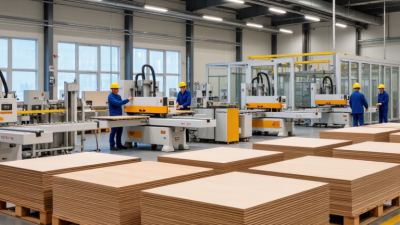
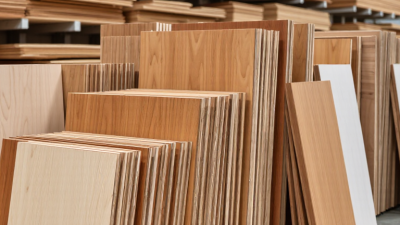
China Top Half-Inch Plywood Manufacturers for Global Buyers — What Half-Inch Plywood Is and Where It Is Used

Half-inch plywood is nominally 0.5 in (12.7 mm) thick. The chart compares the surface area of common nominal sheet formats; availability and actual dimensions can vary by supplier and market.

Where it is used: Depending on grade, construction, and load requirements, half-inch plywood is commonly used for cabinet components, shelving, furniture parts, wall sheathing, and general interior projects. Check local building codes and product specifications before using it for structural applications.

How Chinese Manufacturers Produce and Grade Half-Inch Plywood

China Top Half Inch Plywood Manufacturers for Global Buyers

How Chinese Manufacturers Produce and Grade Half-Inch Plywood

Half-inch plywood is commonly specified at a nominal 12.7 mm, but buyers should confirm the required finished thickness. Production usually begins with peeled veneer sheets, which are dried and checked for moisture, splits, and visible defects. Workers arrange the veneers in alternating grain directions to improve panel stability. Adhesive is applied between layers before the stack enters a hot press. Temperature, pressure, and pressing time affect bonding, so factories monitor these settings throughout production. The panels are then trimmed and sanded. Small process differences can matter.

Grading combines appearance checks with product-specific performance requirements. Inspectors may look for open gaps, face patches, delamination, and uneven edges. Structural panels may also undergo bond or strength testing, depending on the specification. Grade names are not always identical across suppliers, so request written criteria, test details, and sample measurements before placing an order. A clean face does not prove a strong core. Factory checks help, but they are not infallible; I would verify a shipment against agreed tolerances rather than rely on a label alone.

Tips: Ask for actual thickness readings from several points on a panel. Confirm veneer count, adhesive type, intended use, and grading standard in writing. Keep a reference sample. It can prevent confusion later.

Which Specifications and Certifications Global Buyers Should Check

For global buyers, “half inch” is a starting point, not a complete specification. Confirm whether it means nominal or actual thickness, and request the permitted tolerance in millimeters. Check sheet dimensions, face-veneer species, grade, core construction, and sanding quality. A sample can reveal core gaps, overlaps, and rough patches that a product sheet may not show. Small details matter.

Match the panel’s intended use to its grade and bond classification. For humid or exterior applications, ask for the relevant bond test results; do not assume “waterproof” means suitable for every exposure. Check formaldehyde-emission requirements for the destination market. Request current test reports and certificates, then confirm their scope covers the exact product, factory, and production process. A certificate stamp alone is not proof. I would not rely on a catalog table alone.

Tips: Ask for a recent report from a competent testing laboratory, plus batch identification and traceability details. Compare the report’s thickness, grade, and product description with your purchase order. If documents seem unclear, pause and ask for clarification. That extra check can feel fussy, but missing details are harder to fix after shipment.

How to Evaluate Half-Inch Plywood Manufacturers in China

When evaluating half-inch plywood manufacturers in China, do not rely on the product label alone. Ask for the stated thickness range, core construction, veneer species, and adhesive type. Compare these details with the intended use, such as shelving or interior partitions. Small differences matter. Measure several panels with calipers; one sample may not represent a full production run. Inspect cut edges for voids, overlapping veneers, and loose plies. A polished sample can mislead. It may be the best sheet in the stack.

Ask for recent quality records and test reports that identify the method used, not just a pass statement. Check whether results cover thickness, moisture, and bonding performance relevant to your project. If the order is substantial, consider an independent inspection before shipment. Confirm tolerances, sheet dimensions, packaging, and replacement terms in writing. Request photos of packed goods and verify that labels match the agreed specifications. A small trial order can expose communication gaps, though it adds time and cost. I would not treat a fast quotation as proof of reliable production; details often need another round of questions.

What to Confirm Before Placing an International Order

Before ordering half-inch plywood from China, confirm what “half inch” means on the supplier’s specification sheet. Ask for the finished thickness in millimeters and its permitted tolerance. Nominal dimensions can differ from measured dimensions. A digital caliper check on a pre-shipment sample helps prevent surprises.

Be specific about face veneer, grade, core construction, and intended use. Request photos of panel edges and surface defects, but do not rely on photos alone. Ask for a physical sample from the same production batch when practical. Confirm the adhesive type and request current test reports relevant to your destination and application. Reports should identify the tested product clearly.

Agree on sheet size, quantity, moisture condition, packing method, and inspection timing in writing. For example, specify whether panels need corner protection and sealed wrapping before container loading. Clarify who arranges inspection and what happens if measurements fall outside the agreed tolerance. Review the commercial invoice, packing list, and shipping terms before payment. Names and quantities should match across documents. Details matter.

A pre-shipment inspection can catch chipped edges or uneven thickness, though it cannot guarantee every sheet is perfect. I have seen buyers focus on price and overlook packaging; that is an easy mistake, and it can be costly. Ask questions early, even if one detail feels obvious.

China Top Half Inch Plywood Manufacturers for Global Buyers – What to Confirm Before Placing an International Order

Order Checkpoint What to Confirm in Writing Useful Specification or Evidence Why It Matters
Nominal thickness Confirm whether “half inch” means a nominal 12.7 mm panel, and state the permitted finished-thickness range. Specify the measurement method, measurement locations, and allowable tolerance in the purchase contract. Do not assume nominal thickness equals the measured thickness. Thickness affects fit, machining, panel weight, and compliance with the buyer’s drawings or installation requirements.
Panel dimensions List the required length and width, dimensional tolerances, squareness, and whether custom sizes are acceptable. 1220 × 2440 mm is a commonly traded sheet format, but availability and tolerances must be confirmed for the specific order. Confirmed dimensions help prevent cutting, container-loading, and installation problems.
Face and back grades Define the acceptable face and back appearance, including patches, knots, splits, sanding, and repairs. Use a written grade description and approved reference samples or photographs. Grade names can differ between suppliers and markets. Clear visual criteria reduce disputes about appearance and usable yield.
Core construction Identify the core material, veneer arrangement, number of plies, and acceptable core gaps, overlaps, or repairs. Request a panel construction specification and, where needed, a cut-section sample from the same construction. Core composition and lay-up affect strength, stability, edge quality, and suitability for machining.
Bonding and intended use State the intended application and required bond-performance standard or class. Avoid relying on descriptions such as “waterproof” alone. For European plywood, identify the applicable EN 314-2 bond class and EN 636 use class where relevant. Confirm that the selected standard matches the product and application. Bond class and use class relate to specified conditions of use; they do not make every plywood panel suitable for permanent outdoor exposure.
Formaldehyde emissions Confirm the rules applicable in the destination market and the required emission class or limit for the product. For the United States, check applicable TSCA Title VI requirements and request relevant compliance records and test documentation. Confirm any additional local requirements separately. Emission rules vary by destination, product category, and intended use; a general statement of compliance may not be sufficient.
Moisture and conditioning Agree on the moisture-content range at inspection or shipment and the test method. Record the agreed range in the contract and specify how samples will be selected and measured. The suitable range depends on the product and end use. Moisture differences can contribute to dimensional movement, warping, or issues after installation.
Quality-control inspection Set the inspection stage, sampling plan, defect limits, and procedure for handling nonconforming panels. Arrange pre-shipment inspection against the signed specification, approved sample, and packing list. Identify who may inspect and when. Written acceptance criteria make inspection results more consistent and help resolve quality claims.
Test reports and certificates Specify which documents are required, who issues them, and whether they must relate to the ordered product and production batch. Request applicable test reports, declarations, or certification documents before shipment; check product scope, standard edition, validity, and traceability. A certificate or report is useful only when its scope and product details match the goods being purchased.
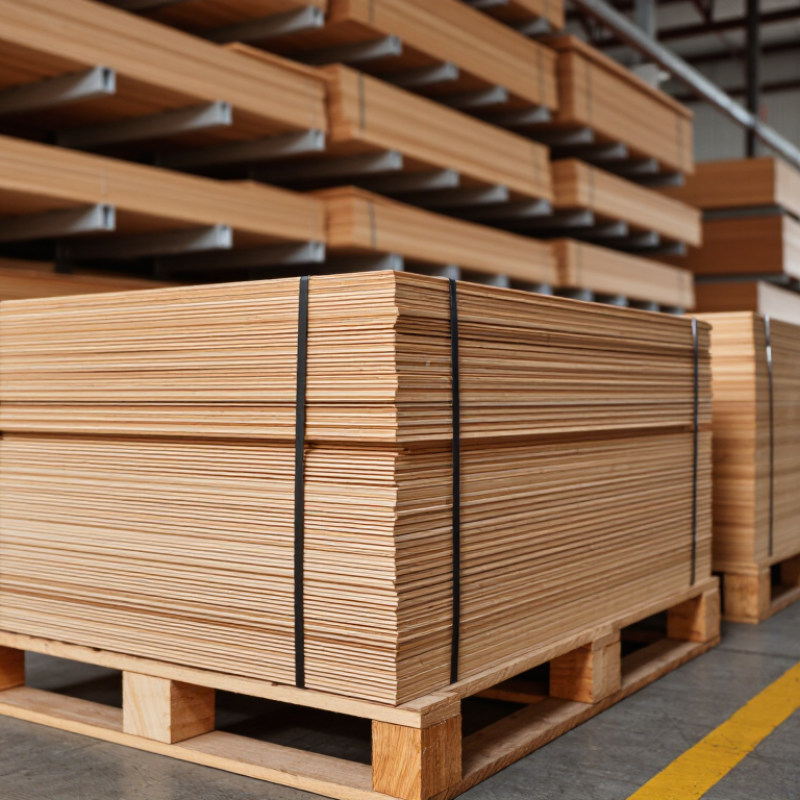
Packaging and shipment protection Confirm bundle quantity, pallet or package dimensions, edge protection, moisture protection, and shipping marks. Approve a packing specification and request package photos before dispatch. Confirm container loading and gross-weight details with the carrier or forwarder. Suitable packing and accurate shipment information help reduce handling damage and documentation discrepancies.
Order and shipping documents Agree on the commercial invoice, packing list, bill of lading details, and any destination-specific documents before shipment. Check that product description, quantities, package count, weights, consignee, and shipping terms are consistent across documents. Document mismatches can delay customs clearance or create avoidable import costs.
Payment, delivery, and claims Define the delivery term and named place, production lead time, payment milestones, claim window, and evidence required for a claim. Use a written contract that identifies the governing specifications and the process for inspection, replacement, credit, or other agreed remedies. Clear commercial terms reduce uncertainty if production, transit, or product-quality issues arise.

Note: Specifications and regulatory requirements depend on the product, application, and destination market. Confirm current requirements with the relevant authorities, testing bodies, and import professionals before placing an order.