Why Choose Maple Plywood for Furniture and Cabinets?
Maple plywood is often chosen for clean grain, a light finish, and a face that suits both modern furniture and traditional cabinetry. But its appearance is only part of the decision. The USDA Forest Products Laboratory’s Wood Handbook (FPL-GTR-282, 2021) reports a specific gravity of about 0.63 for hard maple at 12% moisture content. That figure describes the solid wood, not every maple plywood panel. Core material, veneer thickness, and panel construction still matter.
Consider a cabinet door beside a sunlit window, or a drawer front handled every day. The finish, edge treatment, and panel grade will affect how well the piece performs. APA – The Engineered Wood Association’s Plywood Design Specification explains how plywood construction and grades relate to panel performance. For buyers, that makes the supplier’s panel specifications worth checking—not just the maple face. Ask about core type, veneer grade, thickness, and applicable emissions documentation. Small details matter. A maple surface can look refined, yet a poorly matched core or exposed edge may disappoint. That is an easy detail to overlook. This introduction examines why maple plywood can work well for furniture and cabinets, while keeping its limits in view: suitability depends on the panel, the room, and the quality of fabrication.
What Is Maple Plywood and How Is It Made?
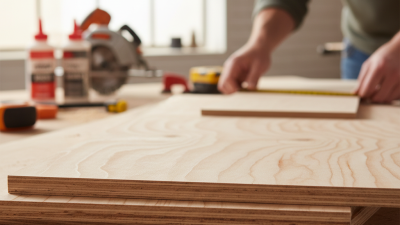
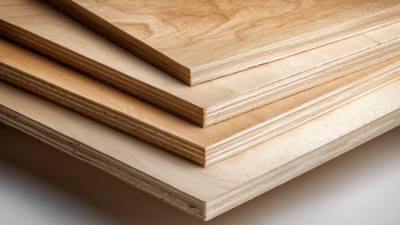
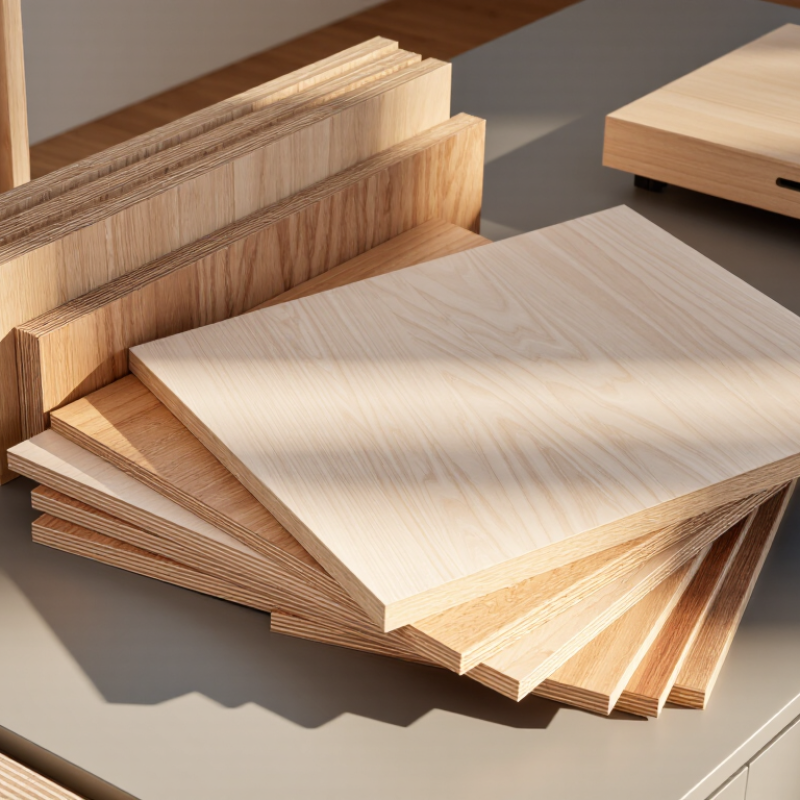
Maple plywood is an engineered panel, not a solid maple board. Its visible face is a thin maple veneer, while the inner plies may use maple or other wood species. During manufacture, logs are peeled or sliced into veneer sheets, which are dried, sorted, and coated with adhesive. The sheets are stacked with neighboring grain directions crossed, then pressed under heat. This layered structure helps limit movement across the panel. The exact core and adhesive can vary, so the product label deserves a closer look.
The USDA Forest Products Laboratory’s Wood Handbook (2021) reports a basic specific gravity of about 0.63 for hard maple. That figure describes the wood, not the finished panel’s weight or strength. Still, it helps explain why maple faces can feel firm and resist everyday surface wear. In a cabinet shop, a pale, close-grained face can take a smooth finish, while exposed edges reveal the core layers. That detail matters. A maple face does not guarantee a maple core, and veneer thickness affects sanding and repair options. I would check panel grade, thickness, core material, and moisture suitability before choosing sheets for doors or cabinet sides.
What Properties Make Maple Plywood Suitable for Furniture?
Maple plywood suits furniture because it combines a fine, even-looking face with a stable layered panel. The USDA Forest Products Laboratory’s Wood Handbook lists sugar maple at about 0.63 specific gravity, a useful indicator of the solid wood’s density. That figure describes maple lumber, not the finished plywood panel. A smooth maple face takes clear finishes evenly and can make cabinet doors, drawer fronts, and table surfaces look crisp. Small details show. Grain matching and veneer quality still matter.
Plywood’s cross-laminated veneers help limit the movement that can cause a solid-wood panel to cup or split. APA guidance on plywood construction explains how alternating veneer directions contribute to panel stability. In practice, a broad cabinet side is less likely to distort than a comparable solid maple board, though humidity changes still affect it. The panel’s core, adhesive, thickness, and manufacturing quality matter too. Not indestructible.
Maple’s firm face handles everyday contact well, but the panel edges need care. A dropped tool can dent a thin veneer, and exposed edges may absorb moisture near a sink. Seal cut edges and choose a panel grade suited to the finish and load. For shelves, check the panel’s span and thickness rather than relying on the maple face alone. The face looks tough; the core tells another part of the story.
How Does Maple Plywood Perform in Cabinets and Built-In Storage?
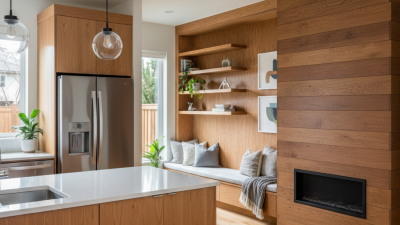
Maple plywood works well in cabinet doors, drawer fronts, and built-in storage because its fine, even surface takes paint and clear finishes cleanly. The USDA Forest Products Laboratory’s 2021 Wood Handbook reports sugar maple density at about 705 kg/m³ at 12% moisture content. That figure describes solid wood, not a finished plywood panel, but it helps explain why maple faces feel firm and resist everyday scuffing. A pale face also makes small kitchens and hallway cupboards feel brighter. That matters.
Plywood’s cross-laminated layers help limit movement as indoor humidity changes, while a well-made core gives shelves and cabinet sides a reliable base. APA guidance on engineered wood notes that panel performance depends on thickness, grade, and construction, so check the panel specification rather than judging by the maple face alone. For a long pantry shelf, use adequate thickness and support; even good plywood can bow under heavy dishes over a wide span. There is a catch. Maple veneer can show color variation, and exposed edges need careful banding or a solid-wood strip. I have seen a beautiful face let down by a rough edge. For built-ins, inspect the core, confirm the intended finish, and match shelf spans to the load. The details matter.
What Should You Consider When Choosing Maple Plywood?
Maple plywood can give furniture and cabinets a light, even surface, but appearance is only part of the choice. Check the face veneer for patches, color variation, and small defects under bright, natural light. A sheet that looks uniform in a showroom may show more contrast beside a window. Check the core.
On a cut edge, look for gaps, overlapping plies, or loose layers. These details matter when edges will remain visible or receive a thin finish. For cabinet doors and shelves, confirm the sheet thickness and core construction suit the hardware and expected load. A heavy door can strain poorly supported hinges. Feel the edge.
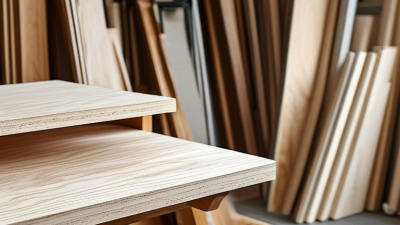
Moisture exposure deserves attention, too. Maple plywood is not automatically waterproof, so kitchens and laundry areas need suitable sealing and careful protection around sinks. Ask the supplier about veneer grade, core type, and recommended storage conditions. Keep sheets flat and dry before cutting; bowed panels can complicate assembly. If the finish is important, test a small offcut first. Maple’s pale color can change noticeably with clear coatings, and the result may not match a sample exactly. I would still compare samples in the room where the cabinets will be installed.
How Can Maple Plywood Furniture and Cabinets Be Maintained?
How Can Maple Plywood Furniture and Cabinets Be Maintained?
Maple plywood stays attractive when its surface and edges remain dry. Dust shelves and cabinet fronts with a soft cloth; grit can leave fine scratches when rubbed across the pale finish. For sticky marks, use a lightly damp cloth and dry the area at once. Avoid soaking seams, where water may weaken adhesive or lift veneer. A small splash is manageable. Standing water is not.
Humidity matters, too. The U.S. Environmental Protection Agency’s moisture-control guidance recommends keeping indoor relative humidity ideally between 30% and 50%, and below 60%. Stable indoor conditions help limit wood movement, which the USDA Forest Products Laboratory’s Wood Handbook identifies as a response to changing moisture content. Keep cabinets away from persistent leaks and direct heat. Use coasters under hot cups, and don’t assume a sealed finish makes the panel waterproof. It doesn’t.
Tips: Clean spills promptly, use mild soap only when needed, and skip abrasive pads or strong solvents. Check cabinet edges and hardware every few months. If a door loosens, tighten its screws gently; overtightening can damage the panel. One practical detail is easy to miss: sunlight can gradually change maple’s color, so rotate displayed objects or use a shade where strong sun hits. The finish may still age unevenly. That is worth checking.