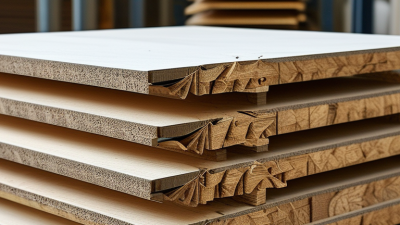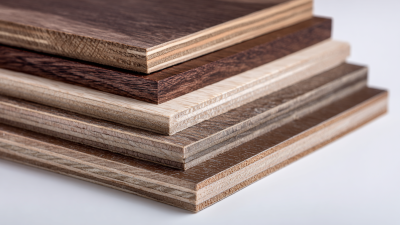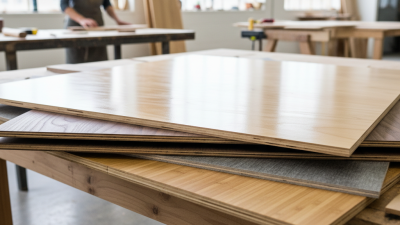
Thin plywood has become a practical material for furniture, cabinetry, interior walls, packaging, and lightweight construction. Its lower weight can reduce handling effort and shipping volume. However, thin panels can also expose defects quickly. Uneven veneers, weak cores, and excessive moisture may appear after installation.
Recent data from the FAO Global Forest Products Facts and Figures 2023 shows continued global importance for wood-based panels and international timber supply chains. The ITTO Biennial Review and Assessment of the World Timber Situation 2023 also highlights changing trade flows, sourcing requirements, and market pressure across producing regions. Meanwhile, Grand View Research identifies furniture, construction, and interior applications as major drivers of plywood demand. These reports offer useful market context, but they do not replace factory-level verification.
This guide reviews top thin plywood suppliers for global buyers. It considers veneer quality, thickness tolerance, bonding performance, moisture control, packaging, and export experience. Product certificates matter. So do recent inspection records, clear technical sheets, and responsive communication. A supplier may show attractive samples, yet production batches can vary. That is where careful buyers should look harder.
No supplier list is perfect. Pricing changes. Lead times move. Certification status can expire. Buyers should request current test reports, production samples, and shipment references before placing large orders. The strongest suppliers combine stable manufacturing with honest limitations. That balance supports safer decisions, fewer claims, and more predictable results across international projects.
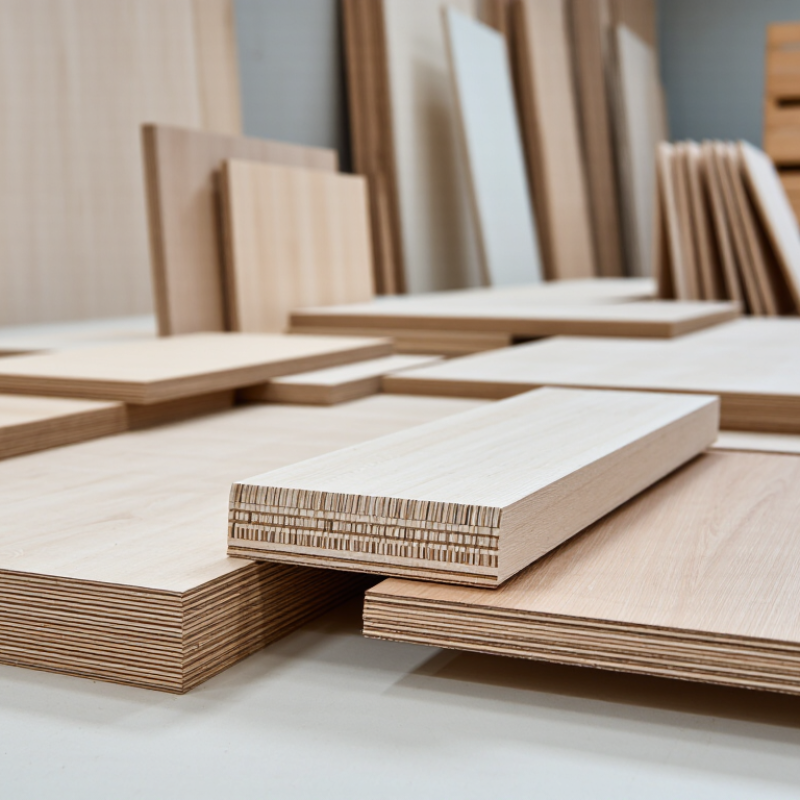
Thin plywood serves different markets because its structure balances light weight, strength, and easy shaping. Common types include birch, poplar, eucalyptus, and flexible plywood.
Birch plywood offers a smooth face and strong screw holding, making it suitable for drawer sides, model parts, wall panels, and lightweight furniture.
Poplar plywood is lighter and easier to cut. It often appears in packaging, aircraft-style interiors, and decorative displays.
Flexible plywood bends around curved counters, columns, and retail fixtures. Marine-grade plywood uses durable veneers and water-resistant bonding, but it still needs correct sealing.
Standard thin panels usually range from 0.4 to 6 millimeters. The USDA Forest Products Laboratory’s Wood Handbook explains that thinner veneers can improve bending performance when grain direction is controlled. FAO’s Forest Products Yearbook reports global plywood production above 160 million cubic meters in 2022, showing the material’s wide industrial reach.
Yet, not every thin panel suits humid climates. This is where buyers sometimes underestimate risk.
Tips: Check thickness tolerance, veneer direction, glue class, and formaldehyde documentation before ordering. For export packaging, confirm moisture resistance and test a sample under vibration. For interior projects, request surface grading and repair limits. Certification claims should match recognized chain-of-custody records, not only a supplier’s brochure. A small mistake here can create visible warping later.

Evaluating thin plywood suppliers requires more than comparing prices. Start with measurable specifications, including thickness tolerance, panel size, veneer species, core structure, and surface grade. A reliable supplier should provide recent test reports and clear production records. Ask whether the plywood remains stable after cutting, bending, and repeated changes in humidity. Small panels can warp quickly when the core contains uneven veneers.
Material safety also deserves careful attention. Request documentation for adhesive emissions, moisture resistance, and applicable quality standards in your destination market. Samples should come from normal production, not specially selected sheets. Check the edges, glue lines, sanding marks, and veneer overlaps under strong light. A clean surface may still hide weak bonding inside.
Production capacity is another practical criterion. Confirm monthly output, lead times, packaging methods, and the supplier’s response to damaged goods. Consistent communication matters when specifications change. An experienced supplier should explain limitations instead of promising everything. That is a useful sign. Still, no audit is perfect. Even a detailed inspection can miss seasonal moisture problems or inconsistent batches. Keep retained samples, record test results, and review performance after delivery. Cost remains important, but unusually low pricing may reflect thinner veneers, weaker adhesives, or unstable quality.
Thin plywood supply is concentrated in Asia, where large panel industries combine veneer peeling, drying, and pressing near established timber-processing hubs. FAOSTAT’s Forestry Production and Trade database identifies China as a leading wood-based panel producer; its scale supports broad thickness ranges and high-volume orders. Vietnam and Indonesia also serve export markets, with production linked to regional plantation and tropical timber supply. The ITTO’s annual review of tropical timber markets tracks plywood trade from Southeast Asian producers, though export figures do not reveal every factory’s thin-panel capacity. Details matter.
European suppliers offer a different strength: established quality-control systems and access to engineered wood markets. Finland and other northern producers benefit from organized forest industries and modern panel equipment, while buyers may find shorter lead times within Europe. The FAO’s Global Forest Resources Assessment provides useful context on forest resources, but it does not certify individual supplier performance. That gap is easy to overlook. A region’s output cannot guarantee consistent veneer thickness, flatness, or bonding. Ask for recent test reports, sample sheets, and batch-level moisture data before comparing quotations. Even then, samples can flatter a product; production batches may vary. Sources: FAOSTAT Forestry Production and Trade; ITTO Annual Review and Assessment of the World Timber Situation; FAO Global Forest Resources Assessment.
For global buyers, thin plywood specifications should begin with measured thickness and permitted variation, not a catalogue label. Request the species, veneer count, face-grade description, and core construction in writing. A sheet measuring 3 millimetres may behave differently across suppliers if its tolerance, adhesive, or veneer lay-up changes. Check bonding requirements against the relevant standard, such as EN 314-2, and confirm that test reports identify the tested panel type. Standards are useful, but they do not replace checking the actual shipment.
The UNECE/FAO Forest Products Annual Market Review reports global wood-based panel production at roughly 400 million cubic metres in 2022. That figure covers multiple panel types, not thin plywood alone; it shows why buyers should compare product-level documentation rather than broad market claims. Ask for current test results covering thickness, moisture content, bonding, and formaldehyde emissions where applicable. Verify that certificates match the factory, product, and intended use. A certificate for another panel range proves little.
Tips: Request a recent sample and measure it at several points with a caliper. Inspect the edges for voids, uneven plies, and lifted veneer. Keep one approved sample for comparison during incoming inspection. Small gaps matter. Packaging can also affect flatness during transit, so specify dry, protected storage and record any damage on arrival. I would still treat supplier paperwork as a starting point; independent testing may be warranted for critical applications.
| Supplier Profile | Common Thin-Plywood Offerings | Typical Construction and Uses | Quality Standards to Verify | Certifications and Documents to Request | Key Checks Before Ordering |
|---|---|---|---|---|---|
| Specialist flexible-panel manufacturer | Thin, multi-ply panels; commonly available in thicknesses around 2–6 mm, subject to the producer’s range. | Cross-laminated veneers designed for bending or curved interior components, models, and furniture parts. | Request declared thickness tolerances, veneer orientation, bending guidance, and relevant plywood performance test results. EN 636 may be used to specify plywood requirements for intended conditions of use. | Current product data sheet, test reports, factory quality-control information, and chain-of-custody documentation if certified timber is required. | Confirm minimum bend radius, grain direction, surface grade, moisture content, and whether the panel is intended for dry or humid conditions. |
| Decorative-veneer panel producer | Thin panels with decorative face veneers; available species, grades, and thicknesses vary by producer. | Furniture, cabinetry, interior fit-outs, and visible surfaces where appearance and face-veneer matching matter. | Specify face grade, veneer matching, surface quality, thickness tolerance, and bonding class. EN 314-2 defines plywood bonding quality classes; the appropriate class depends on the intended service conditions. | Face-veneer specification, bonding-class evidence, emissions test documentation where required, and FSC or PEFC chain-of-custody evidence when making certified sourcing claims. | Approve a production sample and define acceptable repairs, color variation, sanding, and veneer-joint appearance in writing. |
| Construction-panel supplier | Thin structural or general-purpose plywood options may be available, depending on the product line and market. | Applications can include packaging, lining, or construction components where the panel’s declared performance matches the design requirement. | For European construction products, check whether EN 13986 and the applicable product declaration and CE-marking requirements apply. Confirm the plywood’s intended use and performance characteristics. | Declaration of Performance where applicable, CE-marking information where required, technical data sheet, and batch traceability details. | Do not assume a thin panel is structural: verify strength, stiffness, span limits, grade, and the applicable design rules for the project. |
| Export-oriented plywood mill | Cut-to-size or standard-format thin panels; species, core construction, and available thicknesses are market-specific. | Furniture components, interior panels, packaging, and industrial uses, subject to the panel’s stated grade and bonding performance. | Request a written product specification covering thickness, tolerances, dimensions, moisture content, veneer quality, and bonding. Ask for testing to the standards required in the destination market. | Inspection reports, product test reports, packing list, country-of-origin documentation, and any destination-market compliance documents required by the buyer. | Agree on inspection criteria, packaging protection, pallet dimensions, labeling, delivery terms, and a process for handling nonconforming goods. |
| Low-emission panel supplier | Thin plywood products offered with documented formaldehyde-emission performance; product availability depends on the market. | Interior furniture and fit-out uses where emissions requirements are part of the purchasing specification. | For the United States, TSCA Title VI sets a formaldehyde-emission limit of 0.05 ppm for hardwood plywood. Confirm that the product category and test documentation match the applicable rule. | Applicable third-party certification or compliance documentation, emissions test records, product labeling information, and mill identification where required. | Check the exact panel type, test method, production date, and validity of documentation; do not treat “low emission” as a substitute for a stated limit. |
| Certified-wood sourcing supplier | Thin plywood sourced with optional forest-management or chain-of-custody claims, where the supplier and product are within the certified scope. | Suitable for projects with documented responsible-sourcing requirements, provided the claim is valid for the supplied product and transaction. | Verify technical panel requirements separately from sourcing claims. A forest certification does not, by itself, establish plywood strength, bonding quality, or emissions performance. | Valid FSC or PEFC chain-of-custody certificate details, product claim on transaction documents, and confirmation that the relevant facility and product are covered. | Check certificate status and scope in the certification scheme’s database, and ensure the invoice or delivery documents carry the required claim. |
Specifications and certification requirements vary by product, manufacturer, and destination market. Treat the thickness ranges and applications above as general sourcing guidance, not as guarantees for any individual supplier or product.
Comparing suppliers starts with a clear specification. State the required thickness, core material, veneer grade, sheet size, moisture range, and intended use. “Thin plywood” can mean different things between mills, so request a sample and verify its actual thickness with calipers. Ask for recent test reports covering bonding strength, formaldehyde emissions, and moisture performance. The FAO’s 2023 Forest Products Annual Market Review reports global wood-based panel production at about 399 million cubic metres in 2022. That broad figure signals a large, varied market; it does not guarantee consistent quality from any single supplier. Check factory capacity, inspection procedures, packing details, and export experience before comparing quoted prices.
Tips: Compare the landed cost, not just the price per sheet. Ask suppliers to itemize packaging, loading, freight terms, and estimated production time. For a trial order, specify how many sheets may be inspected and what happens if measurements fall outside the agreed tolerance. Keep approvals in writing. Small details matter.
Before placing a larger order, confirm the sample matches the production specification and that each bundle has clear labels. Request photos of packed sheets and loading, but treat photos as supporting evidence, not proof of quality. Use a third-party inspection when order value or schedule risk warrants it. I would still allow some buffer: port delays and minor shade differences can occur, even with careful planning.

Signup our newsletter to get update information, promotion or insight.