Blog

China Top 10 Thin Plywood Manufacturers?

China remains a major sourcing base for engineered wood products, including thin plywood for furniture, cabinets, doors, packaging, and interior projects. Its manufacturers serve both domestic buyers and international distributors. However, factory size alone does not prove product quality.

This guide examines ten notable Chinese manufacturers of thin plywood. It considers veneer selection, core construction, thickness accuracy, surface sanding, moisture control, and production consistency. A reliable supplier should provide clear specifications, sample approval, test reports, and traceable quality records. Factory experience also matters. A skilled team can notice uneven grain, weak bonding, or small core gaps before shipment.

Details matter.

The ranking should not be treated as permanent. Market capacity, equipment, certifications, export performance, and customer feedback can change over time. Some factories appear strong online but provide limited technical evidence. Others may have modest websites and excellent production discipline. That difference deserves careful attention.

Buyers should confirm panel dimensions, adhesive type, formaldehyde class, moisture content, and tolerance requirements directly with each manufacturer. Independent inspection can add confidence before large orders leave the port. Visiting a sanding line or checking packed panels often reveals more than polished brochures. This review offers a practical starting point, not a final verdict. Supplier claims still require verification, especially when thin plywood will face humidity, bending, or visible-finish demands.
China Top 10 Thin Plywood Manufacturers?

What Is Thin Plywood and Where Is It Used?

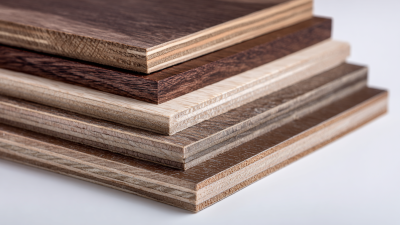
Thin plywood is a wood panel made from several thin veneers bonded in layers. Its thickness commonly ranges from 0.4 to 3 millimeters. The cross-grain structure gives it better stability than a single wood sheet.

It bends easily. In workshops, makers use it for curved lampshades, drawer bottoms, cabinet backs, scale models, and lightweight interior panels. A 1-millimeter sheet can follow a gentle curve around a rounded frame, especially when the grain direction is planned carefully. Thin plywood also works well for furniture surfaces that need a smooth, paint-ready base.

Selection requires more than checking the listed thickness. Measure the panel edge with a caliper, because small variations can affect joints and curved assemblies. Inspect the veneer faces for open cracks, overlapping patches, or rough sanding marks. For humid rooms, choose panels with stable bonding and seal every exposed edge. Moisture often enters through the edges first.

In my experience, the thinnest panel is not always the best panel. It may save weight but tear around screws. Adhesive application also matters; too much glue can cause ripples, while too little can weaken the bond. Testing one small sample before production remains a sensible habit. Some projects still need a stronger core or a protective frame.

China Top 10 Thin Plywood Manufacturers? — What Is Thin Plywood and Where Is It Used?

Thin plywood is plywood produced in relatively small thicknesses, commonly below 6 mm. The exact range depends on the application and construction requirements.

The chart shows representative thickness ranges commonly specified for thin plywood applications. Very thin sheets are often used for model making and lightweight curved components, while thicker thin-plywood panels are frequently used for cabinet backs, drawer bottoms, packaging inserts, and decorative interior panels. Actual specifications vary according to wood species, glue type, number of plies, strength requirements, and applicable standards.

Key Criteria for Evaluating Chinese Thin Plywood Manufacturers

Evaluating China’s top thin plywood manufacturers requires more than comparing export volume or factory photos. Start with the veneer core. Check whether thickness stays consistent across the sheet, especially near the edges. A digital caliper, moisture meter, and small cross-section sample can reveal useful problems quickly. Ask for recent test reports covering bonding strength, formaldehyde emissions, moisture content, and surface flatness. Reports should identify the testing method and production batch.

Factory experience matters, but years in business do not prove stable quality. Review production records, veneer storage conditions, adhesive mixing controls, and pressing temperatures. Well-managed facilities usually separate incoming inspection from final inspection. They can also explain how defective sheets are isolated. Request samples from different production dates, not only one carefully selected bundle. The differences may be uncomfortable, but they are informative.

Reliability also appears in communication. A capable manufacturer answers technical questions directly and provides clear tolerances, packing details, lead times, and corrective-action records. Verify whether the factory can maintain the required thinness during larger orders, because laboratory samples can look better than mass production. Independent inspections and random carton checks add practical evidence. No supplier looks perfect on paper. I would still question unusually clean data, vague test dates, or promises without written specifications. A careful buyer should keep reviewing assumptions, even after the first successful shipment.

China’s Top 10 Thin Plywood Manufacturers

China’s Top 10 Thin Plywood Manufacturers are often evaluated by thickness control, veneer quality, production capacity, and export experience. The strongest suppliers usually produce panels from 1.5 to 6 millimeters thick. Their materials may include poplar, birch, eucalyptus, or mixed hardwood veneers. Each manufacturer should provide clear information about core structure, adhesive type, moisture content, and surface finishing.

In practical sourcing work, I would request samples before comparing prices. A reliable panel should remain flat after cutting and show limited gaps between veneer layers. Moisture content around 8% to 12% is commonly suitable for many interior applications. Buyers should also review formaldehyde test results, grading records, packaging methods, and factory inspection reports. A stable supplier can explain its tolerance limits without vague promises. That matters.

The ten manufacturers in this market are not identical. Some focus on lightweight panels, while others serve furniture, model-making, doors, or interior decoration projects. Production lines with calibrated presses and automatic sanding equipment usually deliver more consistent thickness. However, a modern factory does not guarantee perfect results. I have seen attractive samples fail during repeated bending tests. Buyers should check current batches, not only old certificates. Ranking these manufacturers requires evidence from recent samples, communication records, and shipment performance. Cost still matters, but an unstable core can create expensive waste.

Product Types, Materials, and Manufacturing Capabilities

China Top 10 Thin Plywood Manufacturers?

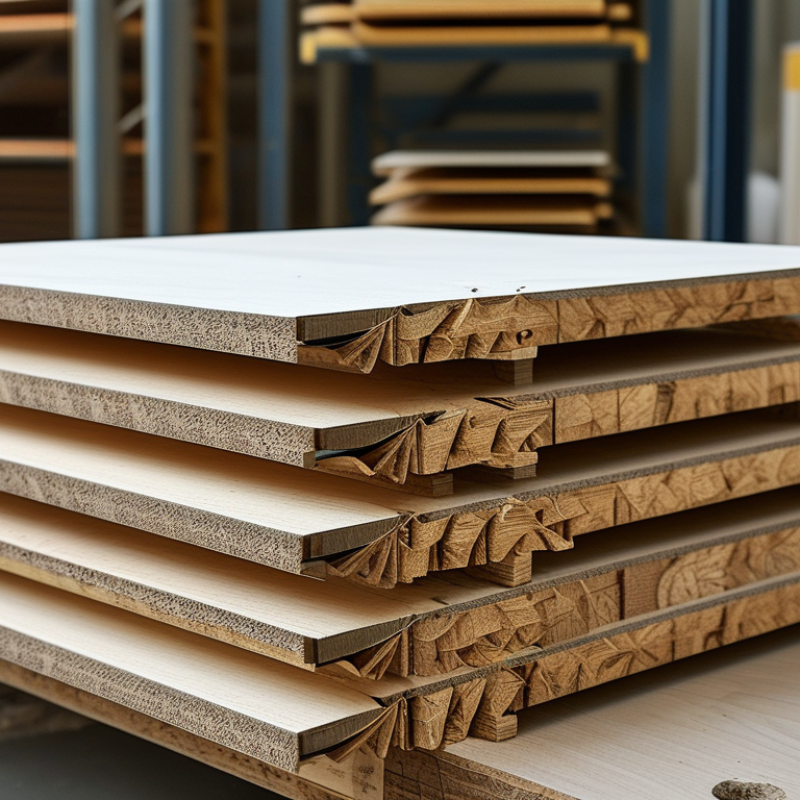
A credible top-ten shortlist should compare products, materials, and production capability, not only factory size. Thin plywood commonly includes flexible sheets, decorative panels, aircraft-grade laminates, and furniture backing boards. Thickness may range from 0.4 to 6 millimeters. Common materials include poplar, birch, eucalyptus, and mixed hardwood veneers. Each option behaves differently during bending, cutting, and bonding.

Experienced manufacturers control veneer peeling, drying, grading, and layer alignment. They should provide stable thickness, smooth surfaces, low formaldehyde emissions, and consistent moisture levels. Production capability also matters. Look for hot pressing, calibrated sanding, CNC cutting, edge sealing, and custom panel sizing. Reliable suppliers can explain glue systems, core construction, testing methods, and tolerances in clear language. Samples matter more than polished claims.

Tips: Ask for recent test reports and a physical sample. Check whether the sample matches mass production. Confirm thickness tolerance, veneer source, packaging, and inspection steps before ordering. A factory may offer impressive machinery but weak process control. That detail is easy to miss. Also, “water-resistant” does not always mean outdoor-grade. Define the actual use, climate, bending radius, and expected service life. Some specifications may need revision after testing, especially when thin panels warp near exposed edges.

How to Select the Right Chinese Thin Plywood Supplier

How to Select the Right Chinese Thin Plywood Supplier

China offers extensive thin plywood capacity, but factory size alone proves little. The FAO Global Forest Resources Assessment 2020 recorded about 220.4 million hectares of forest in China. ITTO’s Biennial Review 2022–2023 also identifies China as a leading plywood producer. This scale creates choice, not certainty.

Start with the plywood’s actual use. Cabinet backs, model parts, packaging, and curved furniture require different veneer grades and bonding strength. Ask for thickness tolerance, moisture content, core species, and adhesive details. Request samples from the same production line. Measure them with a caliper. A 3 mm panel may feel acceptable, yet uneven sanding can ruin assembly.

Check formaldehyde results against the destination market’s rules. Request recent laboratory reports, not screenshots. Verify EN 314 bonding grades, EN 636 requirements, or equivalent local standards when applicable. Review the supplier’s quality-control records, kiln logs, and defect limits. An independent pre-shipment inspection is worthwhile.

Do not judge by price alone.

Compare quotations using identical specifications. Include veneer count, thickness tolerance, sheet size, packaging, and replacement terms. A factory may offer an impressive sample, then outsource the order. Ask who owns the equipment and who performs final inspection. This question is sometimes uncomfortable, but it exposes weak traceability. Also, certification claims need verification. Forest sourcing data can be incomplete, and buyers should admit that limitation before signing.

China Top 10 Thin Plywood Manufacturers? - How to Select the Right Chinese Thin Plywood Supplier

A practical, brand-neutral comparison checklist for evaluating Chinese thin plywood suppliers

No. Evaluation Dimension Typical Requirement for Thin Plywood Priority
1 Product Thickness Range Confirm whether the supplier can consistently produce thin panels, commonly from approximately 0.8 mm to 6 mm, with the required number of veneer plies and calibrated thickness. Review the technical data sheet, approved sample, thickness-tolerance report, and inspection records taken with a calibrated micrometer. High
2 Thickness Tolerance Require a written tolerance suitable for the application. The tolerance should be agreed before production because thin panels are more sensitive to sanding and pressing variation. Measure multiple points on each sample panel and compare the results with the purchase specification and approved limit sample. High
3 Veneer Quality and Construction Veneers should be properly aligned, free from open joints, excessive overlaps, core gaps, delamination, and unacceptable splits. Face grade should match the intended use. Inspect the face and edges of random panels; perform a cross-section check and request veneer grading rules in writing. High
4 Bonding Performance Select the adhesive class according to end use, moisture exposure, and required durability. Structural or exterior applications require more demanding bonding performance than indoor decorative use. Request laboratory test reports and confirm the applicable classification, such as EN 314-2 bonding class where relevant to the product specification. High
5 Formaldehyde and Emissions For regulated markets, specify the required emissions limit and test method. Common market requirements include CARB Phase 2 or TSCA Title VI for the United States and applicable E1 requirements in European markets. Check current third-party test reports, product scope, test date, laboratory accreditation, and whether the report covers the exact panel construction. High
6 Moisture Resistance and Intended Use Define whether the plywood is intended for interior, humid-interior, or exterior conditions. Water resistance depends on veneer species, adhesive, pressing, edge quality, and surface treatment. Review the declared use class, water-resistance test results, technical data sheet, and sample performance after the agreed conditioning or soak test. High
7 Mechanical Properties For load-bearing or formed components, agree on density, modulus of rupture, modulus of elasticity, screw-holding, and bending requirements rather than purchasing by appearance alone. Request test data based on an applicable plywood method, such as ISO 12465 or ASTM D1037, and verify the test direction and specimen conditioning. High
8 Sustainable Wood Documentation If responsible sourcing is required, specify legal timber documentation and any certification requirement, such as FSC or PEFC chain-of-custody documentation. Verify certificate validity, certificate scope, product group, manufacturing site, and consistency between invoice, packing list, and certified product claim. Medium
9 Quality-Control and Production Capability The supplier should control veneer drying, moisture content, glue spreading, hot pressing, sanding, trimming, grading, and final packing. Thin plywood requires particularly careful handling to reduce warping and breakage. Request a production-flow description, inspection plan, batch records, equipment list, corrective-action procedure, and evidence of pre-shipment inspection. High
10 Sampling, Packaging, and Export Service Confirm sample lead time, minimum order quantity, panel dimensions, tolerance, packing method, moisture protection, labeling, loading plan, and agreed Incoterms. Approve a signed limit sample, inspect packaging before shipment, verify carton or pallet markings, and compare shipping documents with the purchase order. Medium