Top 10 Uses for Plywood Sheets You Should Know About
Plywood sheets are an incredibly versatile material that can be utilized in a wide range of applications, making them an essential resource for builders, DIY enthusiasts, and craftsmen alike. Their structural strength, lightweight nature, and cost-effectiveness make plywood sheets an ideal choice for various projects, from furniture construction to home renovations. This introduction aims to explore the top ten uses of plywood sheets, shedding light on their practicality and innovative applications.
Whether you are looking to build a sturdy piece of furniture, create custom cabinetry, or even enhance your home's décor, understanding the diverse functionalities of plywood sheets can significantly expand your toolkit. With their ability to be easily cut, shaped, and finished, these sheets open up a world of possibilities for both professional tradespeople and hobbyists. In this guide, we will delve into the essential uses of plywood sheets that can inspire your next project and drive creativity in your construction endeavors.
Uses of Plywood in Construction: A Comprehensive Overview
Plywood is an incredibly versatile material widely used in construction, known for its strength, durability, and adaptability. One primary use of plywood in construction is as a structural component in framing systems. It is often employed for wall sheathing, providing essential support and stability to the overall structure. By distributing loads evenly, plywood enhances the integrity of buildings, making it a fundamental choice in both residential and commercial projects.
Another significant application of plywood is in flooring systems. Its resilience helps create a solid base for various flooring materials, ensuring durability underfoot. Additionally, plywood is often used in roofing applications, where it serves as the underlayment for shingles or other roofing materials, protecting the building from weather elements. Furthermore, plywood is favored in creating custom furniture and cabinetry, allowing builders and designers to achieve unique looks while benefiting from its structural properties. The ease of cutting and finishing plywood makes it a preferred choice for both aesthetic and functional applications, demonstrating its essential role in modern construction practices.
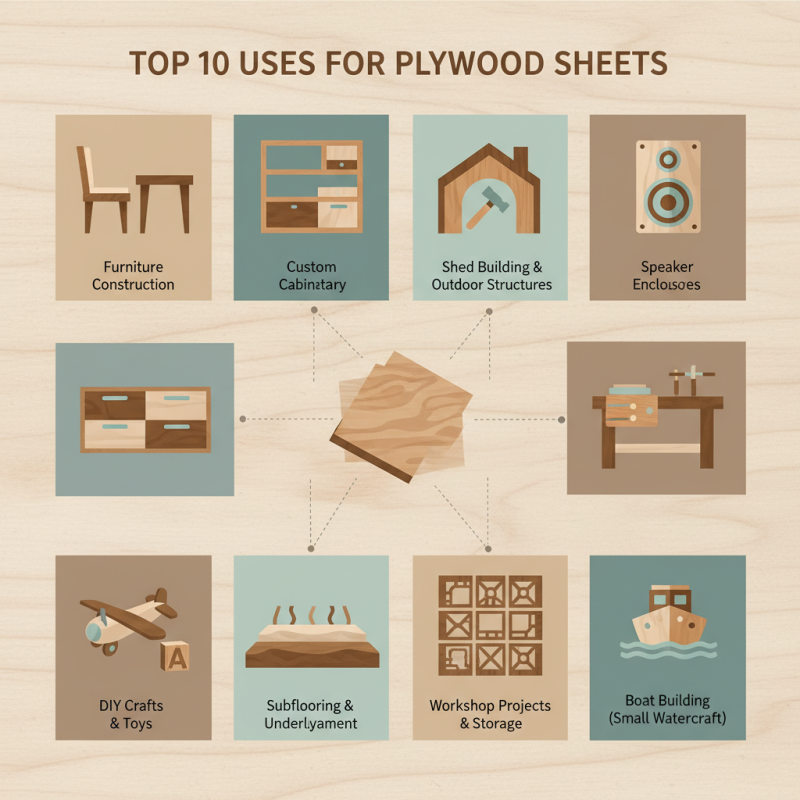
Top 10 Uses for Plywood Sheets You Should Know About
| Use Case |
Description |
Advantages |
| Furniture Making |
Plywood is commonly used to construct desks, tables, and cabinets. |
Durable, cost-effective, and versatile. |
| Flooring |
Used as a subfloor material or as a finished floor product. |
Strong support and good insulation properties. |
| Wall Sheathing |
Plywood panels provide structural support to walls. |
Enhanced stability and protection against elements. |
| Roofing |
Provides a solid base for roofing materials. |
Lightweight and excellent strength-to-weight ratio. |
| Cabinets and Shelving |
Custom cabinetry and shelving units are often made from plywood. |
Allows for creative designs and space optimization. |
| Decking |
Can be used in outdoor decking applications. |
Weather-resistant and aesthetically pleasing. |
| Forms and Molds |
Ideal for creating concrete forms and molds. |
Easily shaped and reusable. |
| Architectural Features |
Used for creating decorative elements in buildings. |
Versatile and can be finished in various styles. |
| Partitions |
Effective for creating temporary or permanent room divisions. |
Quick to install and can be easily customized. |
Innovative Furniture Design: Incorporating Plywood Sheets Effectively
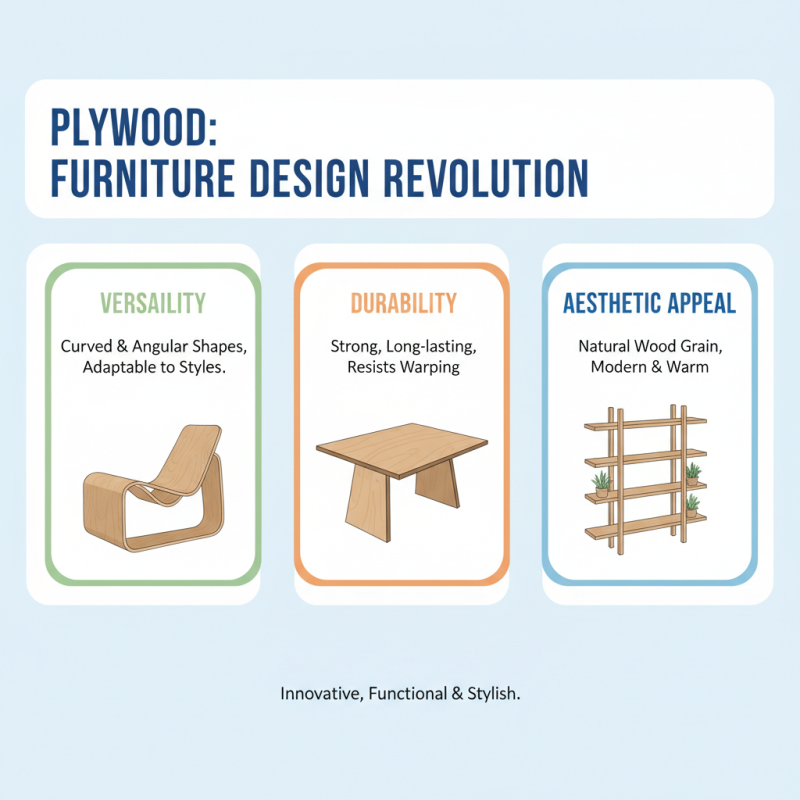
Plywood sheets have emerged as a game-changer in innovative furniture design, thanks to their versatility, durability, and aesthetic appeal. Designers are increasingly utilizing plywood to create functional yet stylish pieces that suit a variety of interior styles. The natural wood grain and flexibility in shaping allow for unique constructions, enabling the creation of chairs, tables, and shelving that stand out in both form and function. By incorporating curves and angles, furniture makers can push the boundaries of traditional designs, resulting in eye-catching pieces that not only serve a purpose but also add character to living spaces.
Moreover, plywood's lightweight nature makes it an excellent choice for modular furniture, which is especially appealing in urban environments where space is often limited. Creative designers are inventing multifunctional solutions, such as expandable tables or collapsible seating, that maximize usability while minimizing clutter. This adaptability is further enhanced by the ease of staining or painting plywood, allowing every piece to fit seamlessly into any color scheme or theme. As innovative furniture design continues to evolve, plywood sheets will undoubtedly play a crucial role in shaping more sustainable and aesthetically pleasing living environments.
Plywood in Interior Design: Aesthetic and Functional Applications
Plywood has gained significant traction in interior design, celebrated for both its aesthetic versatility and practical applications. According to a report by the World Ply Association, the global demand for plywood has been steadily increasing, with a market growth projected at 4.3% CAGR from 2021 to 2026. The ability of plywood to blend seamlessly with various design themes, from minimalist to industrial chic, has made it a favored material among designers and architects alike. Its unique texture and natural wood grain can add warmth and character to spaces, enhancing the visual appeal without compromising on functionality.
Beyond aesthetics, plywood's structural integrity makes it an ideal choice for furniture, cabinetry, and wall paneling. A survey conducted by the American Society of Interior Designers (ASID) found that over 65% of designers prefer using sustainable materials like plywood due to their durability and lower environmental impact. With advancements in manufacturing techniques, plywood can also be treated for moisture resistance, making it suitable for kitchens and bathrooms. This adaptability ensures that plywood remains not only a stylish option but also a long-lasting choice for various applications in interior design.
Building Custom Storage Solutions: Utilizing Plywood Sheets Efficiently
When it comes to building custom storage solutions, plywood sheets are an excellent choice due to their versatility, durability, and ease of use. According to a report by the National Wood Flooring Association, the demand for plywood in construction and DIY projects has surged by over 25% in recent years, suggesting that homeowners and builders are increasingly recognizing the value of this material. Plywood sheets can be easily cut, shaped, and assembled into various designs, making them ideal for crafting everything from simple shelving units to intricate cabinetry.
Employing plywood for custom storage not only maximizes space utilization but also enhances the aesthetic appeal of a home. The American Institute of Timber Construction reports that wooden storage solutions can significantly outperform metal alternatives in terms of thermal insulation and environmental sustainability. When designed thoughtfully, plywood storage systems can be functional without sacrificing style. By using high-quality plywood, builders can ensure longevity and structural integrity, providing a practical and visually pleasing solution that meets varied storage needs. Whether it’s for a garage, closet, or living area, the efficiency of plywood sheets in custom storage builds adds value and organization to any home.
Top 10 Uses for Plywood Sheets
Plywood for DIY Projects: Versatile Uses and Design Tips
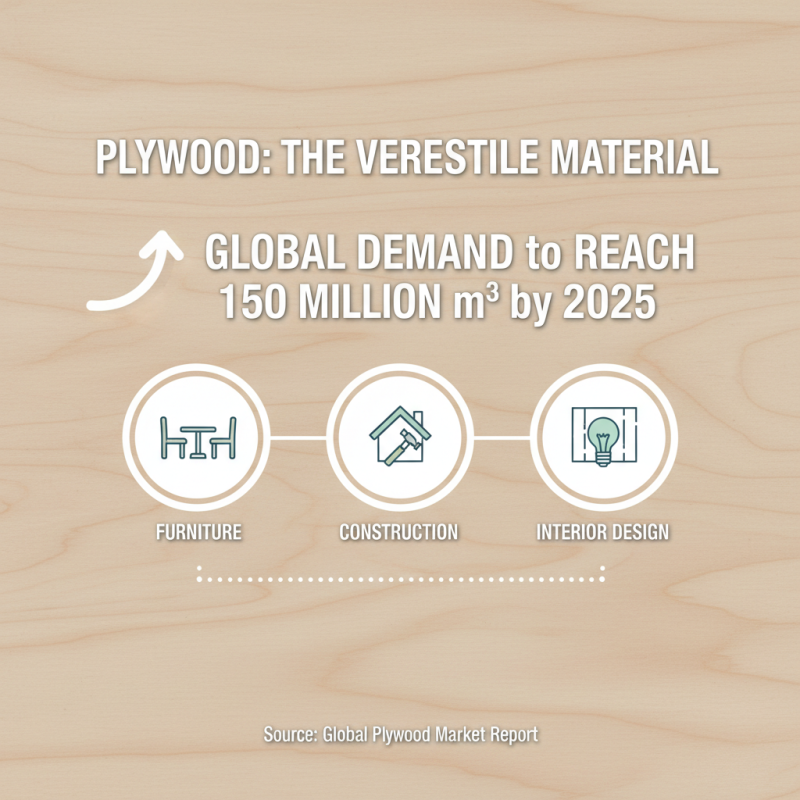
Plywood is an incredibly versatile material that has gained immense popularity among DIY enthusiasts and professionals alike. According to a report by the Global Plywood Market, the demand for plywood is projected to reach 150 million cubic meters by 2025, driven by its applications in furniture, construction, and interior design. This vast versatility makes plywood sheets suitable for a variety of projects, enabling creators to think outside the box and utilize this material in innovative ways.
One of the most popular uses for plywood in DIY projects is creating custom furniture pieces. Its workability allows for easy cutting, shaping, and finishing, which makes it an ideal choice for crafting unique designs. Additionally, the strength-to-weight ratio of plywood offers durability without the cumbersome weight, making it an excellent material for shelves, tables, and storage units. A study by the American Wood Council highlights that properly designed plywood structures can withstand significant loads, further reinforcing its use in residential and commercial furniture.
Beyond furniture, plywood sheets also shine in creative home decor applications, such as wall art, room dividers, and decorative accents. With various finishes and textures available, plywood can complement a range of aesthetics, from rustic to modern. As described in the Interior Design Industry report, integrating plywood into design concepts can enhance visual appeal while providing practical functionality. The adaptability of plywood not only fosters creativity but also encourages sustainable practices, as it is derived from renewable resources and can often be sourced from responsible forestry operations.