10 Best Baltic Birch Plywood Suppliers for Global Buyers?
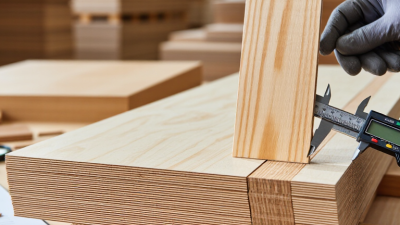
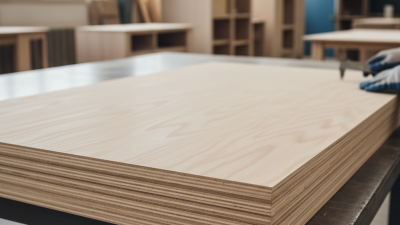
For global buyers, choosing the right baltic birch plywood supplier requires more than comparing online prices. Thickness, veneer quality, core construction, moisture control, and delivery reliability can vary sharply between mills. A clean 18-millimeter panel should show consistent layers, tight edges, and minimal football patches when inspected closely.
The UNECE/FAO Forest Products Annual Market Review 2023–2024 describes continuing volatility in forest-product trade, influenced by freight costs, regional supply changes, and shifting demand. FAO’s Forestry Production and Trade database also shows plywood as a globally traded wood product, making traceability increasingly important for professional buyers. These reports do not rank individual suppliers. They do, however, explain why procurement teams should examine production origin, export experience, and documentation before placing large orders.
This guide evaluates ten baltic birch plywood suppliers for international purchasing. The comparison considers product grades, available thicknesses, face veneer standards, manufacturing capacity, certifications, packaging, lead times, and port access. FSC or PEFC certification may support responsible sourcing, while relevant formaldehyde and product-safety documentation can simplify market entry. Still, certification alone is not proof of consistent performance. Request recent test reports, batch photographs, samples, and references from comparable buyers.
Small details matter. A poorly sealed pallet can arrive with swollen edges after a long sea journey. Some suppliers communicate quickly, but their claims remain difficult to verify. That is worth questioning. Supplier rankings can also change as ownership, raw-material access, and regional trade conditions evolve. This list is therefore a practical starting point, not a permanent verdict.
What Is Baltic Birch Plywood and Why Do Global Buyers Choose It?
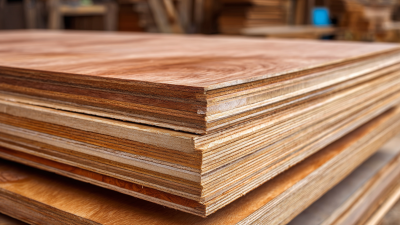
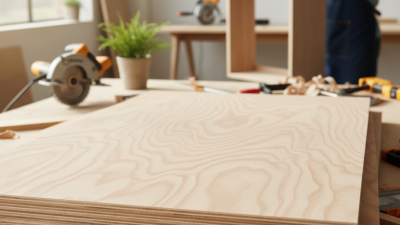
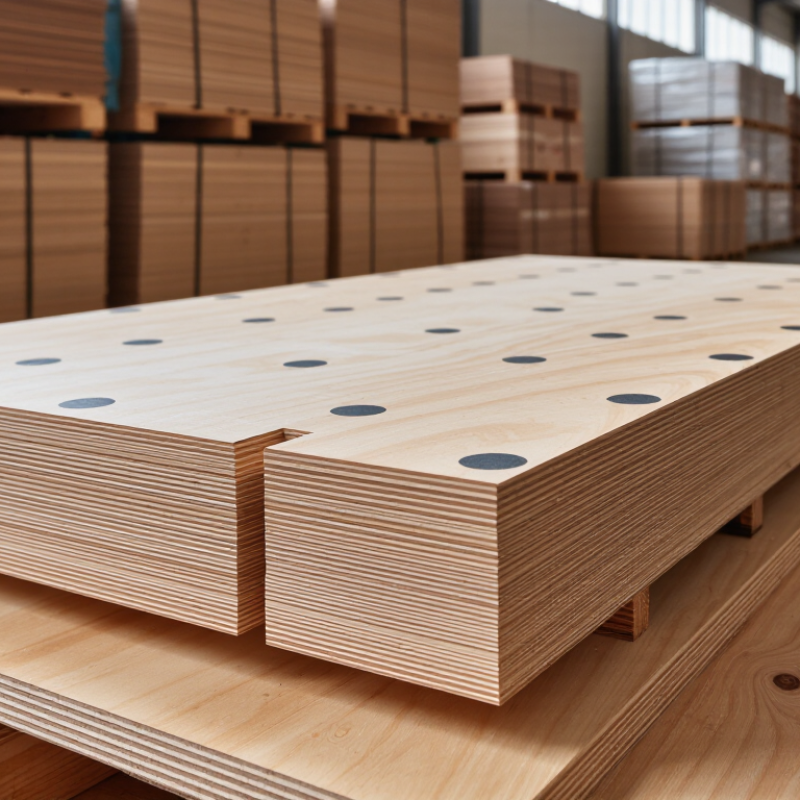
Baltic birch plywood is made from many thin birch veneers, usually cross-bonded for strength. Its light color, smooth surface, and consistent thickness suit furniture, cabinets, drawers, and CNC projects. The edges look clean after cutting, with fewer internal gaps than ordinary construction plywood. That distinction matters.
Global buyers choose it for predictable machining and reliable panel structure. A dense veneer core holds screws well and reduces edge crumbling during drilling. Its stable surface also accepts paint, laminate, and clear finishes with limited preparation. However, “Baltic birch” does not automatically mean waterproof. Adhesive type, panel grade, thickness, and storage conditions affect real performance. Some suppliers use the term loosely, so technical documents deserve careful attention.
Tips:
Ask for veneer construction details, thickness tolerance, formaldehyde data, and moisture classification. Request a small sample before ordering a full container. Check the panel edges for visible gaps, uneven layers, or sanding marks. Confirm packaging strength and humidity protection for long-distance shipping. Do not judge quality by color alone; pale faces can hide inconsistent cores. Certification may also vary by supplier and production batch. A cheaper sheet can become expensive after waste, warping, or failed machining.
10 Leading Baltic Birch Plywood Suppliers for Global Buyers
The ten leading Baltic birch plywood suppliers for global buyers are judged by more than price. Reliable suppliers show clear product data, stable production, and practical export experience. Their panels should have uniform plies, clean edges, and minimal core voids. A good supplier also explains veneer thickness, adhesive type, grade, and moisture range without vague wording.
Global buyers should request samples before placing a large order. Check a cut edge for gaps. Measure thickness at several points. Place the sample in a dry room, then inspect warping after several days. These simple tests often reveal more than polished product photographs. Leading suppliers usually provide inspection reports, packing details, loading photos, and traceable batch information. Strong plywood is useful, but consistent quality matters more.
Packaging deserves close attention. Sheets need dry wrapping, corner protection, and secure pallet bands during ocean transport. Buyers should confirm container capacity, delivery terms, payment stages, and replacement procedures in writing. Certification can support responsible purchasing, but it should be verified through current documents. No ranking is perfect. A supplier may perform well on standard panels yet struggle with unusual thicknesses or urgent schedules. I would leave room for that weakness and test communication before signing a long-term agreement.
10 Best Baltic Birch Plywood Suppliers for Global Buyers
Typical Baltic birch plywood thicknesses and corresponding ply counts used by international buyers for specification checks.
Thicker Baltic birch plywood generally contains more veneer layers, providing increased stiffness and dimensional stability. Buyers should confirm the exact construction, grade, panel size, and certification with each supplier before ordering.
Comparing Product Quality, Pricing, Certifications, and Export Services
Global buyers should compare Baltic birch plywood beyond the invoice price. FAO’s 2022 forest-products data recorded about 405 million cubic metres of wood-based panel production worldwide, with roughly 111 million cubic metres traded internationally. This scale creates many options, but quality varies sharply. Ask suppliers for veneer thickness, core grade, moisture content, bonding class, and calibrated panel tolerances. A practical inspection should check voids, overlaps, edge gaps, warping, and surface repairs under clear light.
Pricing needs a delivered-cost calculation. Include panel cost, packaging, inland transport, ocean freight, insurance, duties, and port handling. UNECE and FAO market reviews show continuing volatility in forest-product prices and freight conditions. Therefore, a quotation valid for only seven days may be realistic. It may also hide risk. Request separate prices for different thicknesses, grades, and order volumes. Compare like with like, not attractive headline prices.
Certification can strengthen buyer confidence, but certificates require verification. Check chain-of-custody documentation for FSC or PEFC claims, and request formal emissions evidence for E1 or equivalent requirements. Export service quality matters too. Reliable suppliers provide moisture-resistant packaging, pallet dimensions, loading photos, mill test reports, and traceable batch numbers. Confirm whether they can arrange third-party pre-shipment inspection and resolve claims with documented procedures. ISO 9001 certification supports process control, but it does not guarantee perfect plywood. That distinction is easy to miss.
How to Select the Right Supplier for Your Project and Market
Choosing among the 10 best Baltic birch plywood suppliers requires more than comparing unit prices. FAO’s Global Forest Products Facts and Figures 2023 places worldwide plywood production at roughly 165 million cubic metres in 2022. That scale creates wide differences in quality, traceability, and delivery reliability. Ask each supplier for recent mill inspection records, batch photographs, moisture readings, and test results. Confirm veneer thickness, core composition, face grade, and allowable repairs. A clean edge is useful evidence, but it is not proof.
Match the panel to its destination market and working conditions. EN 636 classifies plywood for dry, humid, or exterior use, while EN 314-2 evaluates bonding performance. ISO 12465 also provides relevant plywood terminology and requirements. Request testing from an independent laboratory, especially for bending strength, formaldehyde emissions, and moisture resistance. Check whether documents identify the actual production site, not only a trading office. The U.S. EPA’s TSCA Title VI requirements and Europe’s E1 emission limits may affect import clearance and indoor applications. Small details matter.
Compare landed cost, not factory price. Include packaging, fumigation requirements, port handling, insurance, duties, and replacement risk. A supplier promising every grade deserves careful questioning. In practice, I would order a small pilot shipment before committing to a container program. It may delay production slightly. That is still cheaper than discovering warped panels at installation. One uncomfortable point remains: supplier rankings change quickly, and public data can lag behind real factory performance. Verify current evidence before signing.