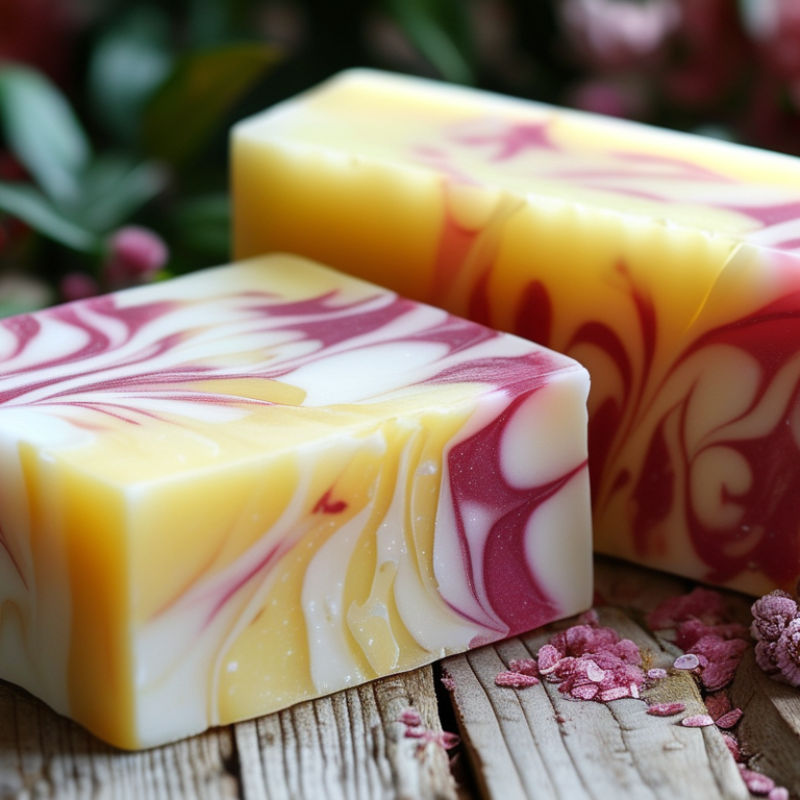
Top Tips for Choosing a Cold Process Soap Manufacturer?
Choosing the right cold process soap manufacturer is crucial for success. It can shape your brand and impact customer satisfaction. A reliable manufacturer ensures quality and consistency in every batch produced.
When selecting a manufacturer, consider their experience in the industry. Look for firms that specialize in cold process soap. They should have a solid track record. It's essential to verify their credentials and see customer reviews. These insights help assess their reliability and expertise.
Pay attention to the manufacturing process itself. Visit their facilities if possible. Observe their hygiene, practices, and quality control measures. This hands-on approach can reveal much. A great manufacturer maintains strict standards. Reflection on these elements will guide your choice wisely.
Factors to Consider When Evaluating Cold Process Soap Manufacturers
When choosing a cold process soap manufacturer, several key factors should guide your decision-making process. Start by examining their experience and expertise in soap-making. Look for manufacturers with a solid background and a portfolio showcasing their craftsmanship. A well-established manufacturer often has refined techniques and an understanding of various ingredients.
Consider the transparency of their processes. A reliable manufacturer should be open about their raw materials and production methods. This insight allows you to assess the quality of the soap. Pay attention to the sourcing of ingredients. Ethical practices in sourcing natural oils and fragrances can have a significant impact on your brand's image.
Evaluate their customer support. Responsive communication reflects a company's commitment to its clients. Ask questions and gauge their willingness to provide clear, thorough answers. This interaction gives you an idea of their professionalism.
Here are some tips: check reviews, investigate their certifications, and ask for product samples. This way, you can gauge the quality of their soaps firsthand. Don’t hesitate to ask for references or case studies to deepen your understanding. Each of these elements can help you in making a thoughtful decision.
Understanding the Importance of Ingredients in Cold Process Soap Production
Choosing the right ingredients is crucial in cold process soap production. Essential oils, natural colorants, and plant-based fats define the soap's quality and effectiveness. Research shows that quality ingredients can enhance skin benefits and overall user experience. A study by the Journal of American Oil Chemists' Society highlights that the choice of oils significantly affects the soap's lather and moisturizing properties.
Sourcing high-quality ingredients requires diligence. Check for certifications like organic or sustainably sourced. Not all suppliers meet industry standards, leading to variations in product performance. For example, natural colorants can provide vibrant hues without harmful chemicals. However, some may unintentionally discolor in the curing process, affecting the visual appeal.
It's important to remember that not all reputable suppliers guarantee quality. A manufacturer's background and ingredient sourcing practices should be evaluated. Transparency is key; ask for ingredient sourcing information. Knowing where and how ingredients are harvested impacts the soap’s efficacy and safety. A manufacturer's commitment to quality can often be reflected in their ingredient choices.
Ingredient Analysis in Cold Process Soap Production
Analyzing Production Capacity and Lead Times of Soap Manufacturers
Choosing the right cold process soap manufacturer requires careful consideration of their production capacity and lead times. According to industry reports, many manufacturers face challenges in meeting rising demand. In 2022, the global soap market grew by approximately 4.5%, highlighting the increasing interest in artisanal and natural soaps. As a result, producers must maintain efficient operations to keep up.
Production capacity can vary significantly among manufacturers. Some can produce batches up to 1,000 pounds per day, while smaller operations may only manage 100 pounds. A lack of clarity about a manufacturer's output can lead to delays. It's crucial to ask about their average lead times for orders. Reports indicate that on average, it takes manufacturers 2 to 4 weeks from order placement to delivery. However, unexpected increases in demand can extend this period.
Understanding how a manufacturer balances quality and volume is key. Some opt for slower production to ensure quality, while others prioritize efficiency. This can pose a dilemma for brands seeking both quality and timely delivery. A careful evaluation of production timelines can reveal risks. Brands must be prepared for potential surprises during the production process, making effective communication essential.
Assessing Quality Control Measures in Cold Process Soap Facilities
When selecting a cold process soap manufacturer, assessing quality control measures is crucial. Quality control ensures that the soaps are consistent, safe, and effective. First, inspect their production processes. A transparent facility that welcomes inspection is a good sign. Look for manufacturers who adhere to good manufacturing practices.
Pay attention to their testing protocols. A reputable manufacturer conducts regular testing for ingredients and final products. This includes checking pH levels and ensuring no harmful substances are present. Ask about their sources for raw materials. Trusted suppliers contribute to better quality and safety standards.
It’s also valuable to examine their certifications. Certifications from recognized organizations can indicate a commitment to quality. However, be cautious as not all certifications imply excellence. Sometimes, manufacturers may hold certifications without consistently meeting high standards. Thus, it's essential to remain proactive in your assessment.
Researching Customer Reviews and Testimonials for Manufacturer Reliability
When choosing a cold process soap manufacturer, customer reviews and testimonials can provide essential insight into reliability. According to a study by the Small Business Administration, about 84% of consumers trust online reviews as much as personal recommendations. This statistic highlights the significance of firsthand accounts. Finding a manufacturer with a solid history of customer satisfaction can greatly impact your business.
Dive deep into various platforms for genuine feedback. Look for patterns in reviews, focusing on product consistency, shipping times, and customer service. Websites like Yelp, Trustpilot, and niche forums often contain valuable pointers regarding a manufacturer’s strengths and weaknesses. Establishing a baseline through comparative analysis adds to the reliability of your decision-making.
However, be wary of overly positive reviews. To maintain credibility, many manufacturers may curate their testimonials. It’s crucial to identify red flags, such as frequent complaints about delayed deliveries or product quality. Engaging in direct conversations with previous clients can yield a clearer picture. Balancing positive and critical perspectives helps you make informed choices while keeping your expectations realistic.
Top Tips for Choosing a Cold Process Soap Manufacturer
| Criteria | Importance Level | Customer Review Example | Rating (1-5) |
| Experience in Industry | High | "Very knowledgeable about natural ingredients." | 5 |
| Quality of Ingredients | High | "The soaps feel luxurious and smell amazing." | 4 |
| Production Capacity | Medium | "Able to meet our bulk orders without issues." | 4 |
| Customer Service | High | "Responsive and helpful with all inquiries." | 5 |
| Shipping Reliability | Medium | "Consistent delivery times and well-packaged products." | 4 |