What is Plywood Direct and How to Source It?
Plywood direct refers to a method of sourcing plywood without intermediaries. This approach can lead to better pricing and quality assurance. Understanding how to effectively source plywood direct is crucial for builders, contractors, and manufacturers.
The plywood market has various suppliers. Identifying a reliable source is often challenging. Consumers must consider quality, cost, and delivery options. A strong relationship with suppliers fosters better communication and trust. This leads to improved decision-making.
Navigating the complexities of sourcing plywood direct requires diligence. Not every supplier meets the necessary standards. It’s important to vet potential sources carefully. Doing so can prevent costly mistakes and ensure project success.
What is Plywood Direct and Its Significance in the Industry?
Plywood Direct plays a crucial role in the construction and manufacturing sectors. This method provides an efficient way for builders and suppliers to connect directly with manufacturers. By skipping intermediaries, costs often decrease, which can enhance profit margins for businesses. According to a report by Grand View Research, the global plywood market is expected to surpass USD 80 billion by 2027, reflecting increased demand for affordable building materials.
The significance of Plywood Direct lies in its potential to streamline supply chains. Companies can gain better pricing and more tailored products. A more direct source allows for quicker turnaround times, benefiting project timelines. Research from Mordor Intelligence indicates that eco-friendly plywood products are becoming more prevalent, responding to industry shifts towards sustainability. Many manufacturers are exploring alternative materials, which enriches the market but can also create complexity in sourcing.
However, challenges exist. Sourcing Plywood Direct requires a deep understanding of material quality and supplier reliability. Businesses must critically assess their partners to avoid risks, such as delays or subpar products. Developing an informed strategy for sourcing can mitigate these risks. It’s not just about price; craftsmanship and product performance are equally important. Thus, the focus should be on long-term relationships and thorough due diligence.
Types of Plywood Available Through Direct Sourcing: An Overview
Plywood, a versatile material, comes in various types. When sourcing plywood directly, understanding these types is crucial. Typically, plywood is classified based on its wood species, layers, and intended use. Common types include hardwood, softwood, and specialty plywood. Each type has different characteristics suited for unique projects.
Hardwood plywood is dense and known for its durability. It is excellent for fine furniture and cabinetry. According to a 2022 industry report, hardwood plywood accounted for 30% of total plywood production in North America. On the other hand, softwood plywood, often used in construction, is lighter and more cost-effective. It represented about 50% of North America's plywood market share.
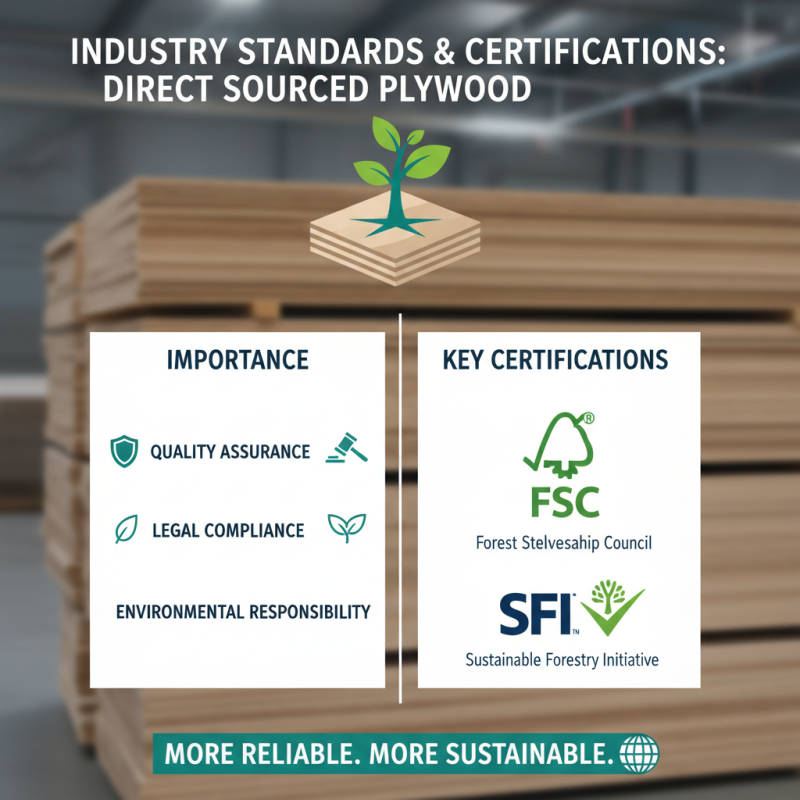
When sourcing plywood, pay attention to the grade. Grades affect quality and appearance. Higher grades are more consistent and free from defects. A tip: inspect samples before purchasing to ensure they meet your project requirements. Also, consider environmental certifications, as sustainability is becoming increasingly important in this industry.
Proper sourcing can save costs and improve project outcomes. However, not every supplier offers the same quality. Research various suppliers and seek reviews from industry professionals. This approach helps ensure reliability and satisfaction in your plywood sourcing journey.
Key Benefits of Sourcing Plywood Directly from Manufacturers
Sourcing plywood directly from manufacturers offers distinct advantages. It establishes a direct line of communication, ensuring clarity in specifications and expectations. This eliminates the risk of misinterpretation that often arises with intermediaries. When you engage directly, you can ask questions and address concerns promptly.
Additionally, sourcing plywood directly often results in cost savings. Without middlemen, prices can be more competitive. This can make a significant difference, especially for large projects. However, it requires careful negotiation and research. Understanding the market rates and material requirements is essential to maximize these savings.
Another benefit is quality control. When sourcing directly, you have the opportunity to inspect the materials before purchase. This can lead to better product quality. However, not all manufacturers maintain high standards. It's important to vet suppliers thoroughly. Seek references and reviews. Your decision should align with your project needs and standards. This thoughtful approach ensures a successful sourcing experience.
Benefits of Sourcing Plywood Directly from Manufacturers
Cost Analysis: Comparing Direct Sourcing with Traditional Retail Channels
When considering plywood sourcing, a cost analysis reveals important insights. Traditional retail channels often come with higher markups. In contrast, direct sourcing can significantly reduce expenses. Direct connections to manufacturers offer competitive pricing. However, buyers should be cautious. Sourcing directly may involve hidden costs not immediately obvious.
Tips for effective direct sourcing include researching multiple suppliers and comparing quotes. Ensure you understand the materials and specifications. Knowledge about quality standards can prevent poor purchases. Another point to ponder is the potential for longer lead times. While savings are attractive, delays can impact project timelines. It’s essential to factor this into your decision-making.
When navigating this process, don't overlook customer service. A reliable supplier can aid in addressing issues and provide valuable insights. Always assess the supplier’s reputation. Transparent communication leads to better partnerships. Ultimately, weighing these factors is crucial to a successful sourcing experience.
What is Plywood Direct and How to Source It? - Cost Analysis: Comparing Direct Sourcing with Traditional Retail Channels
| Sourcing Method |
Cost per Sheet ($) |
Average Delivery Time (Days) |
Minimum Order Quantity |
Quality Rating (1-5) |
| Plywood Direct |
30 |
5 |
50 sheets |
4.5 |
| Traditional Retail |
50 |
3 |
10 sheets |
4.0 |