What is a Packaging Line and How Does it Benefit Your Business?
A Packaging Line is a critical component in modern manufacturing processes. This system streamlines the packaging of products, enhancing efficiency and reducing labor costs. With an effective Packaging Line, businesses can improve their output and maintain high-quality standards.
Companies often overlook the complexities involved in setting up a Packaging Line. Effective integration demands careful consideration of machinery, workflow, and employee training. A poorly designed line can lead to bottlenecks and wasted resources. It’s vital to evaluate each element carefully.
Investing in a Packaging Line can pay dividends in the long run. It can increase product shelf life and improve presentation. However, businesses should regularly assess their systems for potential improvements. With ongoing reflection and adaptation, a Packaging Line can significantly contribute to a company's success.
What is a Packaging Line and Its Core Components in Manufacturing?
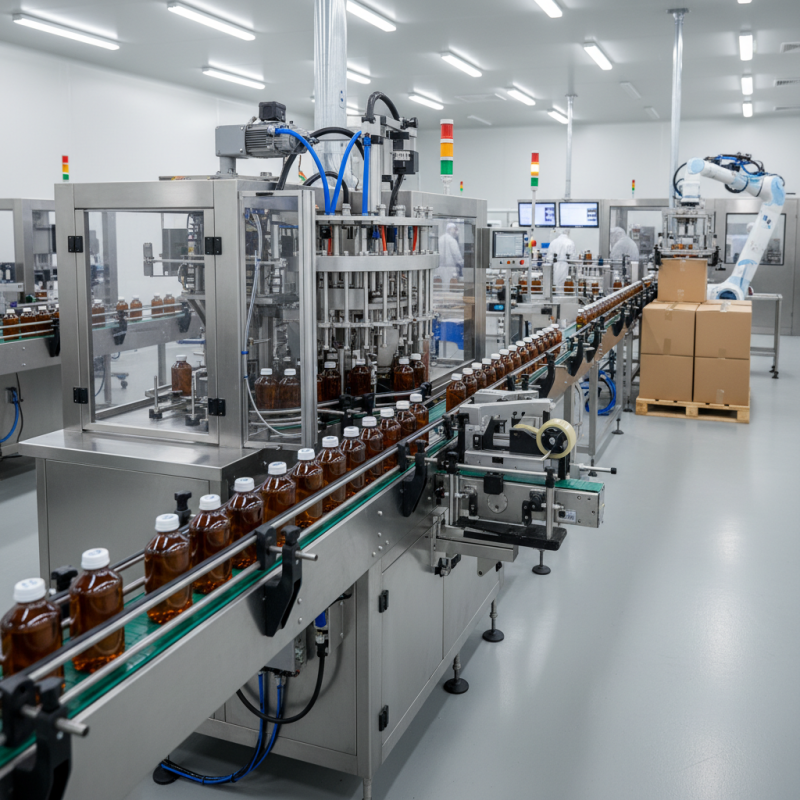
A packaging line is a critical component of the manufacturing process, consisting of various pieces of equipment working together. Key components include filling machines, labeling systems, and packaging materials. Each part plays a pivotal role in ensuring efficiency and product integrity. According to a report from the Packaging Machinery Manufacturers Institute, automation in packaging can improve production speeds by up to 30%.
However, not all packaging lines are created equal. Some may lack the flexibility needed for diverse product ranges. Businesses often face challenges during scale-up phases. A report by Markets and Markets indicates that approximately 40% of companies experience bottlenecks when integrating new products into existing lines. This highlights the importance of assessing line compatibility and adaptability.
Furthermore, maintenance and downtime can pose significant risks. A poorly maintained line can lead to recalls, impacting customer trust. The Food and Drug Administration reports that around 30% of product recalls are due to packaging errors. Companies must prioritize regular audits and updates to mitigate these issues. Balancing automation with human oversight often leads to improved reliability in the packaging process, thereby enhancing overall operational success.
What is a Packaging Line and Its Core Components in Manufacturing?
| Component | Description | Benefits | Impact on Business |
| Conveyor System | A mechanical device that transports products through different stages of the packaging process. | Increases efficiency by automating movement, reducing manual handling. | Faster production rates lead to higher output and potential revenue growth. |
| Filling Machine | Machines that accurately dispense products into packaging containers. | Reduces product waste and ensures consistent fill levels. | Improved customer satisfaction due to product quality and consistency. |
| Labeling Machine | Applies labels to packed goods accurately. | Enhances product identification and branding. | Improved market presence and compliance with regulations. |
| Wrapping Machine | Wraps products for protection during transportation and storage. | Prevents damage and preserves product integrity. | Reduces losses and enhances supply chain efficiency. |
| Quality Control Stations | Ensures products meet quality standards through inspections. | Identifies defects before products leave the facility. | Minimizes returns and boosts brand reputation. |
| Automated Control Systems | Technology that monitors and controls packaging processes. | Enhances coordination and oversight of the entire packaging line. | Increases productivity and reduces downtime. |
Key Advantages of Implementing a Packaging Line in Production Efficiency
A packaging line is crucial for streamlining production processes. By automating various tasks, businesses can significantly enhance their efficiency. According to a report from the Packaging Machinery Manufacturers Institute (PMMI), 70% of manufacturers have seen a marked increase in output after implementing a packaging line. Each step, from filling to sealing, becomes more reliable and faster. This efficiency is vital in meeting consumer demand.
Implementing a packaging line can also reduce labor costs. A study from the Freedonia Group indicates that automated packaging solutions can decrease labor expenses by up to 30%. This allows companies to allocate resources to other critical areas. However, initial investment costs can be high. Businesses must evaluate return on investment closely. Some companies experience challenges when integrating new systems with existing processes. It's essential to consider training for employees to maximize system benefits.
Maintaining a packaging line requires continuous monitoring. Industry data shows that routine maintenance can extend equipment life by 40%. This means fewer unexpected downtimes and operational hiccups. However, organizations often overlook this aspect, leading to complications. Regular updates and staff training sessions are necessary for keeping the line operating efficiently. Continuous reflection on the system's performance is key to sustaining its advantages.
Industry Insights: Impact of Automation on Packaging Line Performance
Automation significantly enhances packaging line performance, addressing the rising demand for efficiency. A report by McKinsey & Company indicates that automation can increase productivity by up to 20-30%. This shift not only improves output but also reduces labor costs. In industries such as food and beverage, a seamless packaging process is crucial for maintaining freshness and quality. Automation minimizes human error, leading to fewer product recalls and better customer satisfaction.
Investing in automated systems can be daunting for some businesses. The initial costs and training requirements may raise concerns. However, studies from the Institute for Supply Management reveal that approximately 70% of organizations experience improved operational efficiency after integrating automation. As firms adapt, they often find that the return on investment justifies the upfront expenditure.
Moreover, it is essential to consider the adaptability of these systems. Many solutions require customization to fit specific needs. The complexity can create challenges during implementation. Yet, with careful planning and execution, businesses can leverage automation to streamline operations. The landscape of packaging is evolving, and being proactive will determine who thrives in this competitive market.
Cost-Benefit Analysis: Investing in Advanced Packaging Technologies
Investing in advanced packaging technologies can dramatically enhance your business operations. A comprehensive cost-benefit analysis reveals the potential advantages. For instance, automation streamlines production, reducing labor costs over time. This shift can also lead to higher accuracy in packaging, minimizing waste.
Yet, such investments require careful consideration. The initial costs may seem daunting for some businesses. However, the long-term benefits often outweigh the upfront expenses. For example, upgraded machinery may improve efficiency by 30%, translating into faster turnaround times.
Another factor is sustainability. Eco-friendly packaging solutions are gaining popularity. They can attract environmentally conscious consumers. Businesses may face challenges in balancing cost and sustainability. Nonetheless, advanced packaging systems can offer innovative solutions that meet these demands. Evaluating these aspects is essential for any forward-thinking business.
Case Studies: Successful Packaging Line Transformations in Various Sectors
In manufacturing, a well-designed packaging line can significantly enhance operations. One notable case study involved a beverage company that transformed its packaging line. By implementing automated bottling and labeling systems, they reduced manual labor. This led to a 30% increase in productivity. Yet, the transition was not without challenges. Staff had to adapt to new technologies, sparking resistance at first.
Another example is a cosmetics brand that reconfigured its packaging line. They introduced modular components to allow quick changes for different products. This agility improved their response to market demand. However, not all products fit the new system well. Some styles still required traditional methods, which created inconsistencies in quality. This highlighted the need for continuous improvement and regular feedback.
A food manufacturer also revamped its packaging line, integrating smart sensors for better monitoring. This enhanced quality control. However, the initial setup costs were high. Over time, the savings in waste and errors proved beneficial. The project prompted the company to rethink their approach to technology. These examples illustrate the potential benefits and potential pitfalls of optimizing packaging lines.
Impact of Packaging Line Improvements on Efficiency and Cost Savings
This chart illustrates the improvements in efficiency and cost savings following the transformation of packaging lines in various sectors. As seen, the efficiency has increased from 60% to 85%, while cost savings rose from $2,000 to $5,000 per month after implementing advanced packaging solutions.