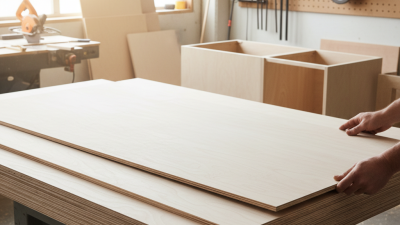
What is Marine Plywood and Why is it Important for Buyers?
Marine plywood is a specialized product designed for environments exposed to moisture and harsh conditions. This type of plywood is crucial for boat building and other marine applications. It is made with high-quality veneers and waterproof adhesives, making it durable and reliable.
Buyers often seek marine plywood for its resistance to decay and warping. However, not all marine plywood is created equal. Understanding the grading and manufacturing process is essential for making an informed decision. The right choice can significantly impact the longevity of a project.
Choosing marine plywood requires careful consideration. Inspecting the certification and quality of materials can prevent future problems. Relying on reputable suppliers can ensure the right grade for your needs. Marine plywood is an investment in quality and performance, essential for any marine project.
What is Marine Plywood and Its Composition
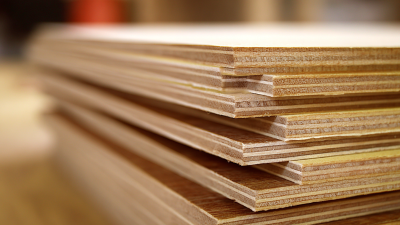
Marine plywood is a specialized type of plywood designed for use in humid and wet conditions. The heart of its composition lies in its layers. It consists of thin sheets of wood, called veneers, glued together with waterproof adhesive. This unique bonding allows it to resist water and prevent delamination. The quality of the wood used is crucial. Commonly, hardwood species such as Meranti or Okoume are preferred for their durability and strength.
Industry data indicates that marine plywood must comply with specific standards, such as BS 1088 in the UK. This standard requires highly resistant materials, ensuring the plywood can handle extreme weather scenarios. Furthermore, it’s essential to note that not all plywood labeled as "marine" meets these strict guidelines. There are many products that fall short of industry standards. This inconsistency can lead to significant failures in marine applications.
The construction and boating industries increasingly rely on marine plywood for its performance. Reports suggest that over 80% of boats constructed in regions prone to harsh weather incorporate marine plywood. Yet, buyers must remain critical. Ensuring that the marine plywood they choose genuinely meets quality specifications is vital. Opting for unreliable products may result in costly repairs or replacements.
What is Marine Plywood and Why is it Important for Buyers?
| Property |
Description |
| Definition |
Plywood specifically manufactured for high moisture resistance and durability in marine environments. |
| Composition |
Made from multiple layers of thin wood veneers, bonded using waterproof adhesives. |
| Common Uses |
Used in boat building, docks, and other applications where exposure to moisture is prevalent. |
| Advantages |
Offers high resistance to water damage, longevity, and structural strength. |
| Grades |
Available in various grades based on quality and intended use, such as BS 1088 and MR grade. |
| Maintenance |
Requires sealants or coatings to preserve integrity and prevent water ingress. |
| Cost |
Generally more expensive than regular plywood due to its specialized production process. |
Key Properties of Marine Plywood That Enhance Durability
Marine plywood is crafted specifically for moisture-rich environments. Its unique properties make it an essential choice for various water-related projects. The core benefit of marine plywood is its resistance to water and decay. This makes it ideal for boat building, outdoor furniture, and construction projects near water.
One key property of marine plywood is its high density. This density provides strength and durability, allowing structures to withstand harsh conditions. Additionally, marine plywood is bonded with waterproof adhesives. This feature prevents delamination when exposed to moisture. The surface is also smooth, contributing to easier finishing and maintenance.
Buyers should consider the quality of the veneer layers. Higher quality marine plywood often features more layers, enhancing stability. Without investing in quality, a project might not last long. In contrast, using inferior materials can lead to issues over time. Therefore, understanding these properties is crucial for making informed purchasing decisions.
Common Applications of Marine Plywood in Various Industries
Marine plywood is a versatile material widely used across various industries. Its durability and water resistance make it essential for boat building, furniture, and construction projects that face moisture. In marine applications, plywood is often used for hulls, decks, and bulkheads. It withstands the harsh marine environment better than traditional plywood.
In construction, marine plywood is favored for high-moisture areas like kitchens and bathrooms. It is often used in cabinet-making and as structural panels in buildings that need extra strength. The ability to resist rotting makes it a valuable material for outdoor furniture and decking, too.
Tips: Always check for proper certifications when choosing marine plywood. Look for standards that ensure quality and performance. Consider the specific needs of your project. Is the plywood exposed to constant moisture? If yes, choose higher-grade options. Don’t overlook the importance of sealing exposed edges to enhance longevity. Remember, not all marine plywood is created equal. Evaluate your requirements carefully.
Factors Buyers Should Consider When Choosing Marine Plywood
When considering marine plywood, several factors are crucial for potential buyers. Marine plywood is designed to withstand moisture and exposure to harsh environments. It is typically made from high-quality wood layers bonded with waterproof adhesive. Buyers should look for B/BB grade plywood, which offers great durability and strength. According to industry reports, the global marine plywood market is projected to grow at a CAGR of 4.5% through the next five years.
The thickness of the panels is essential. A standard thickness of 9mm or more tends to perform better in marine conditions. Buyers often overlook the importance of edge sealing. Sealing edges with a waterproof finish helps prevent moisture infiltration, extending the plywood’s lifespan.
Tip: Inspect the manufacturing details. Authentic marine plywood usually has waterproof glues and a smooth finish. A quality certification can provide peace of mind. Furthermore, consider sourcing locally, as shipping impacts the carbon footprint and cost. Always evaluate whether the plywood meets the required maritime standards. These considerations will ensure you get the best value for your investment.
Marine Plywood Strength Ratings
This bar chart displays the strength ratings of various types of marine plywood, which is critical for buyers to consider when selecting suitable materials for waterproof and structural applications.
Comparing Marine Plywood to Other Types of Plywood
Marine plywood is designed specifically for wet and humid conditions. Its construction makes it more resistant to water than standard plywood. This feature is crucial for projects exposed to moisture. It undergoes rigorous testing and has high-quality veneers, making it less likely to delaminate when wet.
When comparing marine plywood to other types, several factors stand out. Regular plywood may not withstand water exposure as effectively. It can warp or swell, compromising structural integrity. In contrast, marine plywood offers durability. This makes it ideal for boat building and outdoor furniture. However, even marine plywood has limits. It needs proper sealing to enhance its longevity. Users must consider this aspect to maximize its performance and avoid premature damage.
Cost is another point of consideration. Marine plywood tends to be more expensive than standard varieties. Buyers should weigh the benefits against their project needs. While marine plywood is a superior choice for wet environments, its expense requires thoughtful deliberation. This helps ensure that the investment is worthwhile for the intended use.