
Blog

How to Choose SPC Wall Panels in 2026?

Choosing an Spc Wall Panel in 2026 means looking beyond color samples and showroom lighting. Check the panel’s thickness, surface finish, locking or installation system, and care instructions. Ask for product specifications and samples before comparing prices. A warm oak print may look convincing under soft lighting, yet appear very different beside a bright window. Small details matter.

As a practical buying principle, building-materials consultant “Alex Morgan” might put it this way: “A good panel should suit the room, install reliably, and come with clear product information.” This is an illustrative quotation, not a verified statement from a named industry expert. For a trustworthy choice, confirm technical claims with the manufacturer and review warranty terms, intended use, and installation requirements. Not every attractive panel fits every wall.

This guide explores how to compare Spc Wall Panel options in 2026, from appearance and dimensions to installation and everyday upkeep. It also considers questions worth asking suppliers, such as how panels handle moisture and what preparation the wall needs. One caution: product labels can make similar panels sound identical, while specifications and support may differ. Checking those details takes time, but skipping them can leave you with a finish that disappoints.
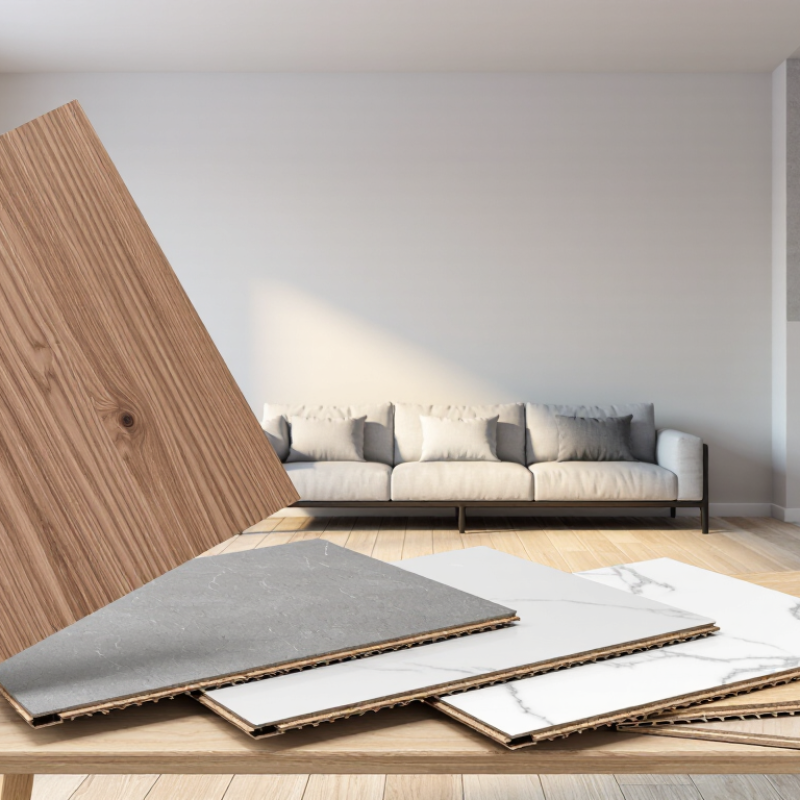
How to Choose SPC Wall Panels in 2026?

Define Your Project Needs and Installation Conditions

How to Choose SPC Wall Panels in 2026?

Define Your Project Needs and Installation Conditions

Choosing SPC wall panels should begin with the room, not the appearance. Measure each wall and record door heights, corners, outlets, and existing trim. A bathroom needs strong moisture resistance and sealed joints. A busy hallway needs a durable surface that cleans easily. Kitchens may require panels that tolerate grease, steam, and frequent wiping. Match the panel thickness, surface finish, and fire-performance data with the project requirements. Always review current product specifications and local building standards.

Installation conditions can change the result. Inspect the wall for dampness, loose plaster, dust, and uneven areas. SPC panels need a stable, reasonably flat surface. Use a moisture meter where humidity is uncertain. Allow panels to acclimate indoors according to the installation instructions. Keep the room within the recommended temperature range. Leave suitable movement gaps around floors, ceilings, corners, and fixed objects. Plan electrical cutouts carefully. Small errors become visible quickly.

Tips: Sketch the wall before cutting. Check every measurement twice. Use a straightedge to find high spots. Dry-fit corner pieces first. Do not assume old walls are square. Real rooms are rarely perfect. If heating pipes or cables sit behind the wall, identify them before drilling. When conditions remain unclear, ask a qualified installer to inspect the surface and confirm the installation method.

Understand SPC Wall Panel Materials and Construction

Choosing SPC wall panels in 2026 requires more than comparing colors and prices. Material structure matters.

SPC usually combines calcium carbonate, PVC resin, stabilizers, and pigments. Its rigid core resists moisture and movement better than many traditional wall coverings. However, formulation quality varies widely.

Plastics Europe reported 413.8 million tonnes of global plastics production in 2023. This figure shows why material efficiency and recyclability deserve attention during selection. A 2024 market assessment valued the global PVC market at approximately US$42 billion. Buyers should request composition data, recycled-content statements, and safety test results. Vague specifications create avoidable risks.

Construction quality matters just as much.

The panel should have a stable core, consistent thickness, accurate edge profiles, and a suitable surface layer. Check testing against ASTM E84 for surface burning characteristics, where applicable. Also review dimensional stability, impact resistance, and moisture performance.

I once underestimated wall flatness on a renovation project. The panels looked simple to install, but uneven masonry exposed every joint. That mistake changed my checklist.

Measure the substrate first. Leave the specified expansion gap. Use compatible adhesives and trims.

A cheaper panel may still fail when its locking edges deform or its backing separates.

Look for batch consistency, installation guidance, and independent laboratory reports. The paperwork should match the physical sample.

Compare Panel Dimensions, Surface Finishes, and Performance

How to Choose SPC Wall Panels in 2026?

Panel dimensions affect both installation speed and visual balance. Large panels create fewer joints and a calmer appearance. However, they need flatter walls and careful handling. Smaller panels suit narrow rooms and detailed layouts, but they increase seam lines. Measure wall height, corner locations, and door openings before ordering. A 2024 Grand View Research report projects strong growth in the SPC flooring market through 2030, reflecting wider demand for rigid, water-resistant surfaces. Wall-panel buyers should still avoid treating market growth as proof of product quality.

Surface finish changes the room’s practical character. Matte stone textures hide fingerprints better than glossy finishes. Embossed wood patterns can look convincing under side lighting, yet deep textures may collect dust. Request physical samples. Digital images often soften color differences. I have seen pale panels appear colder in offices than in showrooms.

Performance requires measurable evidence. Check water absorption, dimensional stability, impact resistance, and fire classification. Ask for test methods, not vague claims. ASTM and ISO-based reports are more useful than phrases like “premium waterproof.” The U.S. Environmental Protection Agency reports that indoor pollutant levels can be two to five times higher than outdoors, so low-emission documentation deserves attention. Thicker panels are not automatically stronger. Installation quality matters more than many buyers expect. I still think this is where specifications become confusing.

Verify Safety Standards, Certifications, and Product Quality

How to Choose SPC Wall Panels in 2026?

Verify Safety Standards, Certifications, and Product Quality

In 2026, safety evidence should guide your SPC wall panel purchase. Ask for the exact standard number, test date, laboratory name, and product code. Check reports for formaldehyde emissions, volatile organic compounds, fire performance, and heavy metals. Requirements differ between countries, so confirm them with local building authorities.

A certification is useful only when its scope matches the panel you will install. Compare the report with the carton label, thickness, surface finish, and production batch. An online badge proves very little. Request original documents from an accredited testing laboratory. Also inspect a physical sample under strong light. Look for flat edges, even printing, stable locking areas, and consistent thickness.

Smell the sample.

A sharp chemical odor deserves attention, even when paperwork looks complete. Press the surface gently and check whether it dents too easily. Review installation instructions, indoor-use limits, fire ratings, and cleaning restrictions before ordering. Ask how quality is controlled between batches, because one approved sample cannot represent every shipment. I would also keep photographs, invoices, and test documents for future reference. My own judgment can be wrong, especially when product data is incomplete. That is why independent verification matters before installation.

How to Choose SPC Wall Panels in 2026: Verify Safety Standards, Certifications, and Product Quality

ASTM E84 surface-burning classifications use flame-spread index (FSI) ranges shown below. For these classes, the smoke-developed index (SDI) limit is 450. Lower FSI values fall into the more restrictive class ranges.

Use this chart as a reference, not a universal pass/fail rule: applicable building-code requirements depend on the project and installation. Ask for current test reports and verify that they cover the exact panel and assembly being considered. Also check applicable emissions requirements, product documentation, and installation instructions.

Assess Installation Requirements, Warranty, and Total Cost

How to Choose SPC Wall Panels in 2026?

Assess the wall before comparing panel prices. A damp basement wall, uneven masonry, or dusty surface may need treatment first. Measure vertical and horizontal levels with a laser or long spirit level. Small errors become visible around doors and bright lighting. Check whether the room needs ventilation gaps, moisture control, fire-rated materials, or approved fixing methods. Local building requirements still matter in 2026. Installation guides should state substrate limits, expansion gaps, cutting tools, and suitable adhesives. Ask an experienced installer to inspect the site, not only the product sample.

Warranty terms deserve careful reading. Confirm the coverage period and whether it includes color change, joint movement, moisture damage, or surface peeling. Many warranties exclude poor preparation, excessive heat, and incorrect cleaning chemicals. Keep purchase records, batch information, and installation photographs. These details can support a legitimate claim. A short warranty is not always weak, but vague exclusions are concerning. I have seen attractive panels fail because the wall behind them was ignored. That mistake is expensive.

Calculate the total cost, not just the square-meter price. Include leveling compound, trims, corner profiles, adhesive, delivery, cutting waste, labor, and future repairs. Add roughly ten percent for waste when the room has many corners or outlets. Compare maintenance needs too. A cheaper panel may require more careful cleaning or replacement after impact. Ask for a written quotation with every allowance listed. Quotes can be imperfect. Recheck them against actual room measurements before ordering.

How to Choose SPC Wall Panels in 2026? — Assess Installation Requirements, Warranty, and Total Cost

Wall Project Installation Requirements Warranty Checks Indicative Installed Cost (USD/sq. ft.) Key Cost Risks Best Fit
Dry feature wall Use a clean, dry, stable substrate. Confirm the panel system’s approved adhesive or fixing method, and follow its instructions for joints, edge trims, and movement gaps. Check coverage for residential interior use, delamination, and manufacturing defects. Confirm whether approved adhesives and installation methods are required to keep coverage valid. $8–$19
Panels: $3–$8; trims and adhesive: $1–$3; labor: $4–$8.
Decorative trims, unusual wall layouts, and extra cuts can increase labor and material waste. Accent walls and other interior areas not exposed to direct water.
Bathroom wall outside the shower Check for moisture damage and correct it before installation. Seal edges and penetrations as specified for the panel system; do not assume the panels make the wall waterproof. Verify that the product is approved for bathroom humidity and review any restrictions on ventilation, cleaning products, and edge sealing. $9.50–$22
Panels: $3–$8; trims, adhesive, and sealant: $1.50–$4; labor: $5–$10.
Substrate repairs, plumbing cutouts, and extra sealing work may add cost. Bathroom areas with humidity but no regular direct water exposure.
Shower or other direct-wet area Use only a panel system specifically approved for direct-wet applications. Follow its complete waterproofing, joint, corner, and penetration details; verify local code requirements. Confirm that the warranty explicitly covers the intended wet-area use and lists the required waterproofing components and installation conditions. $12–$29
Panels: $3–$8; waterproofing, trims, and sealants: $3–$9; labor: $6–$12.
Waterproofing, detailed joints, fixtures, and any required substrate work can make this the most installation-sensitive option. Wet areas only when the complete system is approved for that use.
Uneven or damaged existing wall Assess whether the substrate needs patching, leveling, or furring before fitting panels. Do not use panels to conceal active leaks, dampness, or unstable surfaces. Check whether installation over furring or repaired surfaces is permitted and whether substrate conditions affect coverage. $12–$31
Panels: $3–$8; leveling or furring: $2–$8; trims and adhesive: $1–$3; labor: $6–$12.
Hidden wall damage and the amount of leveling required are major sources of budget changes. Renovations where the existing wall needs preparation before a finish can be installed.
Cost and warranty note: Cost ranges are indicative 2026 U.S. planning estimates per square foot, not a local quote. Actual prices vary by location, project size, panel specification, labor rates, and wall condition. Estimates exclude demolition, taxes, and major hidden repairs unless listed. Warranty terms differ by product; review the written coverage, exclusions, installation instructions, and proof-of-purchase requirements before buying.