Top Decorator Switches Trends to Watch in 2026?
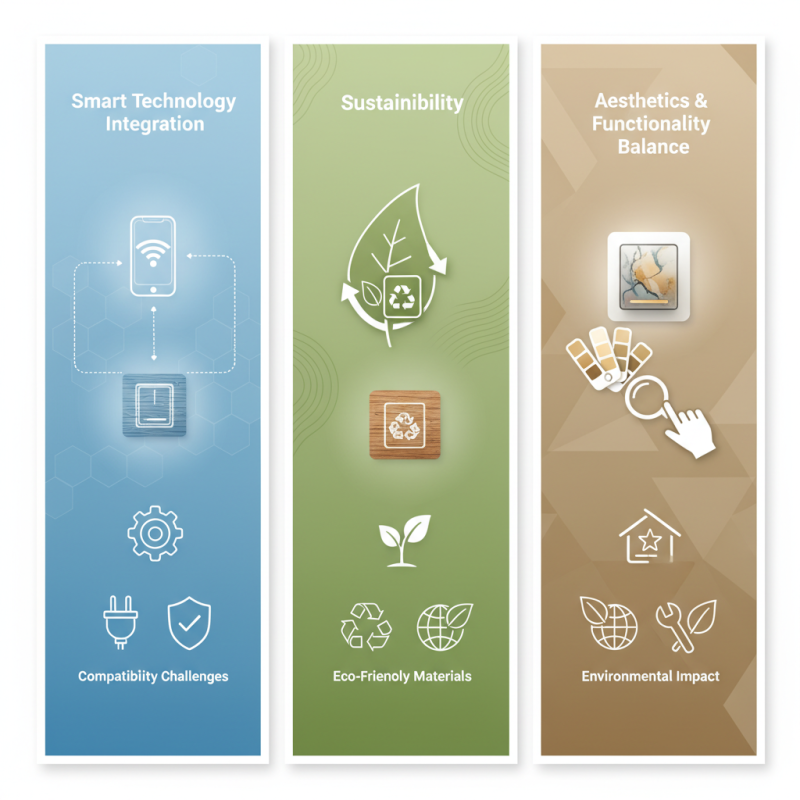
Decorator Switches are essential in modern home design. As we look toward 2026, several exciting trends are emerging within this area. Homeowners are increasingly focused on aesthetics and functionality. The right decorator switches enhance both appeal and ease of use.
Smart technology integration is becoming a big trend. These switches provide control at your fingertips, often through mobile apps. However, with this technology comes complexity. Users might face challenges in compatibility with other systems. It’s critical to choose reliable brands that ensure seamless transitions.
Sustainability is another important theme. Eco-friendly materials are gaining traction. Decorator switches made from recycled resources are preferred. This reflects a growing awareness of environmental impact. Not all options may meet high standards, thus requiring careful research. Homeowners face the task of balancing style, function, and sustainability in their choices.
Emerging Material Innovations in Decorator Switch Designs for 2026
As we look toward 2026, the world of decorator switch designs is evolving. New materials are emerging, transforming how we think about functionality and aesthetics. This shift is not just about looks; it's about enhancing user experience. For instance, natural stone finishes, such as limestone and marble, are gaining popularity. These materials add a touch of elegance to any interior.
Sustainable options are also on the rise. Biodegradable plastics and recycled metals are becoming key materials for eco-conscious consumers. Design choices like these reflect a growing commitment to sustainability. However, the durability of these materials can sometimes be a concern. They might not withstand wear and tear as well as traditional options. This highlights the need for careful consideration in material selection.
Texture is another exciting trend worth noting. Textured surfaces bring a tactile dimension to switches, making them more engaging to interact with. But achieving the right texture without compromising functionality can be tricky. Designers must strike a balance to ensure these switches serve their purpose effectively. Innovations in material science will play a crucial role in overcoming these challenges.
Sustainability Trends Influencing Electrical Switch Manufacturing by 2026
Sustainability is becoming key in electrical switch manufacturing as we approach 2026. Recent studies indicate that 72% of consumers prefer eco-friendly products. This trend is reshaping the entire industry, pushing manufacturers to explore innovative materials. Recycling plastics and using bio-based components are emerging strategies. These efforts contribute to reducing carbon footprints while meeting consumer demands.
Moreover, life-cycle assessments are increasingly influential. They evaluate the environmental impacts of switches from production to disposal. A 2023 report shows that products with optimal life-cycle profiles can reduce waste by up to 40%. Yet, the industry faces challenges in sourcing sustainable materials. Many companies still rely on traditional processes that may not align with green principles. This gap highlights the need for ongoing research and development.
The call for transparency is also rising. Consumers want to know the sourcing and environmental impacts of their purchases. A survey revealed that 65% of respondents support brands that disclose their sustainability efforts. This shift is prompting manufacturers to adopt clearer reporting practices. Transparency could reshape consumer trust and lead to more responsible purchasing decisions. As we move forward, staying aligned with sustainability trends will be essential for success.
Smart Home Integration: A Look at Wireless Decorator Switch Technologies
The integration of smart home technology continues to reshape our living spaces. By 2026, wireless decorator switch technologies are expected to dominate the market. A report from the Smart Home Research Institute indicates that 40% of homes will incorporate smart switches, making them accessible to a larger audience. These devices offer convenience, allowing users to control lighting and appliances remotely.
Wireless decorator switches bring numerous benefits. They operate on various protocols, including Zigbee and Z-Wave, ensuring compatibility with various smart home systems. This flexibility enhances user experience, making it easier to transition toward automation. However, connectivity issues may arise, leading to occasional frustrations for users. Blog readers should invest in reliable devices and check that their home Wi-Fi signal is strong.
Tips: Consider the location of your switches. Placing them within range of your Wi-Fi router can improve connectivity. Choose switches that offer manual control as a backup in case of wireless disruptions. As technology advances, staying informed about updates in smart home integration can enhance your home experience.
Consumer Preferences in Color and Design for Switches by 2026
As we approach 2026, trends in consumer preferences for decorator switches are evolving rapidly. Recent reports indicate that 72% of consumers prefer custom colors that blend seamlessly with their interiors. Neutral tones such as beige and soft grays continue to be favored. However, a significant segment is leaning toward bold accents, like deep blues and rich greens, which can serve as focal points in a room.
Another noteworthy trend is the increasing demand for smart switches. Research shows that consumers are prioritizing technology integration. About 65% say they want switches that connect with home automation systems. Minimalistic designs are favored, with single-pole switches often being the most popular choice due to their sleek look and ease of use. This shift towards minimalism reflects a broader desire for simplicity in home decor.
Tips for choosing the right switch include considering the overall aesthetics of your space. For a contemporary look, opt for matte finishes. These can be both stylish and functional. Additionally, think about functionality. Smart options may require more upfront investment but can improve convenience and energy efficiency. Don't underestimate the impact of a well-chosen switch; it can elevate your entire decor.
Regulatory Impacts on Decorator Switch Safety and Compliance Standards in 2026
In 2026, regulatory impacts on decorator switch safety are likely to evolve significantly. Authorities are focusing on enhancing compliance standards. This is crucial as more devices connect to our electrical systems. Compliance ensures that new designs meet safety requirements. It reduces risks of electrical malfunctions and promotes user safety.
The introduction of stricter guidelines could change product development. Designers may need to incorporate safety features that weren't mandatory before. This raises questions about innovation versus compliance. Balancing creativity with regulatory demands can be challenging. The industry may see a mix of established designs and new, compliant innovations.
Moreover, a heightened focus on safety can lead to better industry standards. Consumers will demand safer, more reliable products. Yet, maintaining affordability while meeting these standards is a dilemma. The industry must address how to provide both quality and compliance without significant cost increases. This ongoing challenge will require collaboration among designers, manufacturers, and regulators.
Top Decorator Switches Trends to Watch in 2026
| Trend | Description | Regulatory Impact | Compliance Standards |
| Smart Integration | Decorator switches with integrated smart technology are becoming the norm, enhancing home automation. | Increased focus on cybersecurity measures for connected devices. | New standards focusing on data protection and device security. |
| Eco-Friendly Materials | A shift towards sustainable materials in manufacturing processes for switches. | Regulations encouraging the reduction of plastic usage. | Compliance with environmental standards and certifications. |
| User-Centric Design | Focus on aesthetics and functionality tailored to consumer needs. | Mandatory usability standards to accommodate diverse needs. | Compliance with accessibility guidelines. |
| Wireless Technology | Increased prevalence of wireless decorator switches improving installation efficiency. | Regulations on electromagnetic compatibility. | Adherence to safety standards for wireless devices. |
| Enhanced Safety Features | Incorporation of advanced safety mechanisms to prevent electrical hazards. | Stricter compliance requirements for safety measures. | Updated certifications for electrical safety. |