Top Types of Decorative Veneer Plywood for Global Buyers
For global buyers, choosing Decorative Veneer Plywood is more than selecting an attractive wood surface. It involves balancing appearance, structural performance, moisture resistance, documentation, and supply reliability. Walnut may offer deep color and visual warmth, while oak provides a clearer grain and broader commercial appeal. Birch, teak, ash, and eucalyptus each create different expectations for texture, stability, and finishing.
Wood remains wonderfully inconsistent.
Dr. R. Bruce Hoadley, a respected wood technologist, emphasized this reality: “Wood is a complex, variable, and anisotropic material.” His observation explains why veneer species alone cannot determine product quality. Buyers should also examine veneer slicing methods, core composition, panel thickness, surface repairs, bonding performance, and moisture content. A beautiful face veneer can still hide weak construction or uneven calibration. That unpleasant possibility deserves attention.
This guide explores the top types of Decorative Veneer Plywood for international purchasing decisions. It considers popular species, natural and reconstructed veneers, rotary-cut and sliced surfaces, and practical applications in furniture, cabinetry, wall panels, doors, and hospitality interiors. Each type has strengths, limitations, and cost implications. Product samples should be compared under consistent lighting, not showroom lighting alone. Technical data should be checked against the destination market’s requirements, including emissions, fire performance, and formaldehyde documentation where applicable. Certification can improve confidence, but it does not replace independent inspection. Global sourcing is rarely perfect. Small details often determine whether a panel performs beautifully or becomes an expensive correction.
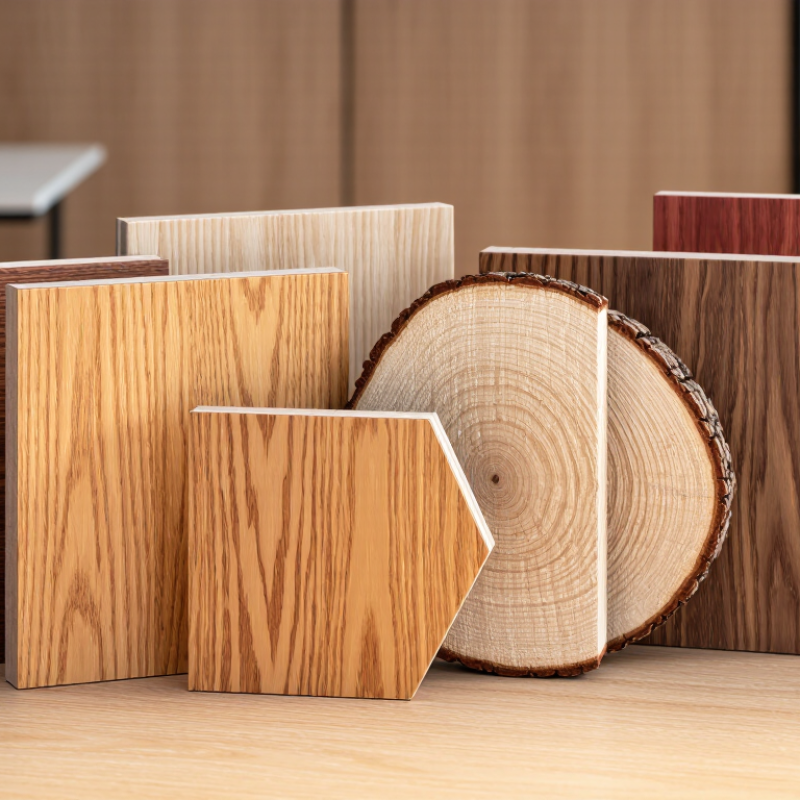
What Decorative Veneer Plywood Is and How It Is Made
Top Types of Decorative Veneer Plywood for Global Buyers
Decorative veneer plywood combines thin natural wood layers with a stable plywood core. The visible veneer may feature oak, walnut, birch, ash, or other species. Each creates a different grain pattern, color, and tactile impression. Manufacturers usually peel or slice logs into thin sheets. They dry, grade, and match these sheets before bonding them to the core. Heat and pressure activate the adhesive, forming a strong panel.
The grain direction of each core layer usually changes by 90 degrees. This construction improves strength and reduces swelling or warping. After pressing, the surface may be sanded, trimmed, and sealed with a clear finish. Some panels show natural knots and color variation. That is not automatically a defect. Still, uneven veneer thickness can affect machining and final appearance. Buyers should review thickness tolerance, moisture content, bonding quality, and emission documentation before ordering.
Tips: Request a physical sample before large-volume purchasing. Check the face, edges, and rear surface under direct light. Ask whether the veneer is rotary-cut, sliced, or reconstructed. Confirm the core material and intended indoor or protected-use environment. A low price may hide weaker layers or inconsistent finishing. That lesson is easy to overlook. Even attractive plywood deserves careful inspection.
Main Types of Decorative Veneer Plywood by Wood Species
Decorative veneer plywood varies greatly by wood species, even when panel thickness remains identical. Oak is a dependable choice for offices, cabinets, and wall panels. Its open grain accepts clear finishes and stains with consistent character. Walnut creates darker interiors, with rich brown tones and naturally varied figuring. It suits furniture fronts and premium reception areas. Maple offers a pale, clean surface. It reflects light well, but dents and machining marks may become visible. Birch has a fine, even grain and works well in modern, restrained designs. Warm, stable, and familiar.
Tropical species such as teak can provide strong visual appeal and useful moisture resistance. However, buyers should verify legal sourcing and actual species identification. Veneer names are sometimes used loosely in international trade. Ask for botanical names, veneer thickness, core construction, moisture data, and formal emissions documentation. The decorative face may look excellent, yet an unstable core can cause warping. I once focused too heavily on grain appearance. That was a mistake. Panel performance matters more after installation.
Tips: Request small samples before placing a large order. View them under your project’s lighting, not only daylight. Compare grain matching, color variation, edge quality, and surface repairs. Confirm whether the species is suitable for dry, humid, or temperature-changing spaces. Check the core. A beautiful walnut face cannot correct poor panel construction. Also, allow for natural variation; real wood rarely looks perfectly uniform.
Surface Finishes and Visual Styles for Different Interior Uses
Top Types of Decorative Veneer Plywood for Global Buyers
Surface Finishes and Visual Styles for Different Interior Uses
Decorative veneer plywood changes character through its surface finish. A matte oak veneer gives walls and wardrobes a soft, natural appearance. It works well in bedrooms, libraries, and calm residential interiors. Walnut tones add visual depth to reception desks and dining spaces. However, darker surfaces can show dust and scratches more clearly.
For modern offices, light ash or birch visuals create a clean, spacious feeling. A wire-brushed finish adds tactile detail without becoming visually heavy. Smoked veneer offers richer contrast for hotel lobbies and feature walls. High-gloss coatings reflect light strongly, so they suit selected cabinet doors better than large wall areas. Fingerprints can become an annoying daily detail.
Bookmatched veneer creates a balanced, mirrored pattern across panels. It often suits conference rooms, premium furniture, and statement walls. Still, natural veneer varies in grain, shade, and knot structure. Buyers should approve physical samples, not rely only on digital images. Screen colors are easily misleading.
Finish selection must also match maintenance needs. Textured surfaces may hide minor marks, while smooth coatings are easier to wipe. In humid interiors, confirm the panel’s core, adhesive performance, and edge treatment. Local fire and emissions requirements also need checking before purchase. A beautiful surface is not enough when the specification is incomplete.
How Global Buyers Compare Quality, Certifications, and Applications
Top Types of Decorative Veneer Plywood for Global Buyers
Global buyers usually compare oak, walnut, ash, birch, and teak-look veneer plywood. Each type creates a different visual mood and performance expectation. Oak offers visible grain and reliable wear resistance. Walnut gives darker color and a more premium interior appearance. Birch usually provides a cleaner, lighter surface. Quality depends on more than appearance. Inspect veneer thickness, grain matching, core gaps, edge bonding, and panel flatness. A beautiful face can still hide weak construction.
Certifications help buyers reduce uncertainty across different markets. Ask for current chain-of-custody records, formaldehyde emission reports, and product test documents. FSC certification may support responsible sourcing claims. CARB or TSCA compliance can matter for projects entering the United States. Requirements differ by destination. Verify the certificate number directly, not only a printed logo. Moisture content also deserves attention, especially for humid shipping routes. Small swelling can create expensive installation problems. I have seen buyers focus too heavily on color and regret ignoring the core.
Applications should guide the final choice. Stable panels suit cabinet doors, wall panels, furniture, and hotel interiors. More decorative grades work well where the surface remains visible. For high-contact areas, request abrasion and bonding test data. Do not assume a thicker veneer always means better value.
Tips: Request samples from several production batches. Check them under natural and artificial light. Compare the back face too. Record tolerances before ordering. Perfect consistency is rarely realistic, so define acceptable variation clearly.