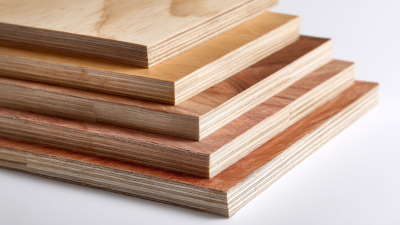
How to Choose the Right Half Inch Plywood for Your Project?
Choosing the right half inch plywood can significantly impact your project’s outcome. According to a report by the Wood Products Council, plywood accounts for 29% of the North American softwood market. This statistic highlights its importance in construction and furniture making. Yet, many fail to recognize the nuances involved in selecting this material.
Expert Matt Johnson, a leading figure in the plywood industry, stated, “Selecting the right half inch plywood is critical for both strength and durability.” His insights reflect a common challenge faced by both amateurs and seasoned builders. Many choose based on price, ignoring crucial factors like grade and intended use.
Understanding these details can lead to better project results. It’s essential to consider the specific needs of your project. Inadequate knowledge may lead to using the wrong type, resulting in potential structural failures. The stakes are high. Investing time in learning about half inch plywood can save you from costly mistakes and ensure your work stands the test of time.
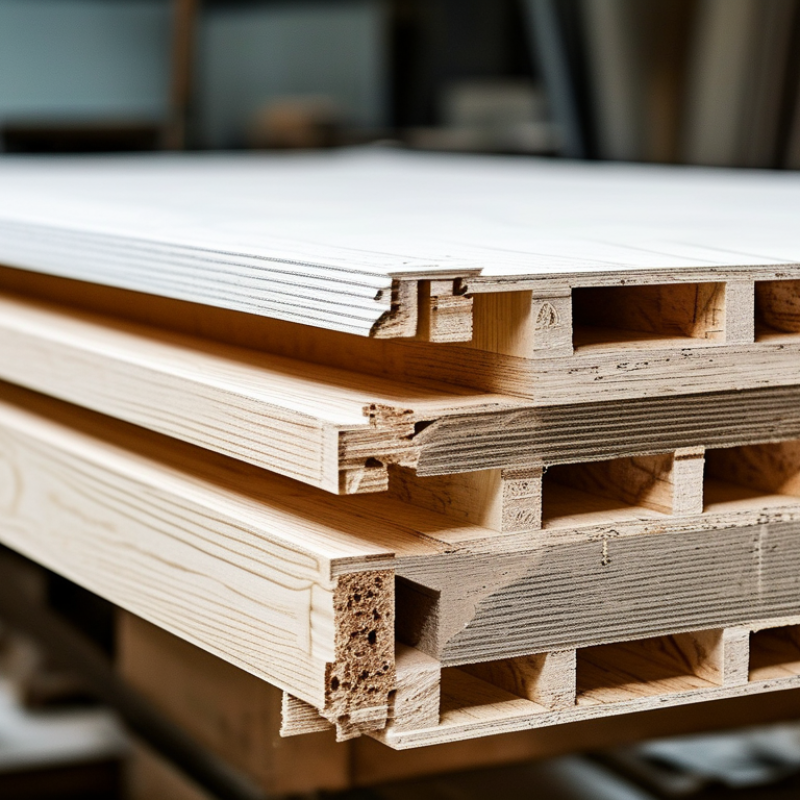
Understanding Different Types of Half Inch Plywood Available
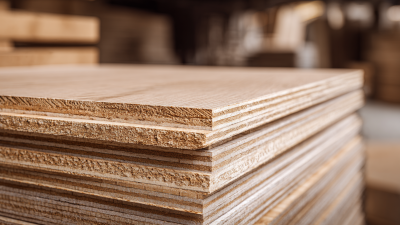
When selecting half-inch plywood, understanding the available types is essential. Plywood is categorized based on its grading and structure. Common types include CDX, AC, and Marine plywood. CDX plywood is often used for exterior applications due to its durability. According to the American Plywood Association, CDX has a sturdy core and is cost-effective.
AC plywood offers smooth surfaces, making it suitable for visible applications. This type is particularly favored in furniture making and cabinetry. In contrast, Marine plywood is designed to resist moisture, making it ideal for boats and humid environments. A study from the U.S. Forest Service indicates that Marine plywood's rot resistance is crucial for longevity in wet conditions.
While many may overlook the importance of choosing the right grade for their project, it can significantly affect the final outcome. Selecting a lower-grade plywood, for instance, may lead to more visible defects. It’s essential to balance budget considerations with quality needs. A project that compromises on material quality may require future repairs or replacements, leading to higher costs. Understanding the specific qualities of each type of half-inch plywood ensures you make an informed decision for your project.
Factors to Consider When Selecting Half Inch Plywood
When selecting half inch plywood for your project, several factors must be considered. The type of veneer is important. Birch, oak, and pine are popular choices, each offering different aesthetics and durability. Think about the intended use of the plywood. Is it for furniture, cabinetry, or some structural application? Choosing the right type can greatly affect the project’s longevity and appearance.
The grade of plywood also plays a significant role. Plywood is graded from A to D, with A being the highest quality. Higher grades offer fewer defects. Lower grades might have knots or holes, affecting your project’s final look. Check local suppliers for their grading systems and inspect samples if possible.
Nail and screw holding capabilities are often overlooked but essential. Some plywood types resist splitting better than others. Reflecting on your project needs can help. Test holding strength before making large purchases. Remember to factor in environmental considerations too. Certain wood types are more sustainable than others. Choosing responsibly can benefit the environment and enhance your project.
Factors Influencing the Selection of Half Inch Plywood
Evaluating Quality: Grading and Specifications of Plywood
When selecting half-inch plywood, understanding grading and specifications is key. Plywood is typically graded from A to D, with A representing high quality and D being lower quality. Grades are determined by the number of defects, surface smoothness, and overall strength. According to the American Plywood Association, higher grades guarantee a more reliable product that can support various applications, from cabinetry to structural uses.
Specifications also play a crucial role. Thickness and moisture resistance are vital factors. For instance, plywood thinner than ½ inch may not withstand heavy loads. Additionally, exposure ratings, such as “Exterior” or “Interior,” indicate the plywood's ability to resist moisture. A report from the U.S. Forest Products Laboratory emphasizes that plywood with higher moisture resistance is essential for projects exposed to outdoor conditions. Selecting the wrong grade can lead to issues like warping or delamination over time.
While the choice seems straightforward, many overlook subtle details. Not all A-grade plywood is created equal. Variability in manufacturing can lead to inconsistent performance. It’s important to physically inspect the sheets for defects and to understand that ideal ratings may not always translate into perfect results in your specific environment. Adapting to real-world conditions often requires a deeper understanding of the material’s limits.
Common Applications for Half Inch Plywood in Projects
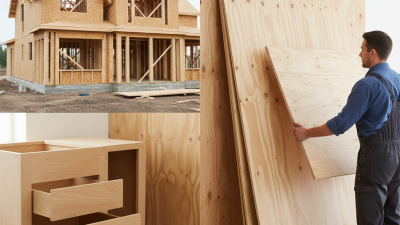
Half inch plywood is a versatile material often chosen for various projects. It finds common applications in furniture making and cabinetry. Its thickness offers a balance between strength and weight, making it ideal for shelves and lightweight structures.
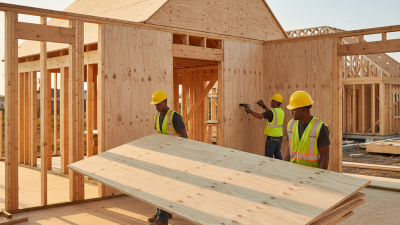
In construction, half inch plywood serves as an effective sheathing material. Builders often use it for walls and roofs, as it provides sturdy support while allowing for easier installation. This plywood can also be cut into custom sizes, making it useful for unique projects. However, one must be cautious about moisture exposure. Water can warp the material, compromising its integrity.
Craft projects often leverage half inch plywood too. It is perfect for creating decorative items, picture frames, and models. However, precision is crucial. Any miscalculation can lead to material wastage and affect the final look. Many people overlook smooth finishing, which can leave splinters. A little attention paid to details makes a significant difference in both appearance and durability.
Tips for Purchasing Half Inch Plywood: Where and How to Buy
When purchasing half-inch plywood, consider the intended use for your project. Are you creating furniture or a structural element? A specific type may work better. Look for types like sanded plywood or untreated plywood, depending on your needs. Each type has unique characteristics that influence durability and appearance.
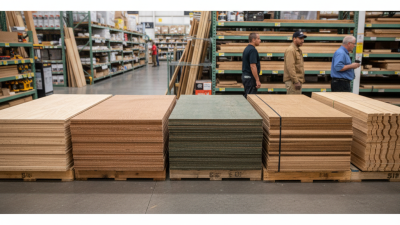
Location matters when buying plywood. Local lumber yards often have a more extensive selection than big-box stores. They can provide personal advice based on your needs. Don’t hesitate to ask questions. Understanding the difference in grades can be confusing. Grade A offers a smooth finish, while Grade C has knots and imperfections. Knowledge of these details helps in making a confident choice.
Remember to check the sheets for flaws. Warping or surface defects can affect your project outcome. Many times, individuals overlook these details and end up with unusable pieces. Take your time in the selection process. Small errors can lead to bigger problems down the line. Investing time now will save hassle later.