How to Choose the Best Stove Range Hood for Your Kitchen?
Choosing the right Stove Range Hood for your kitchen is crucial. A well-selected range hood enhances ventilation and improves air quality. According to kitchen design expert Sarah Johnson, "The right Stove Range Hood not only captures smoke but also elevates the overall kitchen experience."
When selecting a stove range hood, consider factors like size, style, and power. A hood should complement your kitchen's aesthetics while providing efficient performance. Many homeowners overlook the noise levels. Some hoods operate quietly, while others can be quite loud. You want a balance between power and tranquility.
Another aspect is maintenance. Some hoods require more frequent cleaning than others. Choosing a model with easy-to-clean filters can save you time. Reflecting on these details can help avoid regrets in the future. Your kitchen deserves a range hood that truly fits your needs and enhances your cooking routine.
Understanding the Importance of Range Hoods in Kitchen Ventilation
Range hoods play a critical role in kitchen ventilation. They help remove smoke, steam, and odors produced during cooking. According to data from the National Kitchen and Bath Association, a properly functioning range hood can reduce airborne pollutants by over 75%. This is essential for maintaining air quality, especially in closed kitchen environments.
When selecting a range hood, it's vital to consider its airflow capacity. For instance, a hood should ideally match or exceed the cooking appliance's BTU output. Studies indicate that a range hood should move at least 100 CFM (cubic feet per minute) for every 10,000 BTUs of your stove's output. This ensures efficient extraction and promotes a healthier cooking atmosphere.
Another aspect to consider is that not all range hoods are created equal. Many consumers overlook the difference between ducted and ductless options. Ducted hoods vent air outside, providing optimal efficiency. Ductless hoods recirculate air, filtering it before returning it to the kitchen. However, they often require more maintenance. Ideally, users should weigh these factors carefully before making a choice.
Types of Stove Range Hoods: Wall-Mounted, Under-Cabinet, and Island Models
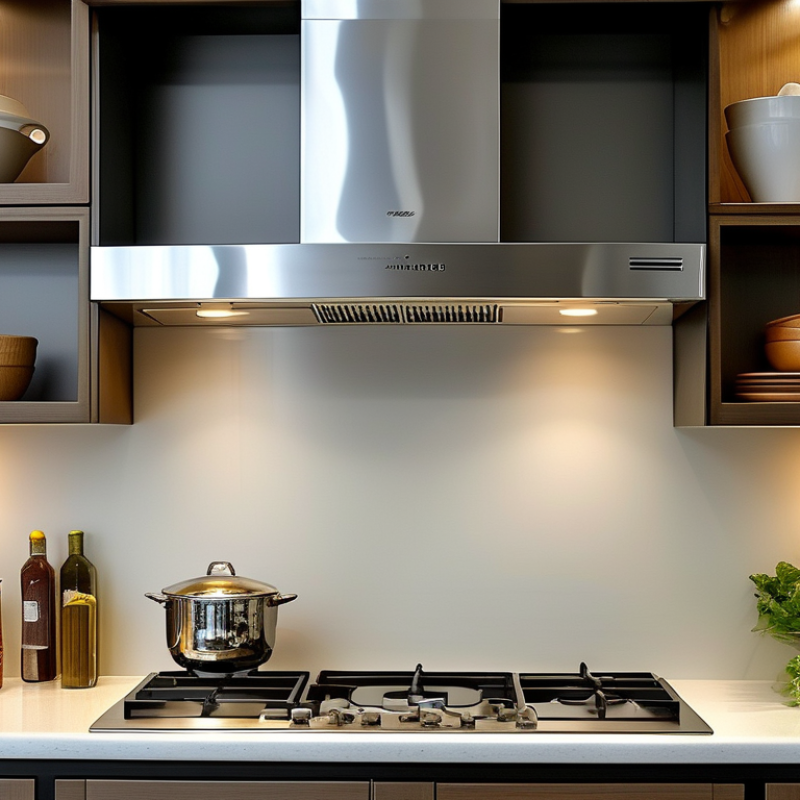
When selecting a stove range hood, understanding the different types is crucial. Wall-mounted hoods are popular for their effectiveness. They are installed directly above the stove, mounted on the wall. This type excels in capturing smoke and odors, making them well-suited for kitchens where space allows. According to industry reports, these hoods can reduce cooking odors by up to 80%, providing a fresh cooking environment.
Under-cabinet models are another common choice. These are fixed beneath a cabinet, saving space and offering a sleek look. They are often less powerful than wall-mounted units but can still be quite effective for smaller cooking setups. Research indicates that under-cabinet hoods can improve indoor air quality significantly, although they may require more frequent cleaning due to grease buildup.
Island hoods serve kitchens with a central layout, offering a stylish focal point. These hoods hang above an island cooking range. While aesthetically pleasing, they typically come with a higher installation cost. In fact, studies suggest that homeowners may see an increase in home value with an attractive island hood, but maintenance can pose challenges. Ultimately, understanding these options is key to making an informed choice for your culinary space.
Key Features to Consider: CFM, Noise Levels, and Filters Efficiency
When selecting a stove range hood, several critical features deserve attention: CFM, noise levels, and filter efficiency. CFM (Cubic Feet per Minute) measures the air movement a hood can achieve. For optimal performance, a hood should ideally produce 100 CFM for every 10,000 BTUs in your stove. This standard ensures that smoke, grease, and odors are efficiently removed from your kitchen environment.
Noise levels also significantly impact your kitchen experience. Hoods typically operate between 40 to 60 decibels, with higher settings reaching up to 70 decibels. A range hood exceeding 60 decibels may feel more disruptive during cooking. Many homeowners misjudge how sound can affect cooking; choosing a quieter model can enhance comfort and functionality during meal preparation.
Lastly, filter efficiency cannot be overlooked. Most hoods come with metal mesh or charcoal filters. Metal filters are reusable and efficient but require regular cleaning. Charcoal filters trap odors and are typically disposable. It's advisable to consider how often you cook and choose a filter that balances convenience and effectiveness. Understanding these features helps ensure a well-functioning range hood that meets your cooking style while enhancing kitchen comfort.
Assessing Kitchen Size and Layout to Select the Right Hood Size
When selecting a stove range hood, evaluating the kitchen's size and layout is crucial. A hood that is too large can overpower a small space. On the other hand, a hood that is too small may struggle to ventilate adequately, leading to lingering odors and excess moisture. Consider the height of your ceilings and how much space you have above your cooking area. Many kitchens vary in layout, which can influence the effectiveness of the range hood.
For instance, if you have a compact kitchen with limited cabinetry, a wall-mounted hood may not fit well. An island hood could be more suitable in an open layout. Remember the cooking style too. If you frequently sauté or fry, you might need a more powerful hood. Peer into your kitchen’s atmosphere and think about how the style of the hood can complement the overall design, while still performing its function.
Lastly, reflect on your own cooking habits when choosing the hood's size. A busy home may require a larger capacity vent. Be honest about how often you cook and the types of meals you prepare. Balancing aesthetics with functionality is essential. The right hood will enhance your kitchen, but it should also be practical for your needs.
How to Choose the Best Stove Range Hood for Your Kitchen?
| Hood Type | Recommended Size (inches) | Best Suited For | CFM Range | Noise Level (Sonos) |
| Wall-Mounted | 30-36 | Medium to Large Kitchens | 300-600 | 1.5-3.0 |
| Under-Cabinet | 24-30 | Small to Medium Kitchens | 200-500 | 1.0-2.5 |
| Island Hood | 36-42 | Open Kitchens | 600-900 | 2.0-4.0 |
| Downdraft | 30 | Compact Spaces | 300-600 | 1.5-3.0 |
Budget Considerations: Average Prices and Installation Costs for Range Hoods
Selecting a range hood for your kitchen involves careful consideration of your budget. On average, the price for a decent range hood varies between $200 and $1,500, depending on its type and features. Wall-mounted and under-cabinet hoods usually have lower costs. Ceiling-mounted hoods, on the other hand, can be significantly more expensive.
Installation costs are another factor to keep in mind. Hiring a professional can cost anywhere from $100 to $500, depending on complexity. According to a report by the National Kitchen and Bath Association, poor installation may lead to inefficiency or even create safety hazards. Many people underestimate these costs and face unexpected expenses later.
Some range hoods come with extra features like dual motors and built-in lighting, increasing their price. However, more features don’t always mean better performance. It’s essential to assess your kitchen’s layout and cooking habits before committing to a purchase. A more expensive model may not be necessary if you rarely cook. Always evaluate your actual needs against the cost.