How to Choose the Best Plywood Sheets for Your Projects?
Choosing the right plywood sheets for your projects can be a daunting task. Various types and grades exist, each with unique qualities. Understanding these differences is crucial for achieving desired results in your work.
When selecting plywood sheets, consider the specific requirements of your project. Factors like thickness, grade, and wood species play significant roles. Each type of plywood has its advantages and limitations. For instance, some may offer durability but lack aesthetic appeal, while others present beauty at the cost of strength.
While it's easy to focus on price, don't overlook quality. High-quality plywood sheets can make a significant difference in your final product. Be aware of potential compromises. This approach may require extra research and a more thoughtful decision-making process. A well-informed choice not only enhances your project’s success but also reflects your commitment to excellence.
Understanding Different Types of Plywood and Their Uses
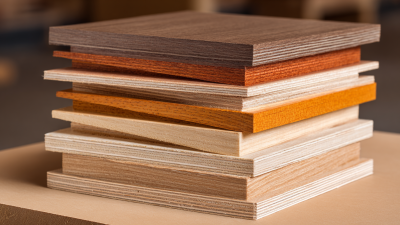
Plywood is a versatile material used in various applications, from furniture to construction. When selecting plywood sheets, understanding different types is vital. The most common varieties include softwood, hardwood, marine, and encapsulated plywood. Each type serves a unique purpose, making informed choices crucial for project success.
Softwood plywood, often made from fir or pine, is lightweight and cost-effective. It is ideal for interior projects, such as cabinetry. According to the American Plywood Association, softwood plywood accounts for nearly 60% of plywood production. In contrast, hardwood plywood features more dense and durable materials like oak or maple. It is favored for high-end furniture and cabinetry, known for its strength and appearance.
Marine plywood is specifically designed for water exposure, often used in boat building. It's crucial for areas with high humidity. Encapsulated plywood, treated for added protection, is gaining popularity in outdoor settings. Surveys show that proper understanding of plywood types increases project durability by up to 30%. This highlights the need for careful consideration when choosing materials for specific applications.
How to Choose the Best Plywood Sheets for Your Projects?
| Plywood Type |
Thickness (inches) |
Common Uses |
Durability |
Price Range ($) |
| Birch Plywood |
0.25 - 1.5 |
Furniture, Cabinetry |
High |
30 - 80 |
| Marine Plywood |
0.5 - 1.5 |
Boats, Outdoor Furniture |
Very High |
70 - 150 |
| Hardwood Plywood |
0.25 - 1.0 |
Decorative Surfaces, Fixtures |
Medium to High |
40 - 100 |
| OSB (Oriented Strand Board) |
0.5 - 0.75 |
Wall Sheathing, Floor Underlayment |
Low to Medium |
10 - 30 |
| Softwood Plywood |
0.25 - 1.0 |
Structural Applications, Temporary Structures |
Medium |
15 - 35 |
Evaluating Plywood Grades and Quality Standards for Projects
When evaluating plywood grades, it's crucial to understand the standards that determine quality. Plywood is graded based on its appearance and structural integrity. Higher grades indicate fewer knots and defects. For projects requiring visual appeal, choose A-grade plywood. It has a smooth surface, ideal for furniture or cabinetry. However, it can be costly.
Lower grades, such as C or D, have more imperfections. They are suitable for hidden areas like framing. Yet, the structural reliability of these grades must be considered. For example, if you choose a C-grade for a load-bearing structure, the risk of warping may increase. Always assess the intended use of the plywood before selection.
Quality standards also include thickness and moisture resistance. Ensure the plywood is suitable for your environment. If you're working in damp areas, look for moisture-resistant options. Ignoring this detail can lead to delamination over time. Evaluate your project's requirements carefully, and consider how these factors impact the overall success of your work.
Comparison of Plywood Grades
This chart illustrates the quality ratings of different plywood grades, ranging from Grade A to Grade D, based on industry standards. Higher grades indicate better quality and more suitable for premium projects.
Key Factors to Consider When Choosing Plywood Thickness
Choosing the right plywood thickness can significantly impact the outcome of your projects. Various factors come into play when deciding on thickness. For example, structural integrity is crucial in construction. According to industry data, plywood sheets typically range from 1/8 inch to 1 inch thick. A common choice for cabinet backing is 1/4 inch. Yet, heavier loads may warrant thicker sheets, such as 3/4 inch.
The application determines the required thickness. For instance, furniture design often uses 1/2 inch sheets. In contrast, flooring projects usually call for 3/4 inch thickness or more. However, some projects may require additional reinforcement. A study from the Plywood and Composites Research Society indicates that thinner plywood can warp under pressure or humidity, leading to structural problems. Observing the conditions and expected loads will guide your choice effectively.
Thickness is not the only attribute to consider. The type of wood veneer affects performance. For high-stress applications, some craftsmen prefer hardwood ply. This option offers more durability. Yet, affordability must also be factored in. Sometimes, it’s possible to achieve satisfactory results with lower-cost options. Balancing quality and budget often requires introspection. The decision-making process can be complex, but being well-informed helps ensure suitable choices.
Comparing Plywood Finishes and Their Impact on Project Outcomes
When selecting plywood finishes, understanding their impact on project outcomes is crucial. Various finishes can enhance durability, aesthetics, and functionality. For instance, a study by the Forest Products Laboratory notes that certain finishes, like polyurethane, can increase a plywood panel's resistance to moisture by up to 50%. This can be vital for projects in high-humidity environments.
The choice of finish also affects the appearance. A lacquer finish can offer a high-gloss, sophisticated look, while oil-based finishes provide a warm, natural feel. According to the Architectural Woodworking Standards, the type of finish chosen can alter perceptions of quality. A polished surface can elevate the overall appeal of furniture or cabinetry, influencing buyer decisions.
However, not every finish works seamlessly on all plywood types. Some combinations may lead to peeling or uneven surfaces. A common pitfall is overlooking the compatibility of finishes with plywood types, which can result in unsatisfactory outcomes. Professionals often recommend testing finishes on samples before applying them to entire projects. This careful approach helps avoid costly mistakes and ensures the desired final aesthetic.
Sourcing Sustainable Plywood: Importance and Best Practices
When sourcing sustainable plywood, the choice impacts both the environment and project quality. Sustainable plywood is sourced from responsibly managed forests. According to the Forest Stewardship Council, sustainably sourced materials help reduce deforestation and protect biodiversity.
Not all plywood is created equal. Look for certifications like FSC or PEFC. These labels assure responsible forestry practices. Additionally, using alternative materials like bamboo or reclaimed wood can reduce reliance on timber. Statistics show that sustainable sourcing can cut carbon emissions by up to 40% compared to conventional plywood.
Tips for sourcing sustainably: Always inquire about the origin of the plywood. Verify if the supplier follows ethical practices. Don’t hesitate to ask for certifications to ensure quality. Remember, cheap plywood may save money upfront but can result in higher costs in the long run.
Reflect on the lifecycle of your materials. Consider how the production and disposal impact the environment. It's vital to choose options that align with both project needs and environmental sustainability. Sustainable choices today lead to a healthier planet tomorrow.