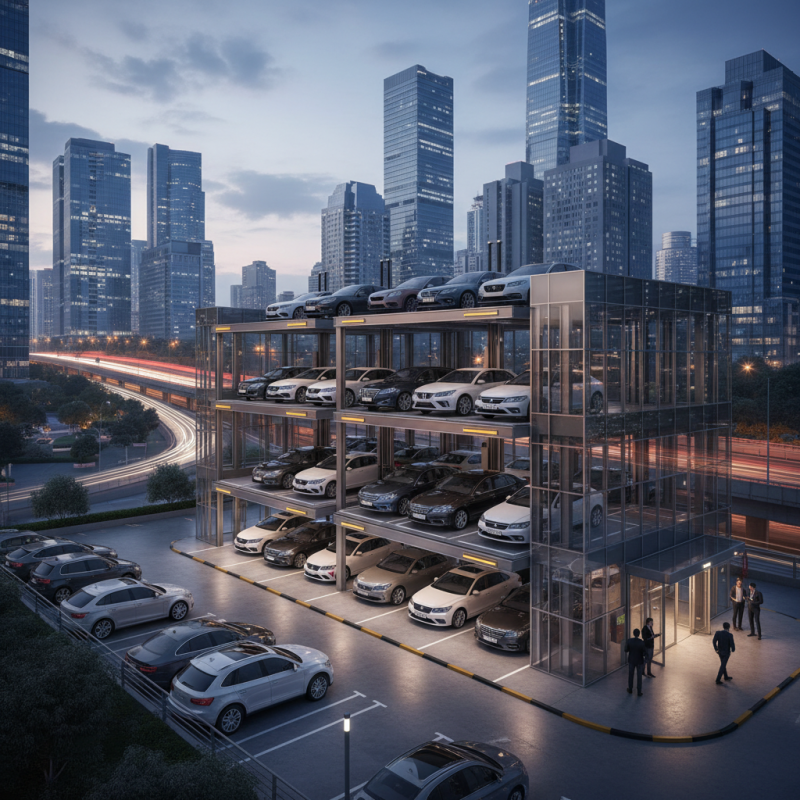
How to Choose the Best Double Deck Car Parking System?
In urban environments, space is a premium. A Double Deck Car Parking System efficiently utilizes vertical space. This system allows parking of more cars in a limited area. Many city planners embrace this innovative solution to combat parking shortages.
Choosing the right Double Deck Car Parking System involves several considerations. Firstly, assess your available space and vehicle types. Different systems have varying height and weight capacities. Additionally, ensure the technology is user-friendly. Complex systems can deter users, resulting in underutilization.
Experts recommend understanding the long-term maintenance needs. A reliable system should minimize downtime for repairs. Remember to check local regulations before installation. This ensures compliance and avoids costly modifications later. A thoughtful selection can enhance your parking experience and improve urban mobility.
Understanding Double Deck Car Parking Systems
Understanding Double Deck Car Parking Systems involves recognizing their efficiency and space-saving advantages. These systems typically double the parking capacity by utilizing vertical space. According to industry reports, double deck parking can increase vehicle storage density by up to 60%. This can significantly benefit urban areas where space is limited.
Choosing the right system requires consideration of various factors, such as the height of the building and the types of vehicles being parked. Some systems may not accommodate larger vehicles, limiting their usability in certain environments. It is crucial to evaluate the specific needs of your location and potential vehicle sizes.
**Tip:** Assess your space requirements before choosing a double deck system. Understand the dimensions of the vehicles often parked in your area.
Installation and maintenance are also vital. Improper installation can lead to operational failures or safety risks. Regular maintenance checks can help avoid costly downtimes.
**Tip:** Keep a maintenance schedule in place for optimal performance. Monitor the system regularly to ensure it meets safety standards.
Understanding the operational limitations and maintenance requirements will help in making an informed decision about double deck car parking systems.
Key Factors to Consider When Choosing a System
When selecting a double deck car parking system, several factors emerge as vital. Space efficiency stands out. Consider the area available for installation. A system that maximizes vertical space works best in urban environments. This aspect often determines the overall effectiveness of the system. Provide ample room for vehicle movement and access.
Another crucial consideration is the system's safety features. A reliable double deck parking solution should have secure locking mechanisms. It’s essential to ensure vehicles are safely stored away from potential hazards. Inspect the safety ratings and user reviews for real-world insights. This step aids in assessing reliability.
Cost is always a factor, but don’t let it dictate your choice alone. A cheaper system might skimp on quality. Evaluate potential long-term costs versus immediate savings. Reflect on your needs—will the system support different vehicle types? Consider these details carefully to ensure functionality.
Comparing Different Types of Double Deck Parking Solutions
Choosing the right double deck car parking system requires understanding various solutions available in the market. Urban areas face significant parking challenges. According to a report by the International Parking Institute, parking issues contribute to 20% of urban traffic congestion. This reality makes efficient parking solutions vital.
Tandem parking systems offer a compact solution. They can maximize space by stacking vehicles. However, access can be problematic, as drivers must coordinate to retrieve cars. Furthermore, these systems might require users to be onsite. A recent study highlighted that this could lead to frustration, especially during peak hours.
Automated double deck systems, on the other hand, provide ease of use. They require less human intervention and can minimize time spent parking. Industry insights indicate they can improve parking efficiency by up to 60%. Yet, installation costs can be prohibitive. Maintenance and operational reliability vary between manufacturers. Decisions should weigh both efficiency and cost-effectiveness. Selecting the best system means considering these nuances carefully.
Assessing Space Requirements and Vehicle Types
When selecting a double deck car parking system, understanding space requirements and vehicle types is crucial. Research indicates that many urban areas have a parking shortage, with estimates showing a demand exceeding supply by 30%. Cities often face challenges due to limited horizontal space, making vertical solutions increasingly popular.
Different vehicles require different space configurations. A standard parking space typically measures 8.5 feet by 18 feet. However, SUVs and trucks often need more room. A report from the International Parking Institute suggests that 15% of vehicles on the road are larger models, necessitating adjustments in system design. An ideal double deck system should accommodate a mix of compact cars and larger vehicles. Failing to account for vehicle sizes may lead to inefficiencies and user frustration.
Regular evaluations of space utilization are essential. Data shows that poor design can lead to wasted space, reducing overall efficiency by as much as 20%. This highlights the need for comprehensive planning before installation. It’s vital to consider how many vehicles of varying sizes will use the system. Balancing these variables can lead to better functionality and user satisfaction, ensuring that the chosen system truly meets the community's needs.
Cost Analysis and Budget Planning for Installation
When planning the installation of a double deck car parking system, cost analysis is essential. Assessing the initial investment is crucial. This includes equipment purchases, installation fees, and potential permits. Understanding the total cost upfront helps avoid surprises later.
Budget planning should also account for ongoing maintenance. Regular checks and repairs can be required. These costs can add up over time. After installation, some systems may require more upkeep than initially anticipated. It could impact your long-term financial strategy.
Consider the layout of your parking area. The available space may influence your decision. Some configurations offer better efficiency than others. Engaging a professional for a site assessment may be necessary. This step can prevent costly mistakes. Investing in a well-planned installation often pays off in the long run.