How to Choose the Best Birch Plywood 18mm for Your Projects?
Choosing the right birch plywood 18mm for your projects is essential for achieving the best results. Birch plywood is known for its strength and durability. It offers a smooth surface and a consistent appearance, making it a popular choice among craftsmen and DIY enthusiasts. However, not all birch plywood is created equal.
When selecting birch plywood 18mm, consider its grade and quality. Higher grades may cost more but provide better performance. It’s also important to check the veneer layers. More layers often mean increased stability. Be mindful that some products may contain voids, which can affect overall integrity.
Additionally, think about the specific needs of your project. Will it be exposed to moisture or heavy loads? Reflect on how this could impact your choice. The right birch plywood 18mm will enhance your work's aesthetic and functional aspects. Remember, it's about balancing quality with budget. Take your time to research before making a decision.
Factors to Consider When Choosing Birch Plywood Thickness
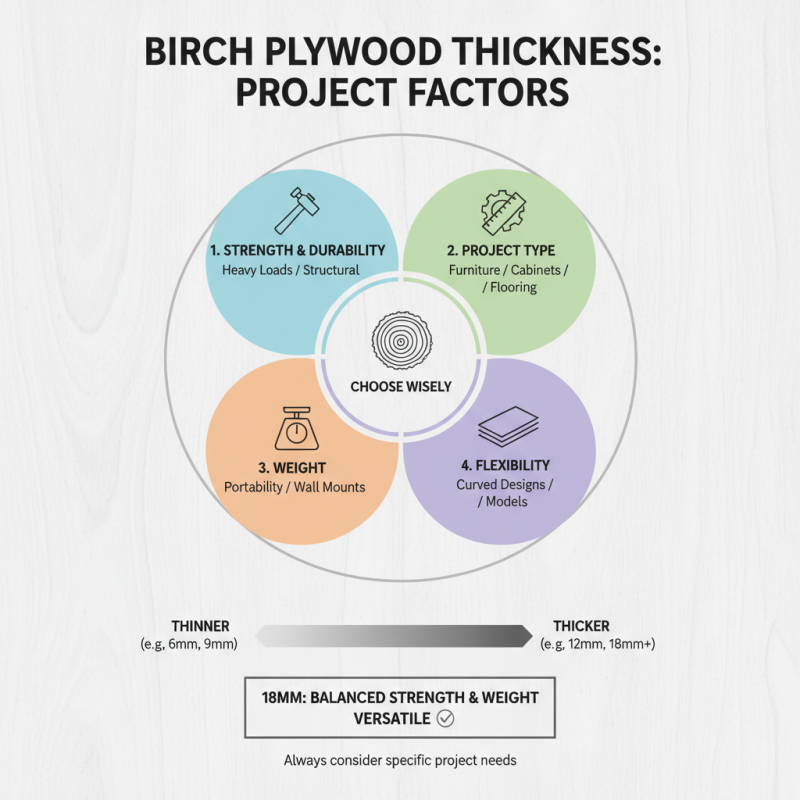
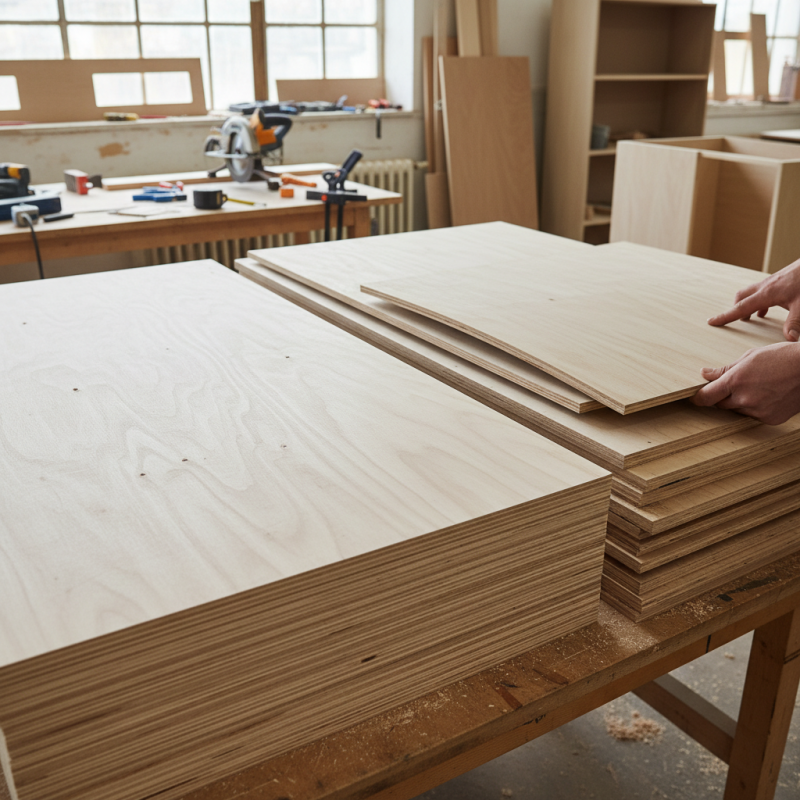
Choosing the right thickness of birch plywood is essential for the success of your projects. An 18mm thickness is often recommended for its balance of strength and weight. However, understanding the specific needs of your project can guide you in making the best choice.
When evaluating plywood thickness, assess the purpose of your project. Will it bear heavy loads or be used in structural applications? Thicker plywood provides greater durability for shelves or furniture. Conversely, lighter tasks may benefit from thinner options, maintaining flexibility and ease of handling.
Tips: Always consider the weight the plywood will support. Test different thicknesses to see what feels right in practice. It's also wise to review where the plywood will be used, indoors or outdoors, as moisture resistance comes into play.
Reflect on your design. Will the 18mm plywood blend well with the overall aesthetic? Sometimes a thinner option could create a more delicate appearance while meeting functional needs. Flexibility in choice often leads to more innovative results.
Understanding the Different Grades of Birch Plywood
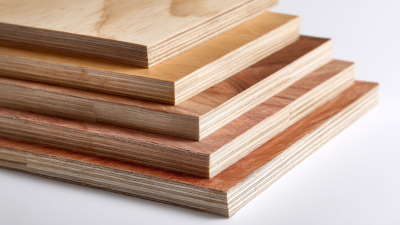
Choosing the right birch plywood is crucial for your projects. Understanding the different grades of birch plywood will help ensure your final product meets your standards. Birch plywood is graded primarily based on quality, appearance, and intended use. There are typically four grades: A, B, C, and D.
Grade A is the highest quality. It has a smooth, sanded surface with minimal imperfections. This grade works well for visible surfaces. Grade B has some minor defects but is still suitable for projects needing a good aesthetic. It might contain small knots or patches but maintains structural integrity. Grade C plywood may show more imperfections, such as larger knots or discoloration. It's best suited for projects that require more durability than appearance. Grade D is often used for utility purposes and is the lowest quality. Expect rough surfaces and more significant defects.
When selecting birch plywood, consider your project needs carefully. Sometimes, a lower grade may save costs without sacrificing performance. Look closely at the intended use of the plywood. If it will be painted or stained, some imperfections may not matter. Reflect on how the plywood’s grade aligns with your aesthetic goals and functional requirements.
Understanding Birch Plywood Grades
Evaluating the Surface Finish Options for Birch Plywood
When choosing birch plywood, evaluating the surface finish is crucial. Birch plywood often comes with various finishes that can influence both appearance and functionality. For instance, a smooth, natural finish highlights the wood's grain and brings warmth to any project. In contrast, a matte finish can reduce glare and enhance visibility for work surfaces.
Different projects require different finishes. A clear coat may protect the surface from wear and tear, while a stained finish can add a rich hue. However, coatings can sometimes obscure the natural beauty of the wood. This trade-off is important to consider. A glossy finish can catch the light beautifully but may show fingerprints and scratches more readily.
It's essential to note that preparation is key. An improperly finished surface can lead to jagged edges or peeling over time. Experimenting with finishes on scrap pieces can provide valuable insights. Understanding your needs and the characteristics of each finish will lead to a more successful outcome.
How to Choose the Best Birch Plywood 18mm for Your Projects? - Evaluating the Surface Finish Options for Birch Plywood
| Surface Finish Type |
Characteristics |
Best For |
Durability |
| Natural Finish |
Unprocessed, showcasing the wood's natural grain and texture. |
Decorative projects, furniture. |
Moderate |
| Melamine-coated |
Smooth finish, easy to clean, resists stains. |
Cabinets, shelving. |
High |
| Veneer face |
Thin slice of premium wood glued over the plywood. |
Furniture, high-end finishes. |
Moderate to High |
| Painted Finish |
Custom colors; creates a solid surface. |
Art projects, craft furniture. |
Low to Moderate |
| Laminated |
Layered finish that offers added protection. |
Heavy use areas, countertops. |
Very High |
Identifying Ideal Applications for Birch Plywood in Projects
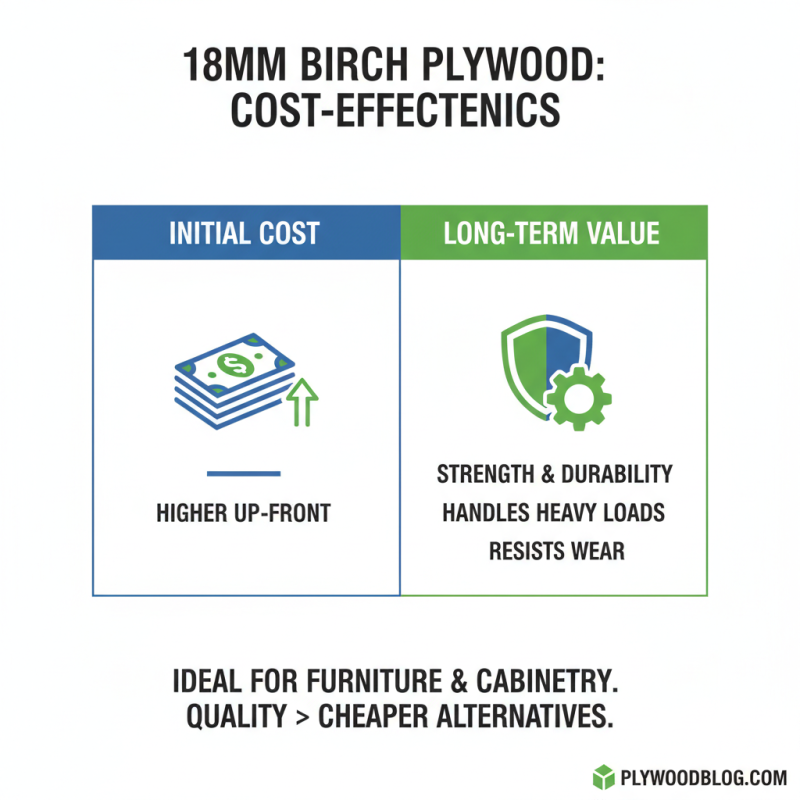
Birch plywood is a versatile material widely used in various projects. Its strength and durability make it ideal for both furniture and cabinetry. The 18mm thickness offers a balance between robustness and weight, making it suitable for load-bearing applications. You might find it perfect for creating custom shelving or sturdy tabletops.
In woodworking, birch plywood stands out for its smooth surface, which accepts stains and finishes well. This characteristic is crucial when aesthetics matter, such as in decorative items. Its fine grain can enhance visual appeal, but the wood can be prone to surface defects. This imperfection means careful selection is paramount. Check each sheet for knots or inconsistencies that could affect your project.
Understanding specific applications helps in choosing the right plywood. For instance, if you plan to use birch plywood in damp areas, consider applying a suitable sealant first. Yet, in dry conditions, it can perform excellently without extensive treatment. Remember, not every project will be perfect, and sometimes adjustments are necessary during the process. The right approach includes being open to changes and finding solutions as needed.