How to Choose the Best Wooden Floor for Your Home?
Choosing a Wooden Floor for your home is a significant decision. It impacts both aesthetics and functionality. According to the National Wood Flooring Association, wood floors can increase a home's resale value by up to 2.5%. This statistic underlines the importance of selecting the right type of wooden floor.
The current market offers a range of options. Solid hardwood and engineered wood are two popular choices. Solid hardwood provides durability and a timeless appeal. Engineered wood, on the other hand, offers better resistance to humidity. A study by the American Hardwood Export Council highlights that hardwood's demand is growing annually by 15%. This trend indicates a shift toward eco-friendly and sustainable building materials.
However, selecting a wooden floor is not without challenges. Factors such as climate, foot traffic, and maintenance must be considered. Some homeowners may overlook these details, leading to regret later. Understanding the pros and cons of each type of wooden floor is crucial. Taking the time to research will ensure you make an informed decision that enhances your living space.
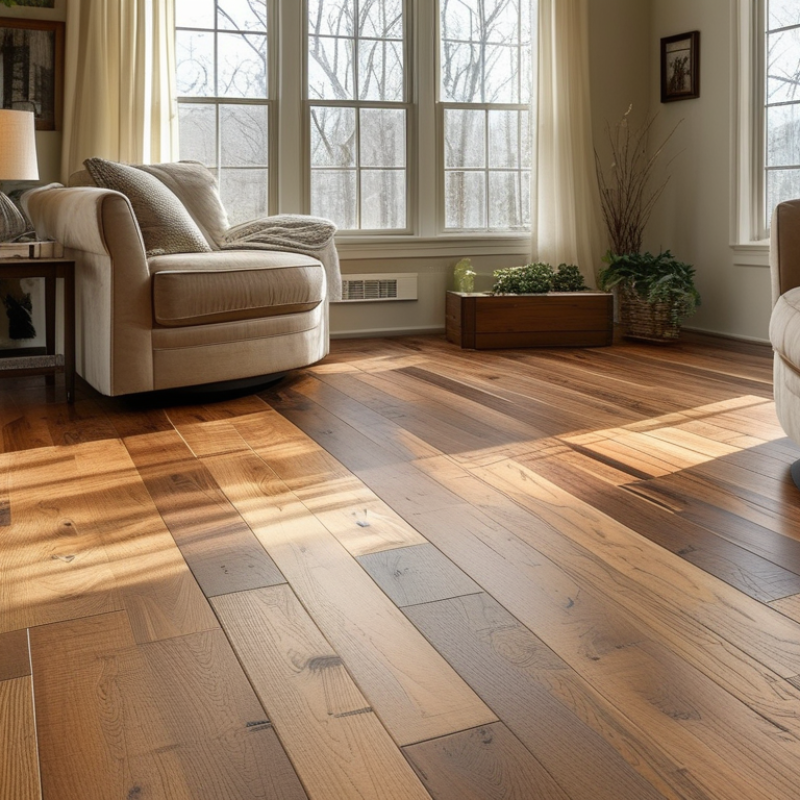
Selecting the Right Type of Wood for Your Floor
Choosing the right type of wood for your floor can seem daunting. It’s essential to consider both aesthetics and durability. Different woods have unique grains, colors, and hardness levels. For example, oak is strong and versatile, while pine is softer and lighter. Each wood type influences the room's atmosphere.
Think about the environment where the flooring will be installed. High-moisture areas may require more stable woods, like bamboo or engineered hardwood. Solid hardwood can warp in humid conditions. You’ll want to factor in how much daily foot traffic the floors will endure. For busy households, tougher options are generally better.
Remember to consider your budget and the long-term maintenance. Some woods need regular treatments, so factor in future costs. Installing hardwood is an investment that enhances your home’s value. Reflect on how different styles resonate with your taste. A little research can help you make a choice you won’t regret.
Understanding Different Wood Species and Their Characteristics
Choosing the right wooden floor involves understanding different wood species and their unique characteristics. Oak is popular for its strength and hardness. It features a prominent grain pattern, making it a favorite for traditional homes. Maple offers a smoother texture and a lighter color, which can brighten up small spaces. However, its softer nature can make it more susceptible to dents and scratches.
Cherry wood presents a rich, warm hue that deepens over time. It is elegant but softer than oak, which calls for careful selection if you have pets or high foot traffic. Pine, on the other hand, is known for its rustic charm and affordability. Its knots lend character, but it can easily show wear and tear, requiring more frequent maintenance.
Understanding the pros and cons of each species helps in making an informed decision. Wood varies greatly in durability, color, and grain. Consider your lifestyle before choosing. Do you prefer a polished look or a more rustic feel? Will you maintain the floor regularly? Reflecting on these factors will lead to a more satisfying choice.
Assessing the Durability and Maintenance Needs of Wooden Floors
When choosing a wooden floor, assessing its durability and maintenance requirements is crucial. Different types of wood have varying lifespans. Hardwoods like oak tend to be more durable than softer options like pine. Knowing the hardness of the wood can help you predict wear over time.
Maintenance can be a significant factor in your decision. Some finishes require regular refinishing to retain their beauty. Others might only need occasional cleaning. Consider your lifestyle. If you have pets or young children, a floor that resists scratches could be important.
Keep in mind that every floor type may require some level of reflection and care. Sealing gaps can prevent dirt accumulation. Choose a wood that not only suits your design vision but also fits into your daily routine and upkeep capacity. Making the right choice can often involve trial and error. Think about how each option aligns with your living habits.
How to Choose the Best Wooden Floor for Your Home? - Assessing the Durability and Maintenance Needs of Wooden Floors
| Type of Wooden Floor | Durability Rating (1-10) | Maintenance Level | Expected Lifespan (Years) | Cost per Square Foot ($) |
| Solid Hardwood | 9 | Medium | 70+ | 8-15 |
| Engineered Wood | 8 | Low | 30-50 | 4-10 |
| Laminate Flooring | 7 | Very Low | 15-25 | 1-3 |
| Bamboo Flooring | 8 | Medium | 20-25 | 3-6 |
| Cork Flooring | 6 | Low | 20-30 | 3-7 |
Evaluating Aesthetics: Color, Grain, and Finish Options
Choosing the right wooden floor for your home involves a careful examination of aesthetics. Color, grain, and finish play vital roles in this decision. The color of your flooring can set the mood of a room. Consider how light enters the space. Darker shades can make a room feel cozier, while lighter tones can create an airy feeling. Each color has its nuances, so test samples in your home’s lighting before finalizing a choice.
Grain patterns add character to wooden floors. Some woods feature a pronounced grain, while others are more subtle. A pronounced grain can draw attention and serve as a stunning focal point. When selecting a floor, think about how the grain complements your furniture and decor. Mixing too many patterns can lead to a chaotic look. Aim for harmony to reflect your personal style.
Choosing the right finish is essential for durability and appearance. A matte finish can offer a modern look, while a glossy finish adds elegance. However, glossy finishes may show scratches more easily. In contrast, matte finishes can sometimes absorb dirt and require more maintenance. Reflect on how much wear and tear your floors will endure. These considerations will help ensure your floors not only look appealing but also withstand the test of time.
Considering Environmental Impact and Sustainability in Wood Choices
When selecting a wooden floor for your home, consider your environmental impact. The source of the wood is crucial. Responsible sourcing ensures that trees are harvested sustainably. Look for certifications like FSC or PEFC, which promote sustainable forestry practices. This adds trust to your choice and reduces deforestation.
Sustainability extends beyond sourcing. Consider the longevity of your wood flooring. Durable options mean fewer replacements over time. Additionally, think about the finish. Non-toxic varnishes and oils are better for indoor air quality. They also minimize harmful emissions. Choosing local materials can lower transportation emissions, enhancing the environmental benefits.
Reflect on the ecosystem impact of your decision. Different types of wood have varying ecological footprints. Hardwoods like oak and maple may take longer to regenerate. Softwoods, like pine, grow faster but might not have the same longevity. Explore reclaimed wood; it gives a unique character and reduces waste. Your choices can support a healthier planet. Each decision counts in creating a sustainable home.
Comparative Analysis of Eco-Friendly Wood Types for Flooring