
Choosing the right Wooden Door Hinge supplier in China requires more than comparing prices. Global buyers need stable materials, accurate machining, reliable communication, and practical quality evidence. A hinge may look simple, yet its knuckle alignment, pin diameter, screw-hole spacing, and finish determine how a door performs over years.
Richard Kreh, a respected door and hardware specialist, once said, “Hardware must serve the door, not compete with it.” This principle remains useful for buyers selecting hinges for residential, hotel, and commercial wooden doors. A dependable supplier should explain steel or stainless-steel grades, load testing, cycle testing, corrosion resistance, and available surface treatments. Product samples should open smoothly, sit flush, and remain quiet during repeated movement.
Small details matter. A loose pin can create a sharp squeak. Poor plating may expose dull spots around the screw holes. Incorrect hinge thickness can leave a visible gap in the door. These problems are easy to overlook in product photographs.
No supplier is perfect. Even experienced factories can miss a packaging detail or produce slight color variation between batches. That is why responsible buyers should request samples, inspection records, dimensional drawings, and clear production checkpoints. This guide examines how to evaluate China-based Wooden Door Hinge manufacturers through workmanship, experience, communication, customization ability, and delivery reliability. It also considers an uncomfortable truth: the lowest quotation may become the most expensive choice after installation failures and replacements.
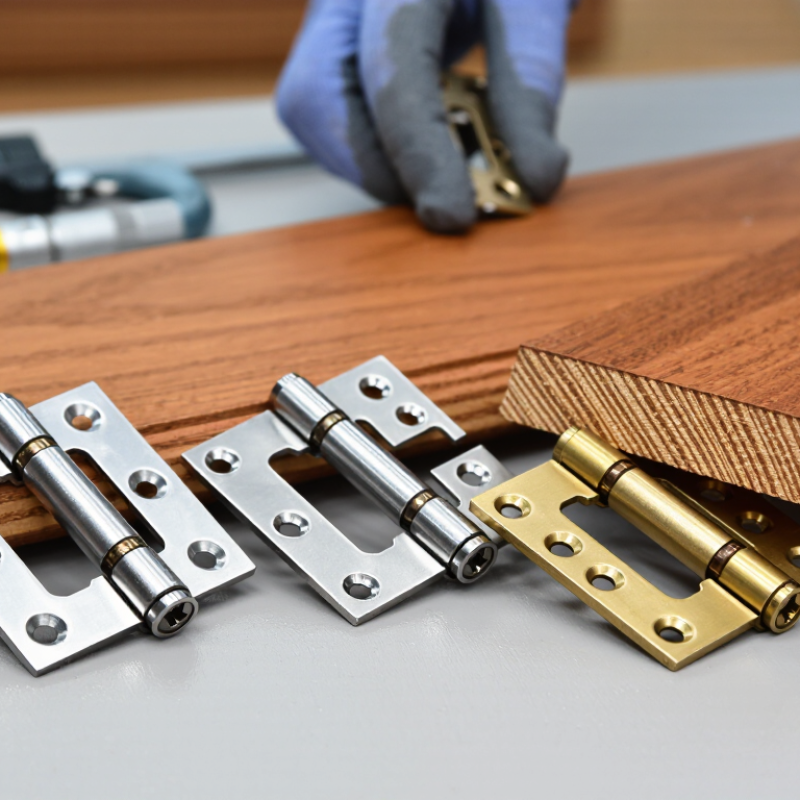
China has become a leading wooden door hinge supplier because its manufacturing network is broad and highly adaptable. In factory audits, buyers often see stamping presses, CNC equipment, polishing lines, and assembly stations working side by side. This setup supports both standard orders and detailed custom specifications. It also reduces delays between sampling, adjustment, and mass production.
Material control is another important advantage. Reliable suppliers check steel thickness, pin hardness, surface coating, and load performance before shipment. For wooden doors, hinge leaves must sit flat against the door edge. Small alignment errors can create noise, uneven gaps, or premature wear. Experienced technicians usually test hinges through repeated opening cycles, not only visual inspection. Some factories also provide samples for fitting tests before production begins.
Communication still needs attention. A low quotation may exclude packaging changes, inspection fees, or special finishes. That can create unpleasant surprises. Clear drawings, tolerance limits, carton details, and inspection standards protect both sides. Not every supplier maintains the same discipline, and production pressure can affect consistency. Buyers should review sample records, verify factory capacity, and request batch photos before shipment. These practical checks make China a strong sourcing destination for wooden door hinges.

China Best Wooden Door Hinge Supplier for Global Buyers
Key Types and Materials of Wooden Door Hinges
Wooden door hinges vary by door weight, opening frequency, and installation style. Butt hinges remain common for interior doors and small timber panels. Ball-bearing hinges reduce friction on heavier doors, especially solid oak or fire-rated assemblies. Pivot hinges suit tall doors and create a cleaner visual line. Concealed hinges hide inside the frame, but they demand accurate routing and careful adjustment.
Material selection affects durability and appearance. Stainless steel handles moisture well in kitchens, coastal homes, and utility rooms. Brass offers a warm surface and develops character over time. Zinc alloy can provide detailed shapes at a lower cost, but its strength varies between grades. Carbon steel supports demanding applications, although it needs a reliable protective finish against rust.
In practical sourcing, I check hinge thickness, screw-hole spacing, pin design, and tested load capacity. A polished finish can mislead. It does not prove long-term performance. Sample testing matters. Install hinges on a real timber door, then observe sagging, squeaking, and screw movement after repeated cycles. Small differences matter. Door moisture also changes alignment, so buyers should confirm tolerances with the supplier. A reliable supplier should provide material details, inspection records, dimensional drawings, and clear packaging information for international shipments. Some specifications still need review after installation.
For global buyers, hinge quality begins long before a wooden door reaches the site. Experienced Chinese manufacturers usually control three points: steel selection, machining accuracy, and final inspection. The 2023 ISO Survey recorded more than 1.2 million ISO 9001 certificates worldwide, showing how widely process-based quality systems are used. Certification alone proves little, though. A factory still needs traceable material records, calibrated gauges, and trained inspectors.
A reliable production line checks sheet thickness, pin diameter, knuckle alignment, and screw-hole position. Inspectors often use vernier calipers and go/no-go gauges beside the press line. Sample hinges are opened and closed repeatedly to expose rough edges, loose pins, or uneven movement. Salt-spray testing also helps evaluate corrosion resistance, while load testing follows relevant hardware standards such as EN 1935 or ANSI/BHMA requirements. Small errors matter. A hinge installed two millimeters off-center can make a heavy wooden door scrape the frame.
Factory audits should examine rejected parts, not only polished samples. That is where real quality evidence appears. Some suppliers improve quickly after complaints, but their corrective records may remain incomplete. This is a weakness worth discussing openly. Buyers should request inspection reports, batch numbers, coating thickness results, and pre-shipment photos. Independent testing adds confidence, especially for large orders. Still, no inspection removes every risk. Clear tolerances, approved samples, and written acceptance criteria remain essential.
Material verification is a key quality-control step for wooden door hinges. The chart shows representative midpoint values from common stainless-steel grade composition ranges used for incoming-material inspection. Manufacturers can verify these elements with supplier certificates and handheld XRF or PMI testing before production.
The figures represent typical midpoint values for chromium, nickel, and molybdenum composition ranges in 304 and 316 stainless steel. In production, additional checks normally include sheet thickness, hinge dimensions, surface finish, screw-hole accuracy, load performance, and corrosion resistance.
Choosing the right China supplier requires more than comparing unit prices. Global projects need stable dimensions, clear documentation, and repeatable production. Grand View Research reported that the global door hardware market reached about USD 18 billion in 2023. It also expects continued growth through 2030. This demand increases supplier competition, but quality can vary sharply.
Ask for hinge samples from the same production line used for your project. Check screw-hole alignment, pin movement, leaf thickness, and surface consistency. For coastal buildings, request salt-spray test results and corrosion-resistant material details. ISO 9001 certification can support process control, but it does not replace factory verification. Request production photos, inspection records, packaging tests, and traceability codes. A supplier who answers vaguely may create expensive delays later.
Tips: Compare three suppliers using the same technical sheet. Confirm load capacity with test evidence, not promises. Ask about mold ownership and replacement lead times. Specify carton dimensions before booking freight. Also, test a “normal” sample and a deliberately rough sample. The second test may reveal weak plating or loose pins. It feels unnecessary, but real sites are rarely gentle. World Bank logistics research shows that international supply chains remain vulnerable to delays and documentation gaps. I have seen a small packaging mistake damage hundreds of hinges. Supplier selection should include communication speed, corrective-action records, and realistic delivery capacity. Price still matters, but it should not lead the decision.
China Best Wooden Door Hinge Supplier for Global Buyers
Ordering, Customization, and Export Support for Buyers
Choosing a wooden door hinge supplier requires more than comparing unit prices. In my experience, hinge performance depends on material, pin strength, screw quality, and installation accuracy. Small details matter. Buyers should request product drawings, load data, finish samples, and cycle-test information before placing a large order. A practical supplier can explain how each hinge suits interior doors, solid wood doors, or heavier entry doors. The first quotation is rarely the final answer.
Customization should begin with clear measurements. Share door weight, hinge size, corner radius, finish, mounting pattern, and expected quantity. Suppliers may adjust thickness, bearing structure, screw holes, packaging, and surface color. A sample is essential. Samples reveal problems. One lesson I learned is that a beautiful finish cannot compensate for loose movement or poor screw alignment. Allow time for sample approval, especially when the design is unusual.
Export support also affects the real buying cost. Confirm carton dimensions, pallet requirements, shipping marks, lead time, and inspection procedures. Reliable suppliers should prepare commercial invoices, packing lists, and other documents required for the destination market. They should also explain accepted trade terms and production milestones clearly. Communication can still fail when technical terms are vague. Ask precise questions, record approved specifications, and inspect random cartons before shipment. This simple discipline reduces surprises at the warehouse.

Signup our newsletter to get update information, promotion or insight.