
Blog

China Top External Wall Light Suppliers for Global Buyers

Choosing reliable China External Wall Light suppliers requires more than comparing prices on a product page. Global buyers need evidence of manufacturing experience, stable quality control, and practical export support. A capable supplier should explain lumen output, beam angle, color temperature, IP rating, and expected service life clearly. These details matter when a fixture faces coastal rain, winter frost, or dusty commercial streets.

Look closely at the materials. Aluminum housings, tempered glass, sealed cable entries, and corrosion-resistant finishes can influence long-term performance. Ask for product drawings, photometric files, sample units, and inspection records before confirming a large order. Factory audits, production photographs, and independent testing reports may also strengthen confidence. Certifications should match the target market and remain traceable, rather than appearing as vague marketing claims.

Real projects reveal more.

Suppliers serving hotels, residential developments, and public landscapes may understand installation challenges better than trading companies. They should discuss packaging, spare parts, warranty handling, and communication after shipment. Custom designs can be useful, but they often introduce tooling costs, longer lead times, or untested assumptions. Buyers should challenge attractive promises and request measurable commitments.

No supplier is perfect. Even experienced factories can experience component delays or finish inconsistencies. That weakness should be acknowledged and managed through approved samples, staged inspections, and written specifications. This guide examines China’s leading External Wall Light suppliers from a buyer’s perspective, focusing on product capability, credibility, customization, compliance, and dependable international cooperation.
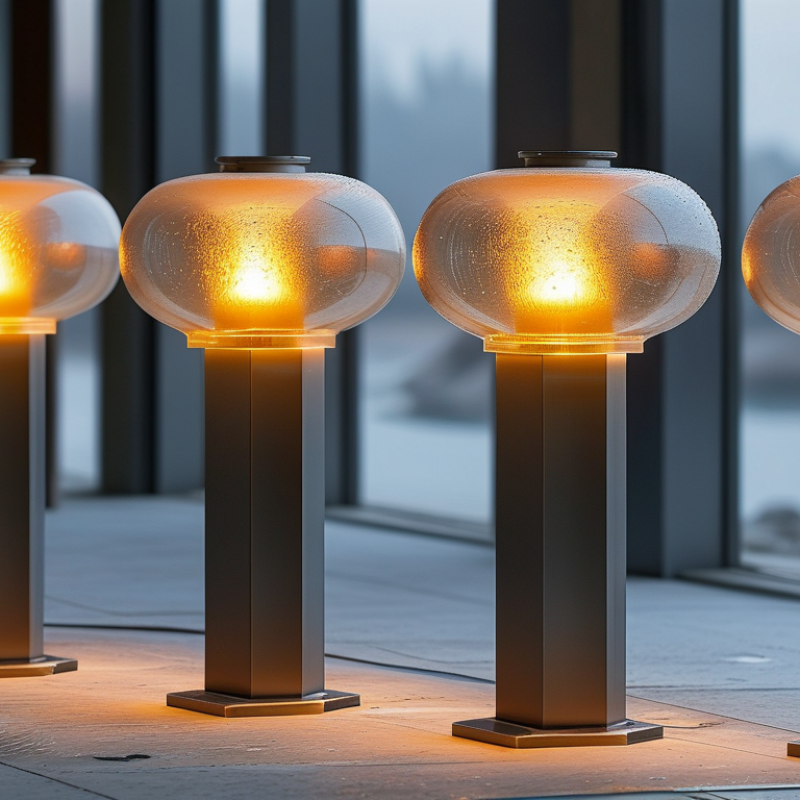
China Top External Wall Light Suppliers for Global Buyers

Understanding China’s External Wall Light Manufacturing Landscape

China’s external wall light manufacturing landscape is broad, export-oriented, and highly segmented. The United Nations Comtrade database lists China as a major exporter under HS 9405, covering lighting equipment and illuminated fittings. However, this code includes several product types, so trade data cannot identify wall lights precisely.

Energy efficiency shapes factory decisions. The International Energy Agency estimates that lighting uses about 15% of global electricity. This supports strong demand for LED wall fixtures, especially models with efficient drivers, sealed housings, and replaceable components. Outdoor lighting market studies from Mordor Intelligence also indicate steady growth, although their categories differ. Buyers should question every market percentage.

Factory capability varies sharply. Some workshops focus on die-cast aluminum bodies, while others assemble imported drivers and lenses. A serious supplier should provide IP testing, surge protection records, photometric files, and salt-spray results. Ask for production samples, not only catalogue images. A bright sample can still have poor thermal control.

Weather resistance remains a practical weakness. An IP65 label does not guarantee long service in coastal conditions. Material thickness, gasket compression, coating quality, and cable-entry design matter. IEC 60598 testing offers a useful technical reference, but laboratory compliance does not replace installation checks. Cost comparisons often ignore packaging damage, spare parts, and inconsistent color temperature. This is where many purchasing plans become too optimistic.

Key Types of External Wall Lights Offered by Chinese Suppliers

Chinese suppliers offer several external wall light types for different building needs. Up-and-down wall lights create a clean vertical beam on façades. They suit hotels, villas, restaurants, and modern commercial entrances. Traditional wall sconces provide softer illumination near doors and walkways. Many models use aluminum bodies, tempered glass, and corrosion-resistant powder coatings.

Bulkhead lights are practical for coastal buildings, garages, and service corridors. Their sealed housings often support IP65 or higher protection against dust and rain. Flood wall lights deliver broader beams for courtyards, loading areas, and security zones. Some suppliers also produce adjustable step lights, which guide movement without producing harsh glare. Solar wall lights can reduce wiring work, but their performance depends heavily on sunlight and battery quality.

During product checks, buyers should compare lumen output, beam angle, color temperature, and driver efficiency. Ask for photometric files, IP test reports, and sample approval before larger orders. Small details matter. Check screw material, gasket fit, cable length, and mounting strength. I have found that attractive samples can hide weak finishes or uneven light distribution. A lower price may also mean shorter driver life. Suppliers with clear inspection records, stable specifications, and responsive technical support usually provide safer purchasing decisions for global projects.

How to Evaluate China-Based Wall Light Suppliers

How to Evaluate China-Based Wall Light Suppliers

Choosing China-based external wall light suppliers requires more than comparing online prices. A dependable supplier should explain material choices, production capacity, and quality controls clearly. Ask for recent factory photos, business qualifications, and detailed product specifications. A polished showroom can mislead. Verification matters.

For outdoor wall lights, check the housing material, coating process, LED efficiency, color temperature, and rated lifespan. Request independent test reports for ingress protection, electrical safety, and impact resistance when required by your market. Review sample units in real conditions. Install one near a wet entrance and inspect water sealing, surface finish, heat control, and screw quality. Keep written records. Small details often reveal larger weaknesses.

Tips: Compare samples from at least two suppliers. Confirm tolerances, packaging strength, spare parts, warranty terms, and production lead times. Ask how rejected units are handled. A serious supplier should provide inspection photos before shipment and accept reasonable third-party quality checks. Communication speed also matters, but fast replies do not prove reliable manufacturing. Payment terms deserve careful review. Avoid choosing only by the lowest quotation, because thin metal, weak coatings, or inconsistent LEDs may create replacement costs later. No evaluation is perfect. Recheck key claims before placing a large order.

China Top External Wall Light Suppliers for Global Buyers - How to Evaluate China-Based Wall Light Suppliers

Evaluation Dimension Practical Benchmark Recommended Evidence Why It Matters Buyer Assessment
Product Application Confirm whether the luminaire is designed for exterior walls, entrances, pathways, façades, or coastal environments. Technical datasheet, installation drawing, photometric file, and application photographs. Outdoor wall lights must match the mounting position, exposure level, beam direction, and intended lighting effect. Must Verify
Ingress Protection IP44 provides protection against water splashes; IP65 provides dust-tight protection and resistance to water jets. Product marking, test report, and model-specific laboratory documentation. Higher water and dust protection is generally more suitable for exposed outdoor installations, but the rating must match the actual design. High Priority
Electrical Safety For international orders, confirm compatibility with the destination market’s voltage, frequency, grounding, and safety requirements. Wiring diagram, input specification, insulation details, and applicable conformity documents. Electrical compatibility reduces installation problems, safety risks, and customs or project-delivery delays. Must Verify
Operating Voltage Common lighting inputs include 220–240 V AC, 110–120 V AC, and selected low-voltage DC systems. Model-specific label, driver specification, and sample test under the buyer’s local power conditions. The correct input range helps prevent flicker, overheating, premature failure, or incompatibility with the building electrical system. High Priority
LED Efficiency Compare complete-luminaire efficacy in lumens per watt (lm/W), rather than evaluating the LED chip alone. Independent test report or photometric report showing input power and delivered lumens. Whole-fixture efficacy provides a more realistic basis for energy consumption and operating-cost comparisons. Compare Samples
Color Performance Typical exterior applications use 2700–3000 K for warm ambience, 4000 K for neutral appearance, and 5000–6500 K for cooler white light. Color-temperature specification, color-rendering data, and photographs taken under controlled conditions. Color temperature affects architectural appearance, visual comfort, and consistency across a project. Project Specific
Color Rendering For general outdoor areas, CRI 80+ is a common baseline; higher CRI may be preferred where material and color appearance are important. LM-80, TM-21, or luminaire-level photometric documentation where applicable. Higher color rendering can improve the appearance of façades, landscaping, signage, and entrance areas. Project Specific
Surge Protection Ask for the surge-protection rating in kilovolts and clarify whether protection is integrated into the fixture or supplied separately. Driver datasheet, circuit diagram, and test documentation for the complete luminaire. Outdoor fixtures can be exposed to switching events and electrical surges, especially on long exterior cable runs. High Priority
Thermal Management Review heat-sink construction, driver placement, ventilation strategy, and rated ambient operating temperature. Material specification, thermal test results, and sample operation at the stated ambient temperature. Effective heat dissipation supports LED output stability and longer component life. Must Verify
Material and Finish Common outdoor housing materials include aluminum alloys, stainless steel, glass, and UV-resistant polymers. Material declaration, coating specification, salt-spray data where relevant, and finish samples. Housing and coating quality influence corrosion resistance, appearance retention, and service life. Coastal Check
Photometric Control Evaluate beam angle, upward light, glare control, cut-off design, and light distribution for the mounting height. IES or LDT file, polar curve, lux simulation, and completed sample installation. Accurate distribution helps achieve uniform illumination while reducing glare and unwanted light spill. Compare Samples
Testing and Quality Control Use documented incoming-material checks, assembly inspection, electrical safety testing, aging tests, and final inspection. Quality-control procedure, inspection checklist, sample test records, and corrective-action process. A repeatable quality system is more reliable than a single successful sample. High Priority
Customization Capability Assess options for dimensions, finish, color temperature, beam angle, cable length, mounting accessories, and dimming. Engineering drawings, prototype process, tooling terms, minimum order quantity, and change-control procedure. Clear customization procedures reduce specification errors in architectural and commercial projects. Project Specific
Minimum Order Quantity Request separate quantities for standard products, customized products, samples, and replacement parts. Written quotation with quantity tiers, tooling fees, sample charges, and validity period. Transparent quantity rules help buyers calculate landed cost and avoid unexpected production charges. Cost Check
Lead Time and Capacity Confirm sample lead time, mass-production lead time, monthly capacity, and peak-season production constraints. Production schedule, capacity statement, order milestones, and shipment history with sensitive details removed. Realistic planning is essential for construction schedules, container booking, and project handover. Schedule Check
Packaging and Logistics Packaging should protect glass, finishes, drivers, mounting hardware, and fragile protruding parts during international transport. Packaging photographs, carton dimensions, gross weight, drop-test procedure, and export packing list. Proper packaging reduces transit damage, claims, rework, and replacement costs. Must Verify
Warranty and Spare Parts Review warranty duration, covered components, exclusions, claim evidence, response time, and spare-part availability. Signed warranty terms, driver and LED replacement policy, and after-sales contact procedure. Clear after-sales terms protect the buyer’s maintenance budget and long-term project performance. High Priority
Sample Validation Test at least one production-representative sample for appearance, dimensions, light output, heat, wiring, and water-resistance requirements. Approved sample, signed specification sheet, photographs, and pre-shipment inspection report. Sample approval creates a measurable reference for mass-production quality and dispute resolution. Essential Step
Total Cost of Ownership Compare unit price together with energy use, freight, installation accessories, maintenance, replacement parts, and expected service requirements. Itemized quotation, energy estimate, maintenance assumptions, and landed-cost calculation. The lowest purchase price may not provide the lowest long-term project cost. Final Review

Quality, Certification, and Compliance Requirements for Global Buyers

Global buyers evaluating external wall lights need more than a polished product photo. The critical questions concern safety, durability, and documented compliance. Ask for test reports, declarations, wiring diagrams, and production samples before placing a large order. A supplier should explain which laboratory conducted each test. Check the dates.

For outdoor installations, review the declared IP rating, impact resistance, corrosion protection, and operating temperature. IP65 may resist water jets, but it does not guarantee performance in coastal air or freezing weather. Materials matter. Aluminum coatings, stainless hardware, gasket quality, and cable entries deserve physical inspection. Request samples from the same production process, not specially prepared showroom units. This step often reveals uneven paint, loose seals, or poorly finished threads.

Certification requirements vary by destination and product configuration. European shipments may require applicable CE documentation, while other markets can request different marks, reports, or electrical approvals. Never treat a certificate as universal. Confirm the exact model, voltage, driver, and factory address listed on every document. A reliable supplier supports traceability through batch records, inspection photos, and corrective-action reports. Still, no supplier is perfect. We have seen specifications change between samples and mass production, so written approval gates are worth adding to the purchasing contract.

Ordering, Customization, and International Shipping Considerations

China Top External Wall Light Suppliers for Global Buyers

Ordering exterior wall lights from China requires more than comparing unit prices. Share clear drawings, wall dimensions, mounting details, and target light output before requesting quotations. Ask suppliers for material specifications, IP ratings, photometric files, sample photos, and production lead times. A sample should be tested outdoors, not only inspected on a desk. Small details matter, such as cable length, screw quality, drainage holes, and finish consistency.

Customization can cover housing shapes, colors, logos, beam angles, and packaging. However, every change may affect tooling costs, minimum order quantities, or delivery dates. Confirm whether the quoted price includes molds, sample development, testing, and export packaging. Request a pre-production sample for approval. Keep written records. Verbal promises become unclear across time zones. One practical mistake is approving a beautiful sample without checking its installation method.

International shipping needs careful planning. Confirm the destination voltage, plug requirements, labeling rules, and requested compliance documents before production begins. Discuss Incoterms, carton dimensions, gross weight, insurance, and customs paperwork with the supplier. Strong foam protection and moisture-resistant inner bags can reduce transit damage. Use independent inspection when the order is large. It costs extra, but replacement shipments cost more. Build buffer time into the schedule; port delays and document corrections happen. The cheapest quote is rarely the safest final cost.