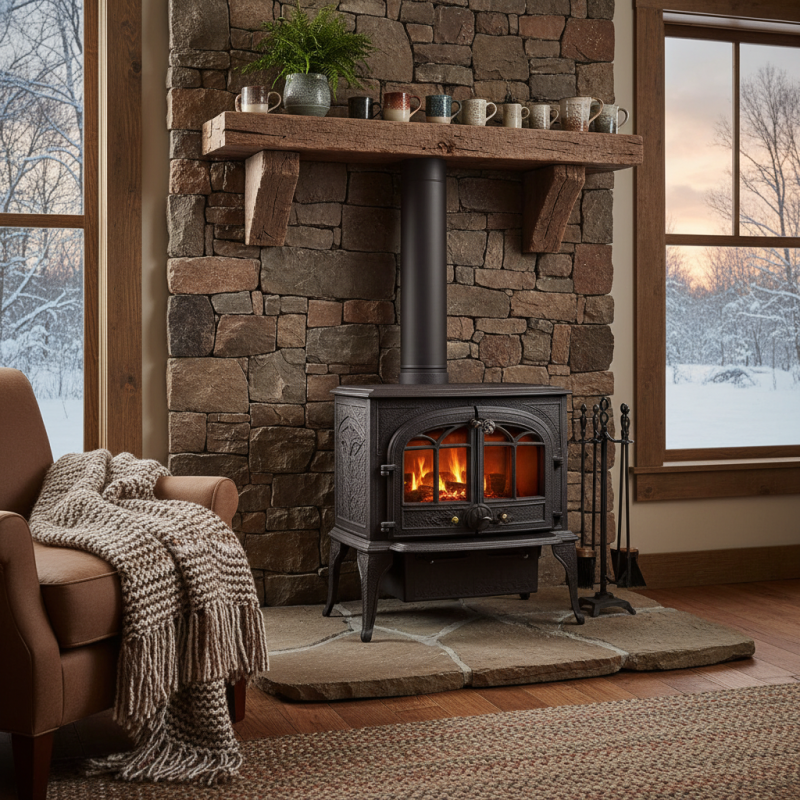
What is a cast iron stove and how does it work?
A cast iron stove has become a staple in many homes. It combines functionality with a classic design. According to expert Emily Johnson, "A cast iron stove is not just an appliance; it's a piece of history." This captures the essence of how these stoves bridge past and present.
cast iron stoves work by efficiently radiating heat. They store warmth and release it slowly over time. This feature makes them energy-efficient and ideal for long winters. However, some users may find them heavy and tricky to install. The weight can be both a blessing and a challenge.
Choosing a cast iron stove requires careful consideration. It needs to fit your space and style. Not every model is perfect for every home. Some stoves can take a while to heat up. Others may require more maintenance than expected. Reflect on these factors before making a decision.
What is a Cast Iron Stove?
A cast iron stove is a type of cooking appliance made from cast iron. This material is known for its durability and heat retention. Cast iron stoves have been used for centuries, providing a reliable source of heat and cooking ability in homes. One notable study by the American Society of Heating, Refrigerating and Air-Conditioning Engineers reveals that cast iron stoves can be up to 85% efficient in fuel use. This efficiency is a significant improvement over many older heating methods.
Cast iron stoves work by utilizing a solid fuel source, such as wood or coal. When the fuel burns, the cast iron absorbs and radiates heat into the surrounding area. The thick walls of cast iron retain heat for an extended period, even after the fire has died down. This means warm air can fill a room without constant refueling. In homes where fuel efficiency is essential, a cast iron stove can be a wise investment.
Tip: Regularly check for cracks and wear on your stove. This maintenance can prevent hazardous situations and ensure optimal performance.
Another benefit of cast iron stoves is their cooking versatility. They can be used for simmering, frying, or baking. However, some users may find that temperature control requires practice. Learning to gauge heat levels may take time. Cooking enthusiasts often recommend starting with tried-and-true recipes to build confidence. Pay attention to your stove’s performance and adjust as needed.
The History of Cast Iron Stoves
The history of cast iron stoves dates back to the 18th century. These stoves transformed how people cooked and heated their homes. Initially, they were designed in Europe, particularly in Germany and England. Craftsmen created unique designs, showcasing both functionality and artistry.
Over time, cast iron stoves gained popularity in North America. They offered better heat retention compared to traditional fireplaces. Families appreciated the efficiency and warmth. The ability to cook and heat a room simultaneously was revolutionary. Many homes featured ornate designs, making stoves a focal point in kitchens.
Tips: When using a cast iron stove, ensure proper ventilation. This helps prevent gas buildup. Always monitor the temperature to avoid overheating. Regular maintenance is crucial. A well-cared-for stove can last generations. These stoves can also require patience; they take time to heat up, but the warmth they provide is worth the wait.
How Does a Cast Iron Stove Work?
A cast iron stove is a classic heating appliance known for its efficiency. It operates using a straightforward design. The main body is crafted from cast iron, allowing it to retain heat for extended periods. This material is essential for the stove's ability to radiate warmth even after the fire has died down.
The stove functions by burning wood or solid fuels. Once ignited, the fire heats the cast iron surfaces. Airflow is crucial; adjustments help control the flame's intensity. Users must carefully manage the intake of air to achieve optimal burn rates. Too much air can lead to faster burning; too little can smother the fire. This balance is what makes some users struggle. They may find it challenging to maintain consistent heat.
Another aspect is the stove’s efficiency in heating spaces. It typically distributes warmth evenly. However, some designs may not circulate air as effectively. This can result in cold spots in a room. Homeowners must place furniture strategically to benefit from the heat. It’s a matter of reflection on space utilization and design. Ultimately, learning to operate a cast iron stove can be a rewarding experience.
Benefits of Using a Cast Iron Stove
Cast iron stoves have surged in popularity due to their efficiency and durability. One major benefit lies in their heat retention capabilities. According to the U.S. Department of Energy, cast iron can retain heat for up to three hours after the fire has gone out. This feature not only maximizes heating efficiency but also helps lower energy costs. Homeowners report reduced heating bills by up to 30% when using a cast iron stove compared to traditional heating methods.
The design of cast iron stoves contributes significantly to their effectiveness. They distribute heat evenly, which creates a comfortable living space. A study from the Journal of Environmental Management notes that using a cast iron stove can reduce carbon emissions by nearly 60%. However, not all stoves are energy-efficient. It’s crucial to choose a model that meets emissions standards. Many models can emit pollutants if not maintained properly.
Despite these advantages, some users find the initial investment high. The average cast iron stove may cost between $1,500 and $3,000, not including installation. Maintenance is also time-consuming; regular cleaning and inspections are essential for optimal performance. Many homeowners underappreciate this aspect. Balancing costs and benefits requires careful consideration.
Benefits of Using a Cast Iron Stove
Maintenance and Care for Cast Iron Stoves
Maintaining a cast iron stove requires regular care. These stoves are durable, but neglect can lead to rust and damage. After each use, clean the stove thoroughly. Remove ashes and food residue. A damp cloth works wonders for this task. Make sure to dry it completely to prevent rust.
Seasoning is an essential part of care. This process involves applying a thin layer of oil to the surface. It creates a non-stick layer and protects the metal. Use vegetable oil or flaxseed oil for best results. Heat the stove to allow the oil to penetrate. It’s a simple step, yet easy to overlook.
Inspect the stove periodically for cracks or loose parts. Small issues can escalate if ignored. If the stove produces a lot of smoke, check the flue. Clean the chimney regularly too. A clear path for smoke is crucial. Skipping these steps can lead to dangerous situations. A little attention goes a long way in keeping the stove safe and functional.