Hex Head Wood Screws Buying Tips for Global Buyers
When it comes to woodworking projects, hex head wood screws play a vital role in ensuring strong and reliable connections. Choosing the right screws can significantly impact the quality and durability of your work. Global buyers often face challenges when selecting these essential components. Factors such as material, size, and compatibility with tools must be carefully considered.
Firstly, understanding the different types of hex head wood screws is crucial. These screws vary in coating, head design, and thread type. For instance, you might prefer a zinc-coated screw for outdoor projects, as it offers better corrosion resistance. However, this choice could affect aesthetics. Many buyers overlook the balance between performance and visual appeal.
Secondly, the sourcing process is another key area of concern. Not all suppliers guarantee high-quality hex head wood screws. It’s vital to research suppliers thoroughly and consider their reputation in the industry. Reading reviews and seeking recommendations can help you avoid subpar products. Making the right choice will prevent wasted time and resources, ultimately enhancing your woodworking experience.
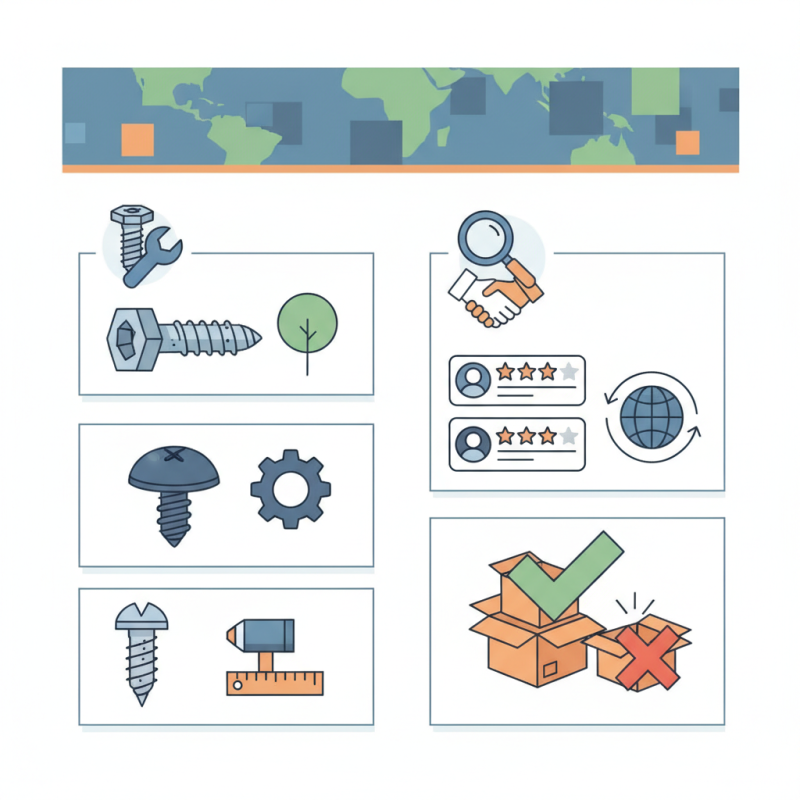
Understanding Hex Head Wood Screws: Types and Uses
Hex head wood screws are essential in various woodworking projects. They provide a strong grip in different materials, from hardwood to softwood. A hex head design allows for easy installation with a wrench or socket, making them user-friendly for both professionals and DIY enthusiasts.
When choosing hex head wood screws, consider the material and size. Stainless steel offers corrosion resistance, while coated screws enhance durability. The length and diameter must suit your specific project needs. For instance, a longer screw is ideal for joining thicker materials. Shorter screws work well for lighter applications.
Not all screws are created equal. Some may bend under pressure or fail to grip properly. It's crucial to test screws for your intended use. This ensures reliability over time. Reflecting on these details can save time and resources. Always consider your project requirements carefully.
Hex Head Wood Screws: Usage and Material Types
Key Specifications to Consider When Buying Hex Head Wood Screws
When purchasing hex head wood screws, understanding the key specifications is crucial for optimal performance. First, consider the material of the screws. Common options include stainless steel, brass, and coated steel. Stainless steel screws resist corrosion, making them ideal for outdoor applications. According to recent industry reports, over 30% of buyers prefer stainless steel for its longevity and strength.
Thread design is another vital factor. Coarse threads usually offer better holding power in softwoods, while finer threads work well in hardwoods. A significant percentage of professionals recommend selecting screws that match the wood type for maximum grip and durability.
Tips: Measure the wood thickness accurately. Make sure to choose screws long enough to penetrate deep, ensuring secure fitting. Always test a few screws in different wood types before large-scale use. This can save you time and resources. Seek advice from suppliers or use technical specifications provided in reports. Relying on expert insights can significantly enhance your purchasing decision.
Hex Head Wood Screws Buying Tips for Global Buyers - Key Specifications to Consider When Buying Hex Head Wood Screws
| Specification | Description |
| Material | Common materials include stainless steel, carbon steel, and brass. |
| Size | Available in various lengths and diameters; consider the application needs. |
| Thread Type | Different thread types such as coarse, fine, or self-tapping for specific applications. |
| Coating | Coatings like zinc plating or painting enhance corrosion resistance. |
| Head Type | Hex head design allows for better torque application and easier installation. |
| Drive Type | Common drive types include hex, Torx, and slotted for different tools. |
| Packaging | Screws can be purchased in bulk or small packages depending on user needs. |
Material Options for Hex Head Wood Screws: Pros and Cons
When considering hex head wood screws, material selection is crucial. Common options include steel, stainless steel, and brass, each with unique pros and cons. Steel screws are robust and often cost-effective. However, they are prone to rust if not treated. Stainless steel screws resist corrosion, making them ideal for outdoor projects. Unfortunately, they can be more expensive. Brass screws offer aesthetic appeal but may not withstand heavy loads.
Tip: Always consider the environment where the screws will be used. For outdoor applications, opt for stainless steel to prolong longevity.
Choosing the right material also affects performance and durability. According to recent data from the Fastener Quality Act, improper material can lead to structural failures. For example, using uncoated steel screws in moist conditions can compromise a project’s integrity.
Tip: Verify the screw grade for your project's demands. A higher grade often means better tensile strength.
Take time to assess the specific needs of your application. Sometimes, a less common material might offer better performance for unique projects. Don’t rush this decision; careful evaluation pays off in the long run.
Quality Indicators: How to Identify Reliable Hex Head Wood Screws
When selecting hex head wood screws, quality indicators play a crucial role. Look for materials that are durable and resistant to rust. Stainless steel or coated screws are often preferable. Examine the screw’s threading; deep, sharp threads enhance grip. This is vital for ensuring a secure installation in wood.
Pay attention to the screw head design. A well-formed hex head provides better torque transfer, leading to easier tightening. Inspect the surface finish as well. A smooth finish can reduce friction, making installation easier. Unfortunately, some screws may appear fine but lack strength. Testing a few before large purchases is a prudent step.
Check for reliable certifications. This is an indicator of the manufacturer’s standards for quality. Research reviews and seek out user experiences. Quality control varies widely among suppliers. Each tiny detail counts when reliability is at stake. Don’t overlook visual inspections; minor defects can affect performance. Each buy necessitates careful scrutiny to avoid potential problems.
Buying from Global Suppliers: Tips for Effective Sourcing
When sourcing hex head wood screws from global suppliers, buyers should prioritize quality and reliability. A recent industry report highlighted that about 30% of imported screws fail basic quality tests. Proper vetting of suppliers is essential to avoid such pitfalls. Evaluate their production processes and quality control measures. Request detailed specifications and certifications. This will help ensure the screws meet international standards.
Another key aspect is understanding the supply chain dynamics. According to data from the International Trade Center, over 50% of sourcing issues stem from communication gaps. Clear and direct communication with suppliers is critical. Discuss delivery schedules and inventory capabilities. Misunderstandings can lead to delays or increased costs. Establishing a reliable point of contact helps in resolving issues promptly.
Geographic factors should also be taken into account. Shipping costs and times vary significantly by region. A report from Freightos indicates that Asian suppliers offer lower prices, but longer lead times. In contrast, suppliers from North America may provide quicker shipping with higher prices. Carefully weigh these factors against your project deadlines and budget constraints. This reflects the importance of thoughtful planning in the sourcing process.