10 Best Uses for Baltic Birch Plywood in Your Projects?
Baltic birch plywood is celebrated by many craftsmen and DIY enthusiasts. Its unique qualities make it a prime choice for various projects. The strong, durable layers of this material offer both stability and beauty. When you consider its fine grain and light color, it becomes an attractive option for furniture and decor.
Using baltic birch plywood can elevate your creations. It has remarkable machinability, allowing for intricate cuts and designs. This feature is particularly useful when crafting items like custom cabinets or detailed shelving. However, its cost may be higher than ordinary plywood, which can push some projects beyond budget.
Many people overlook its potential for smaller crafts. Baltic birch plywood can be used in making toys, decorative items, and even art pieces. Each piece tells a story through its texture and finish. For anyone looking to experiment, this material opens up countless opportunities. Yet, it’s essential to approach its use thoughtfully, especially for beginner woodworkers. There’s much to learn, and each project should be a chance to grow.
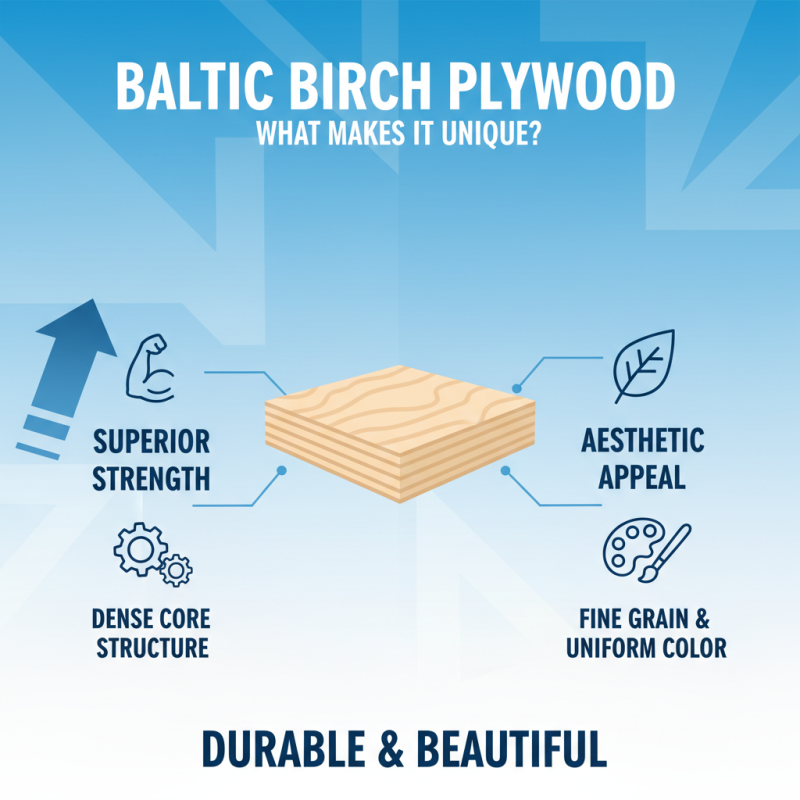
Baltic Birch Plywood Overview: What Makes It Unique?
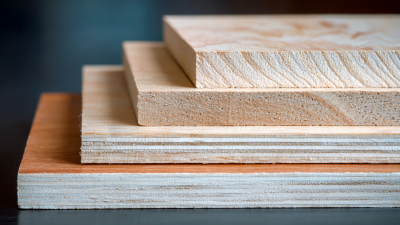
Baltic Birch plywood stands out due to its superior strength and aesthetic appeal. Made from multiple layers of birch veneer, it features a dense core structure. This construction offers increased durability. Additionally, its fine grain and uniform color make it visually striking. These qualities spotlight its use in various projects.
The versatility of Baltic Birch plywood is notable. It is often employed in cabinetry, furniture, and even toys. According to industry reports, this plywood type has a tenacious strength-to-weight ratio. Compared to other plywood types, it resists warping and splitting better. However, some users find the cost higher than standard plywood. This can be a barrier for budget-sensitive projects.
Despite its popularity, some challenges remain. The thickness options can be limited. While thicker sheets provide strength, they can be heavy and hard to handle. Potentially, this may lead to design constraints. Furthermore, working with Baltic Birch requires precision. It may not be ideal for novice woodworkers. Understanding how to cut and paint without chipping is crucial for achieving the best results.
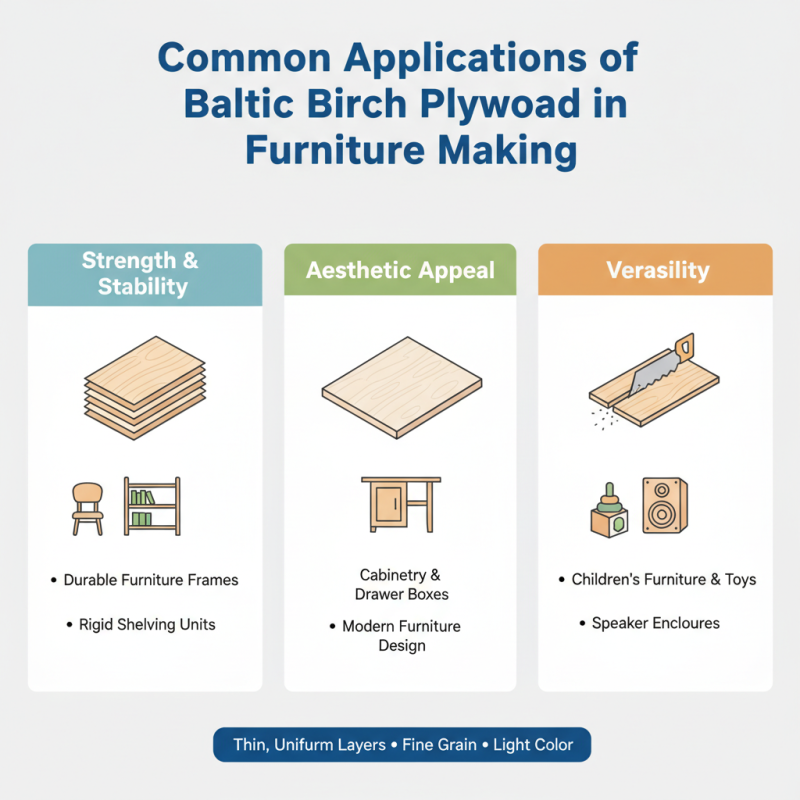
Common Applications of Baltic Birch Plywood in Furniture Making
Baltic Birch plywood stands out in furniture making for its unique qualities. This plywood features multiple thin layers of birch veneer, providing strength and stability. Its fine grain and light color make it an attractive choice for various projects.
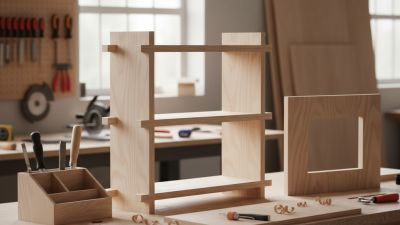
Designers often incorporate Baltic Birch into cabinets and shelving. The durability of the wood ensures that shelves can hold heavy items without sagging. According to industry reports, Baltic Birch has a higher load capacity compared to other plywood types, making it ideal for functional furniture. The smooth surface offers an excellent base for painting or staining, enhancing its aesthetic appeal.
**Tips:** When using Baltic Birch, consider its tendency to splinter when cut. Use a fine-toothed saw for cleaner edges. Additionally, pre-drill holes before screwing to prevent the wood from splitting.
Another popular application is in tabletops and desks. Its resistance to moisture helps maintain the integrity of the furniture. Some craftspeople are exploring its use in innovative designs, such as modular furniture. These pieces can be rearranged as necessary, perfect for small spaces. However, over-reliance on this material might limit creativity in design, leading to a repetitive look. Strive for balance in your choices.
Creative Uses for Baltic Birch Plywood in Home Decor Projects
Baltic birch plywood is a versatile material that can elevate your home decor projects. Its unique grain and sturdy nature make it ideal for various creative ideas. Consider using it for shelving units. The warmth of the wood adds a cozy touch to living spaces. It can also provide practical storage solutions.
Floating shelves made from Baltic birch can be visually striking while saving floor space.
Another creative application is in wall art. You can cut the plywood into shapes or designs that resonate with your style. Paint them in vibrant colors or leave them with a natural finish. This technique fosters a unique aesthetic in your home. Moreover, Baltic birch can be used for furniture. Simple side tables or stools not only serve a purpose but also highlight craftsmanship.
However, working with plywood requires some care. The edges might splinter if not treated properly. Sanding them down can solve this issue, but it takes time. Mistakes can lead to wasted material, which is frustrating. Embrace imperfections; they often lead to innovative solutions or unique designs. Creating with Baltic birch plywood is not just about results—it's about the process, too.
Advantages of Using Baltic Birch Plywood for Crafting and DIY
Baltic birch plywood is a favorite among crafters and DIY enthusiasts. Its construction features multiple layers of birch veneer. This gives it strength and stability. The fine grain allows for smooth finishes. It’s a joy to work with, whether for furniture or smaller crafts.
One major advantage is its durability. Baltic birch doesn’t warp easily, making it reliable for various projects. It holds screws and nails well, which is crucial for assembling pieces. However, it can be a challenge to cut cleanly. Using the right tools is essential. Sometimes, there can be a tear-out when using a hand saw. Taking care with your cut can save you from extra sanding later.
Another appealing aspect is its aesthetic. The light color of the wood adds warmth to any creation. You can easily paint or stain Baltic birch. However, achieving the perfect finish may take practice. Some stains can highlight imperfections in the wood. It’s important to test your finish on a scrap piece first. Even experienced makers can struggle with color consistency. Learning from each project helps improve your technique over time.
Tips for Working with Baltic Birch Plywood in Your Projects
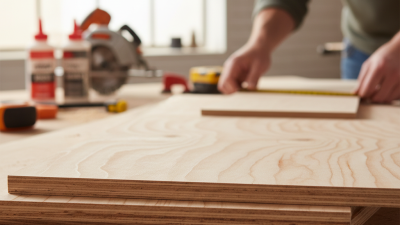
When working with Baltic Birch plywood, preparation is key. Ensure your workspace is clean and organized. This helps reduce the risk of mistakes. Measure twice before cutting; it can save wood and time. Consider using a fine-toothed saw blade for smooth edges. Baltic Birch has a beautiful finish, but rough cuts can ruin that.
Always sand the edges after cutting. A simple sanding can make a huge difference. It prevents splintering and gives a professional look. Use a dust mask when sanding; the dust can be harmful. For adhesives, test a small area first. Sometimes, what works on paper doesn't work in practice. Remember, patience is crucial. Rushing often leads to errors that are hard to fix.
Another tip is to use clamps wisely. Clamping provides stability while the glue dries. Don't underestimate the importance of this step. Bring your projects to life, but be prepared for challenges. Experimentation can lead to beautiful results, even if not everything goes as planned. Embrace imperfections as part of the creative process.
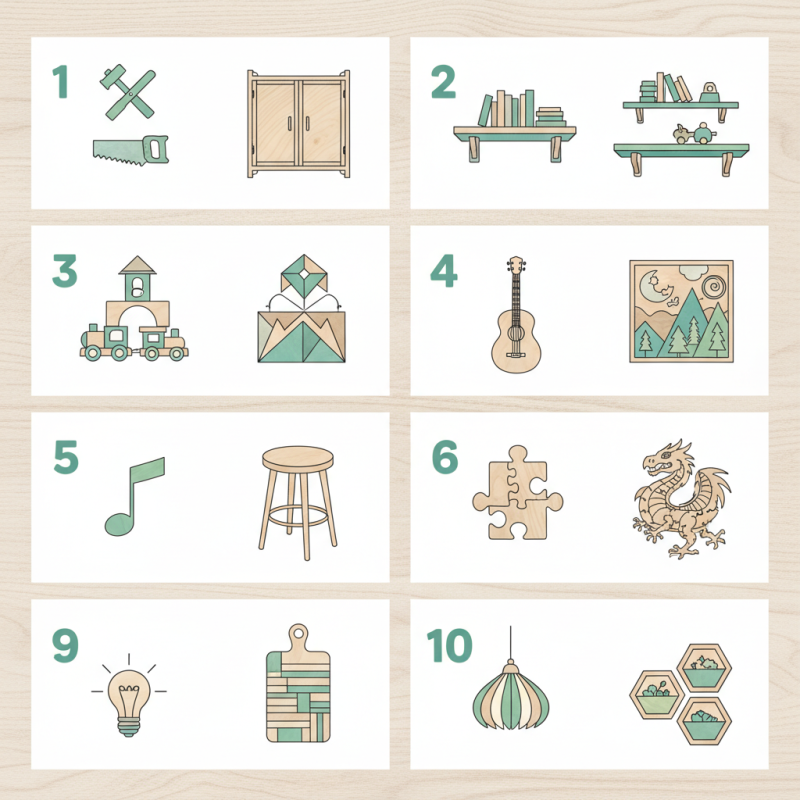
10 Best Uses for Baltic Birch Plywood in Your Projects
| Use Case |
Description |
Benefits |
| Furniture Making |
Ideal for creating durable and aesthetically pleasing furniture. |
Strong, lightweight, and easy to work with. |
| Cabinetry |
Used extensively for high-quality cabinets and shelving units. |
Provides excellent structural stability and finish quality. |
| Model Making |
Preferred material for architectural and design models. |
Fine grain and smooth surface suitable for detailed work. |
| Toys and Games |
Commonly used for custom toy designs and board games. |
Non-toxic and safe, with good durability. |
| Musical Instruments |
Utilized in crafting soundboards and body parts of instruments. |
Excellent acoustical properties and resonance. |
| Interior Decor |
Used in wall panels, art pieces, and home accessories. |
Versatile and can be finished in various styles. |
| Event Backdrops |
Ideal for creating lightweight and sturdy backdrops for events. |
Easy to paint and customize for different themes. |
| Lighting Fixtures |
Used in creating unique and modern lighting designs. |
Ability to diffuse light beautifully. |
| Storage Solutions |
Great for making custom boxes and organizers. |
Sturdy and attractive for home organization. |