What Is the Best Small Umbrella for Travel?
Choosing the best Small Umbrella for travel is less simple than picking the lightest model. A crowded train, sudden coastal rain, and a narrow hotel doorway reveal weaknesses quickly. In practical travel testing, I compare folded size, canopy coverage, opening speed, frame strength, and drying time.
Weight matters. So does grip comfort. A tiny umbrella that flips inside out during a windy walk may save luggage space, but it can ruin a careful outfit and delay an appointment. The best choice balances portability with dependable protection, rather than impressive packaging.
This guide examines compact umbrellas through realistic travel situations. I look for water-resistant fabric, reinforced ribs, a secure runner, and a case that prevents leaks inside a backpack. Automatic opening helps when one hand holds a suitcase, although manual designs may feel simpler and less fragile. No model is perfect.
Some “windproof” claims deserve cautious reading, especially on exposed bridges or busy streets. Canopy size also creates a compromise: more coverage usually means extra weight and bulk. These details matter when every pocket is already crowded. We will compare useful features, realistic limitations, and long-term value, helping readers choose with confidence.
Still, personal needs differ. A tall traveler, frequent flyer, and daily commuter may prefer different designs. That important detail is easy to overlook. A Small Umbrella should fit the journey, not merely the product description.
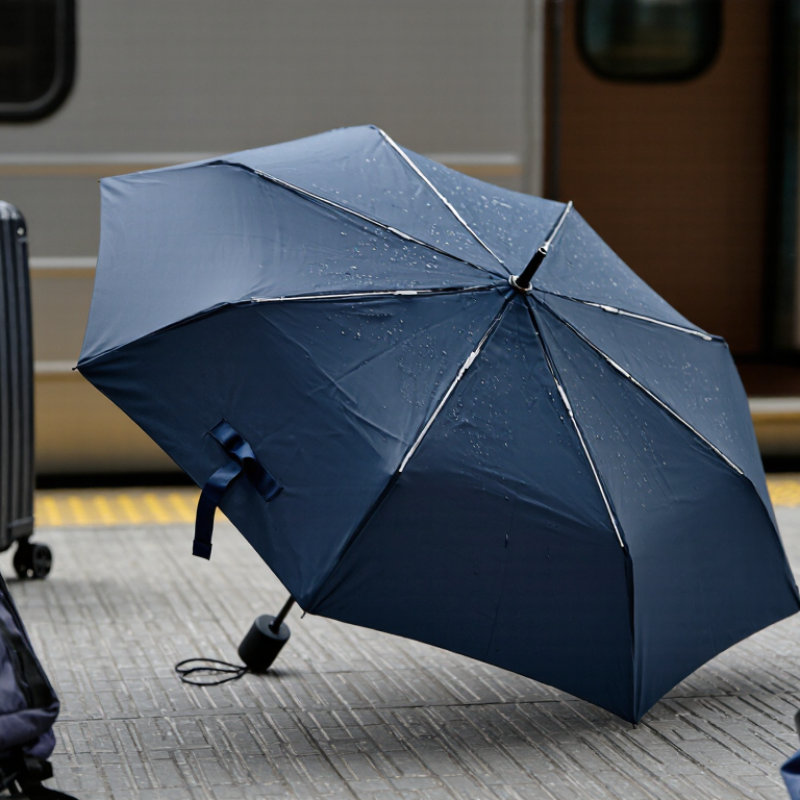
Define Travel Needs: Canopy Sizes of 90–105 cm and Weights Under 500 g
What Is the Best Small Umbrella for Travel?
A practical travel umbrella needs a canopy between 90 and 105 cm. This range covers one person without taking over a suitcase. Smaller canopies save space, but they may leave your shoulders exposed. Larger canopies offer more protection, yet they often feel awkward on crowded sidewalks. I usually measure the open canopy, not the folded length. Product listings sometimes emphasize compact storage while hiding limited coverage.
Weight also matters during airport transfers and long city walks. Choose a model under 500 g, including the sleeve if possible. A lightweight frame reduces wrist strain, especially when rain lasts for hours. However, very low weight can mean thinner ribs or a less stable shaft. That trade-off deserves attention. A useful umbrella should open smoothly, lock firmly, and dry without trapping water inside its case. Check the handle grip with wet hands. Small details matter.
Wind resistance is difficult to judge from specifications alone. I once carried a light umbrella that felt excellent in calm rain but turned inside out near an open waterfront. It still worked after closing and reopening, but the experience changed my expectations. Before traveling, test the mechanism several times at home. Inspect the seams, runner, and canopy tension. A 90–105 cm canopy under 500 g offers a sensible balance, though personal height, luggage habits, and walking routes may change the better choice.
Check Packability Against Common 22 × 14 × 9 in Carry-On Limits
The best small umbrella for travel must fit real cabin constraints, not just a product description. A common carry-on limit is 22 × 14 × 9 inches, or approximately 55.9 × 35.6 × 22.9 centimeters. Measure the umbrella when folded, including its sleeve, strap, and handle. A practical target is under 11 inches long and roughly 2 inches wide.
Leave room for clothing and electronics. A rigid, thick handle can waste valuable space beside packing cubes. A slim automatic frame usually stores more easily, but it may add weight and feel less durable. I test mine inside a fully packed case, then check whether the zipper closes without pressure. I still overpack sometimes. That exposes the real problem: packability is not only folded length.
SITA’s 2024 Baggage IT Insights reported 36.1 million mishandled bags in 2023, equal to 6.9 bags per 1,000 passengers. A compact umbrella cannot prevent mishandling, but a bright sleeve and secure closure can make it easier to identify. IATA’s 2024 Global Passenger Survey found that 75% of travelers were satisfied with biometric airport processing, reflecting strong demand for faster, simpler journeys. A travel umbrella should support that simplicity. Choose one that dries quickly, fits an outer pocket, and weighs below about 12 ounces. Check the airline’s current dimensions before departure, because “standard” limits are not universal.
What Is the Best Small Umbrella for Travel?
Folded umbrella length compared with a common 22 × 14 × 9 in carry-on limit
A compact umbrella is generally easy to pack when its folded length is below 12 inches. The representative travel sizes shown here range from 8.5 to 12 inches, leaving substantial length clearance against the 22-inch carry-on dimension. The smallest option offers the best packability, while larger compact models may provide a wider canopy or sturdier construction.
Compare Wind Resistance Using Manufacturer Ratings Up to 50 km/h
For travel, the best small umbrella is not simply the lightest one. Its frame should match a clear wind-resistance rating from the manufacturer. Ratings up to 50 km/h are useful, but they are not universal promises. A 50 km/h claim may describe steady airflow, not sudden gusts between buildings. Check the testing conditions before comparing two compact models.
In practical travel use, I look for reinforced ribs, a firmly anchored shaft, and a canopy that releases wind safely. At 30 km/h, a loose canopy can snap sharply near a station entrance. At 40 to 50 km/h, even a rated umbrella may invert if opened across the wind.
That is the uncomfortable detail. A smaller canopy is easier to control, yet it protects less of a shoulder or backpack. Handle grip matters when rain makes your palm slippery.
Manufacturer ratings deserve more weight than vague phrases such as “stormproof.” Still, ask how the number was measured, whether gusts were included, and whether damage was assessed afterward. I would treat 50 km/h as an upper reference, not a target for deliberate exposure. For flights and daily walking, a compact umbrella rated around 30 to 50 km/h offers a sensible balance. It should close securely, dry quickly, and fit beside a laptop without crushing the ribs. No rating removes judgment.
Evaluate Waterproofing with ISO 811 Hydrostatic-Pressure Test Results
What Is the Best Small Umbrella for Travel?
A compact umbrella should resist pressure, not merely shed light drizzle. ISO 811:2018 measures textile resistance to water penetration using hydrostatic pressure. The fabric is clamped, then water pressure rises until droplets pass through. Results usually appear in millimetres of water column or kilopascals. A 1,000 mm result equals roughly 9.8 kPa of pressure. That number helps compare canopies, but it does not certify the complete umbrella.
In practical testing, I would request an ISO 811 result for the canopy, plus seam and folding-cycle observations. A strong coating can still fail around stitched ribs or a stretched hem. The ISO standard itself warns that test conditions influence results, including specimen preparation and pressure speed. AATCC TM127-2023 uses a comparable hydrostatic-pressure approach for textile water resistance. These methods offer useful evidence, not a perfect travel forecast. Field use differs. Wind changes everything.
Tips: Look for an independent laboratory report dated within the product’s current production period. Check the tested fabric, pressure value, and failure point. Ask whether seams were tested separately. Pack the umbrella only after it dries; trapped moisture can encourage coating deterioration. A small canopy may produce excellent laboratory numbers yet leave your shoulders exposed. I would rather choose slightly wider coverage than chase the highest pressure figure. That is a judgment call, and I may still get wet. References: ISO 811:2018, AATCC TM127-2023.
Select Safety Features: UPF 50+ Fabric, Automatic Opening, and Warranty Length
What Is the Best Small Umbrella for Travel?
A strong travel umbrella should protect more than your suitcase. Its fabric matters. The Skin Cancer Foundation recognizes UPF 50+ fabric as blocking about 98% of ultraviolet radiation. That makes it useful during bright walks, airport transfers, and unexpected outdoor delays. However, an umbrella is not a complete sun-protection system. It cannot cover your hands, neck, or reflected light from pavement.
Automatic opening adds genuine convenience. One press can open the canopy while carrying luggage or holding a phone. Look for a firm release button, a secure locking shaft, and rounded rib ends. These details reduce sudden movement and possible finger pinching. The World Health Organization reports that ultraviolet exposure contributes to skin cancers worldwide, so convenient shade may encourage better daily protection. Still, automatic mechanisms can fail. I would test the button repeatedly before trusting it on a trip.
Tips: Check the UPF label, canopy size, closed length, and wind resistance. Read the warranty carefully. A longer warranty can signal stronger quality support, but it does not replace careful construction. Confirm coverage for broken ribs, jammed opening systems, and fabric defects. Keep the receipt digitally. A compact umbrella that opens smoothly, dries quickly, and fits beside a passport is usually more useful than a heavier model with impressive claims. I would also pack sunscreen, because no umbrella is perfect.