Best Finished Plywood Options for Your Next Project?
In the realm of woodworking, choosing the right materials is crucial. Finished plywood stands out due to its versatility and durability. Janelle Carter, a renowned expert in the plywood industry, emphasizes, "Quality finished plywood can transform a project, bringing both aesthetics and strength."
Many projects benefit from the unique properties of finished plywood. It can serve as a sturdy foundation for furniture or elegant paneling in homes. The smooth surface often enhances visual appeal. However, not all finished plywood is created equal. Some products may not measure up in quality or sustainability.
Selecting the right finished plywood requires careful consideration. Different grades and finishes can impact the final result. Understanding these factors can prevent costly mistakes. Reflecting on your choice of materials is vital, as each project deserves the best foundation.
Types of Finished Plywood: A Comprehensive Overview
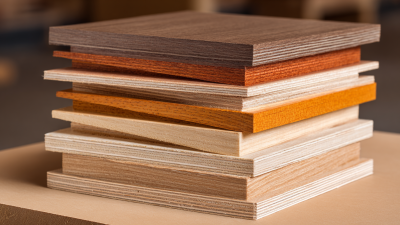
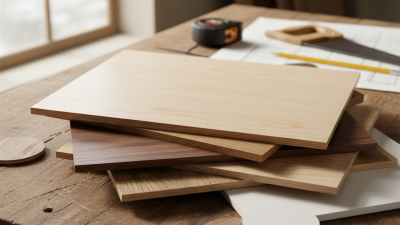
When selecting finished plywood, it’s crucial to understand its different types. Hardwood plywood is often favored for its durability and grain appearance. It is ideal for furniture and cabinetry, providing a refined look. Many designers prefer it because of its versatility and strength.
Softwood plywood, on the other hand, is commonly used in construction. It's lighter and more affordable than hardwood options. According to market reports, softwood plywood accounts for nearly 65% of plywood sales globally. This indicates its wide appeal, especially in structural applications.
There are also specialty plywood types, such as marine plywood. This is designed to withstand moisture, making it suitable for exterior use or humid environments. While it’s more expensive, the longevity can make it worth the investment. However, users must consider that not all plywood is created equal. Some products may have hidden defects or less than ideal finishes, leading to potential issues down the line. Buyers should weigh these factors carefully.
Key Factors to Consider When Choosing Plywood
When selecting plywood for your next project, consider the grade and thickness. Higher grades have fewer defects, which results in a cleaner look. Thickness impacts durability. A thicker panel provides better strength for heavier loads. Always check the intended use. Cabinets need different plywood than shelves or furniture.
Also, think about the finish. Some plywood comes pre-finished, saving time for those on a tight schedule. However, the finish may not suit everyone’s needs. You might want to stain or paint it yourself. Take some time to explore options and visual samples. This process often reveals imperfections. Don’t rush; mistakes can happen.
Sustainability is increasingly important. Look for plywood that has been sourced responsibly. While it might cost more, it’s worth it in the long run. Consider the environmental impact of your choices. Reflect on the long-term use of your project. The right plywood can elevate your work but requires careful thought and planning.
Comparison of Plywood Types Based on Key Factors
Top Brands for Quality Finished Plywood
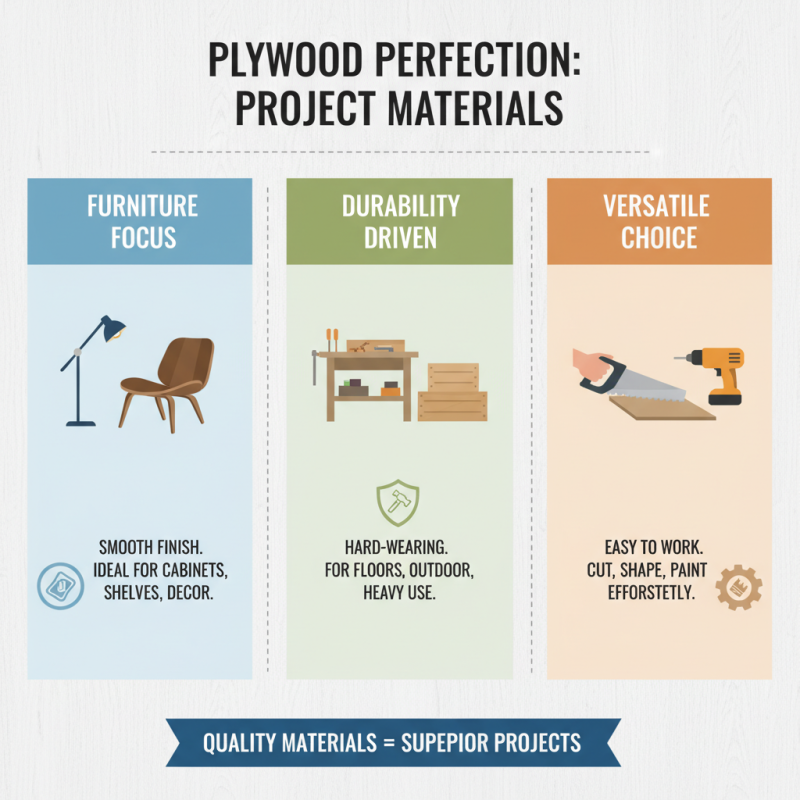
When it comes to selecting finished plywood for your projects, quality is key. A range of materials can make a significant difference in your final piece. Look for options that are versatile and easy to work with. There are several types of finished plywood available, each suited for different tasks. Some have a smooth surface, ideal for furniture. Others offer great durability, perfect for heavy-duty applications.
Consider the thickness options available in the market. Thicker sheets can withstand more weight, making them suitable for flooring or cabinetry. Pay attention to the finish, too. A well-applied veneer can enhance the natural beauty of wood. It’s essential to choose products with consistent quality. However, some brands may have variations in their manufacturing processes. Always check for reviews and recommendations before making a decision.
Reflecting on your needs can guide the selection process. Think about the purpose of your project. Will it be exposed to moisture or wear? Understanding these factors can help you choose the right plywood. Quality doesn’t always mean choosing the most expensive. Sometimes, mid-range options can surprise you with their performance. Balancing cost and quality will yield the best results.
Applications of Finished Plywood in Various Projects
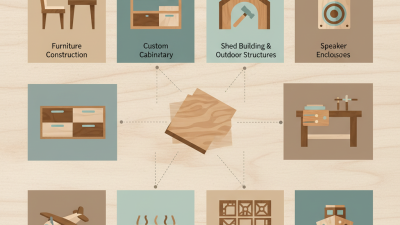
Finished plywood is a versatile material suitable for various applications. It offers durability and aesthetic appeal. Many designers and builders favor it for cabinetry, furniture, and interior wall paneling. According to industry data, plywood demand is projected to grow by 6% globally by 2025. This indicates a rising trend in its applications.
In residential construction, finished plywood is commonly used in kitchens and bathrooms. Its water-resistant properties make it ideal for cabinetry. Additionally, its smooth surface is easy to finish, enhancing the overall look of a space. However, not all finished plywood is equal. Some may not hold up against humidity or regular use, leading to potential wear and tear.
For commercial projects, finished plywood can add elegance to office interiors and retail spaces. It can be used to create striking feature walls or custom furniture. The choice of plywood thickness matters. Thinner sheets are lighter but might compromise strength. Balancing aesthetics with functionality is crucial, and each project can present unique challenges. Sustainable sourcing of plywood is also a growing concern. Many builders now seek responsibly harvested materials, although options can be limited. Choosing the right finished plywood requires careful consideration.
Maintenance and Care Tips for Finished Plywood
Maintaining finished plywood is essential for its longevity. Regular cleaning can prevent dust buildup. A damp cloth works well for light cleaning. For tougher stains, mild soap mixed with water can do wonders. Avoid harsh chemicals. They might damage the finish over time.
Inspect your plywood often for any signs of wear. Look for scratches or chips. Don't ignore small issues; they can become bigger problems. If you notice any damage, sanding and reapplying finish can help. However, it’s not always perfect. Sometimes, the color may not match perfectly after repair.
Humidity levels can also affect finished plywood. High humidity can cause warping, while dry air can lead to cracks. Consider a dehumidifier or humidifier as needed. Storing plywood in a climate-controlled area can prevent many issues. Ultimately, caring for finished plywood is about regular attention. It's a commitment, but worth the effort.