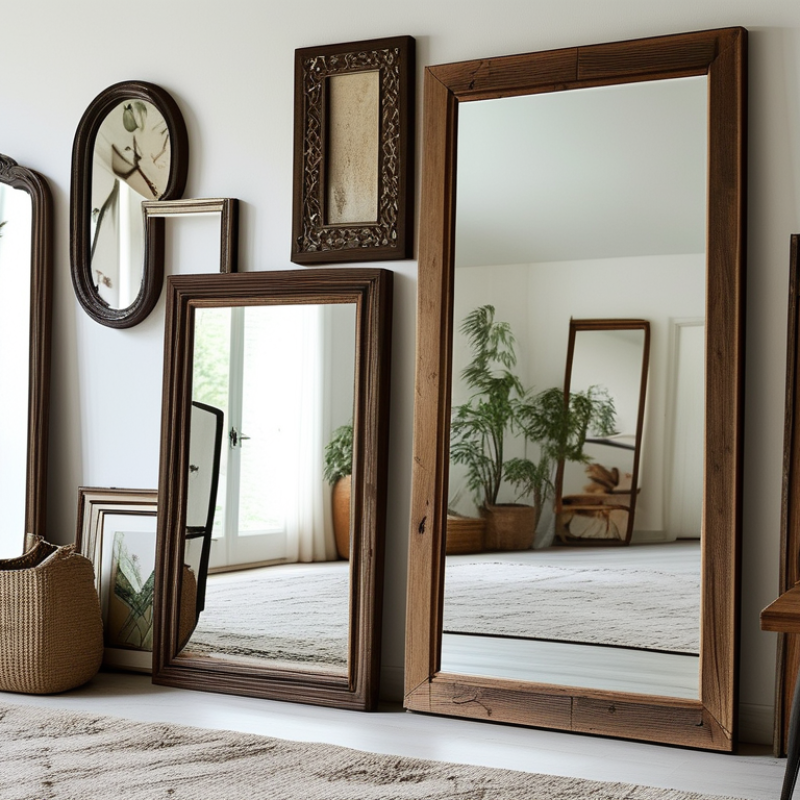
What Are the Best Mirror Frame Styles for Global Buyers?
In the world of home décor, Mirror frames play a vital role. They reflect not just our image but also our style. Renowned design expert Elena Martinez states, "A well-chosen mirror frame can elevate a space, turning a simple reflection into art."
From rustic wooden styles to sleek metallic designs, the variety is astounding. Global buyers often seek unique mirror frames that align with local tastes and trends. Many reflect cultural narratives and personal stories, serving as focal points in any room.
However, not every frame fits every space. Choosing a mirror frame requires a keen eye and careful thought. Considerations include room size, color palettes, and overall design themes. It is essential to avoid a one-size-fits-all approach. Buyers must understand their needs and the message they wish to convey through their mirror frames.
Exploring the Diversity of Mirror Frame Styles in Global Markets
Mirror frames come in various styles around the world, reflecting unique cultural tastes. In Europe, ornate designs are popular, with intricate carvings and vintage looks. These frames often blend with classic decor, adding elegance to any space. In contrast, Scandinavian styles favor minimalism. Simple lines and neutral colors dominate, creating a calm atmosphere.
In Asia, vibrant colors and bold patterns stand out. Traditional motifs are often highlighted, showcasing craftsmanship. Mirrors with wooden frames that feature traditional carvings are quite common in many Asian cultures. Each frame tells a story, echoing the history of its region.
Buyers sometimes grapple with choosing the right style. The challenge lies in selecting a frame that complements their space. Understanding personal tastes and current trends is essential. Not every style will suit every setting, leading to reflections on what truly resonates with individual aesthetics.
Traditional vs. Contemporary: Understanding Style Preferences Worldwide
When it comes to mirror frame styles, preferences vary widely across the globe. Traditional designs often feature intricate carvings and rich finishes. These frames are commonly found in classic European homes, where elegance is key. In contrast, contemporary frames tend to focus on minimalism and simplicity. Clean lines and sleek materials characterize modern spaces in urban settings.
To resonate with diverse buyers, it’s vital to consider cultural influences. For example, some cultures celebrate bold colors. Others may prefer neutral tones that blend seamlessly with their interiors. Research local preferences before making a choice. Understanding these nuances can enhance market reach.
When selecting a mirror frame, think about the room’s ambiance. A baroque frame can add drama to a cozy living room. Alternatively, a simple, metallic frame might complement a bright, airy space. Balancing style with function is essential. Ensure the mirror is not just decorative but also practical for everyday use. Pay attention to sizes; a large mirror can open up small spaces, while smaller mirrors may accentuate specific areas. Reflect on the overall decor and personal style to achieve a harmonious look.
What Are the Best Mirror Frame Styles for Global Buyers? - Traditional vs. Contemporary: Understanding Style Preferences Worldwide
| Region | Traditional Style Preference (%) | Contemporary Style Preference (%) | Popular Materials |
| North America | 40% | 60% | Wood, Metal |
| Europe | 55% | 45% | Glass, Wood |
| Asia | 30% | 70% | Bamboo, Metal |
| South America | 50% | 50% | Wood, Plastic |
| Africa | 65% | 35% | Wood, Stone |
Materials Matter: Common Choices for Mirror Frames Across Cultures
When considering mirror frame styles, the materials used are significant. Different cultures favor various materials, each bringing unique aesthetics and functionality. Wood, metal, and glass dominate the market, accounting for a substantial portion of consumer choices. According to industry reports, over 45% of buyers prefer wooden frames due to their warm, timeless appeal. In contrast, 30% lean towards metal frames that provide a modern, sleek look.
In regions like Asia, bamboo and rattan frames are popular. These materials often symbolize harmony with nature. They also reflect a sustainable approach to design. Interestingly, a recent survey indicated that 25% of global buyers value eco-friendly materials, suggesting a shift in consumer preferences towards sustainability.
To enhance your decor with mirrors, consider the room's style. A rustic wooden frame complements traditional spaces. For modern interiors, choose minimalistic designs with metal finishes. Pay attention to the scale and proportion of the mirror in relation to your space. A small mirror can get lost in a large room, whereas an oversized piece can dominate a tiny area. Balancing these elements creates visual harmony.
Decorative Elements: How Art and Design Influence Frame Styles
When choosing a mirror frame, decorative elements can significantly influence its style. Art and design principles are crucial in reflecting personal taste and enhancing a room's atmosphere. A well-selected frame can transform an ordinary mirror into an artistic statement. For instance, intricate carvings or bold colors can create a stunning contrast against a minimalist space.
Textures play a significant role as well. A wooden frame can evoke warmth, while metallic finishes can add a sleek, modern touch. These choices can dramatically affect the feel of your space. Consider how the frame interacts with existing decor. Does it harmonize or create a compelling contrast? The mirror's purpose also matters. For functional mirrors, such as those in bathrooms, consider durability alongside aesthetics.
Explore frame styles that resonate with your environment. Reflect on how different shapes can change perception. For example, round mirrors often soften harsh lines in a room, while rectangular ones can create structure. Keep in mind that not every frame will suit every space. Test various styles before making a decision. Pay attention to the small details, as they often hold the key to the perfect choice.
Functional Considerations: Choosing the Right Mirror Frame for Your Space
Selecting the right mirror frame is essential for both style and functionality. Consider the purpose of the mirror in your space. Is it meant to expand a small room visually, or serve as a statement piece? You will need to strike the perfect balance between aesthetics and practicality.
The material and style of the frame can significantly impact the overall ambiance. Wooden frames add warmth, while metal frames can provide a sleek, modern touch. Reflect on the existing decor. A mismatched frame can easily disrupt the harmony of a room. Don’t be afraid to explore options that seem unconventional. Sometimes, a bold choice can surprise you.
Additionally, think about the size and shape of the mirror. Oversized mirrors work wonders in small spaces, while unique shapes can enhance interest in larger rooms. Careful placement is crucial, too. Ensure the mirror reflects the best features of your space. Be mindful of lighting; natural light can dramatically change how a mirror appears.
Best Mirror Frame Styles for Global Buyers
This bar chart displays the popularity of different mirror frame styles among global buyers. The styles include Modern, Classic, Rustic, Industrial, and Vintage, with a popularity score reflecting their appeal in the market.