
Blog

10 Best Hiking Raincoats for Every Weather Condition?

Rain can transform a pleasant trail into a cold, slippery test of preparation. A reliable Hiking Raincoat helps keep your base layers dry while allowing you to move comfortably through changing conditions. Yet no single jacket performs perfectly in every storm. Breathability, waterproof ratings, hood design, fabric durability, and packability all influence real trail performance.

This guide examines ten hiking raincoats for different weather conditions, from light drizzle and humid summer showers to steady mountain rain and gusty coastal storms. Each option is considered through practical details: how the hood fits over a helmet or cap, whether sleeves restrict movement, and how quickly the fabric feels damp inside. Small features matter. A storm flap can protect a zipper. A useful pocket can save wet map-reading. A secure cuff can block wind-driven rain.

Field experience also teaches caution. A jacket may resist heavy rain during a short walk but struggle after hours of exposure. Breathable fabric can still feel clammy during a steep climb. Marketing terms are not a substitute for testing. Weather changes quickly, especially above treeline. That is why this selection balances published specifications with realistic hiking needs, comfort, and long-term reliability. Some compromises remain unavoidable. The best choice depends on your route, pace, climate, and tolerance for carrying extra weight. Expect practical comparisons, not perfect promises.
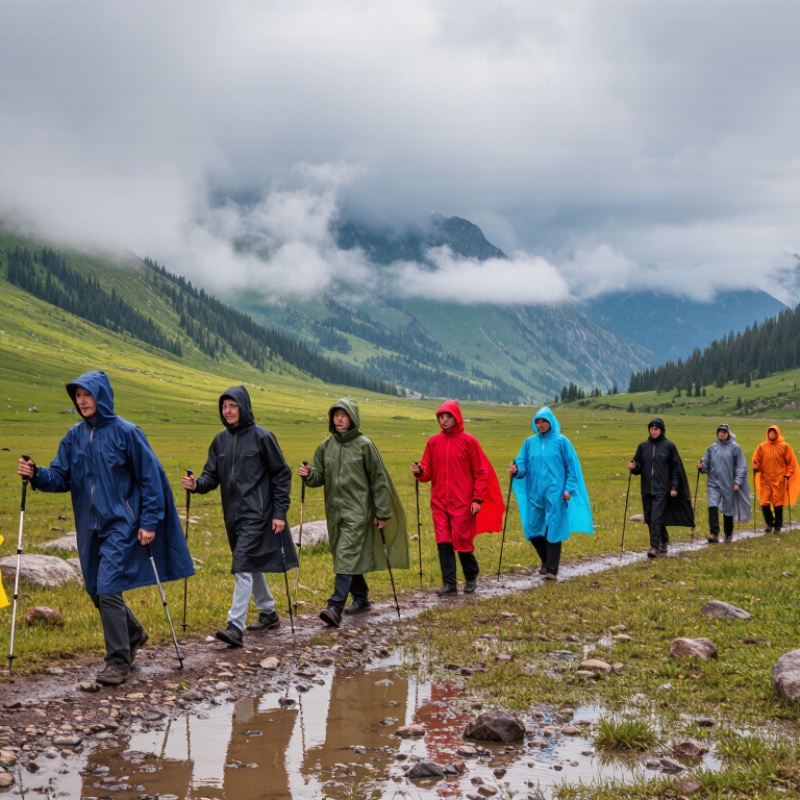
10 Best Hiking Raincoats for Every Weather Condition?

What Makes a Hiking Raincoat Effective in Different Weather Conditions

An effective hiking raincoat must respond to changing weather, not only heavy rain. During field hikes, I look for waterproof fabric, sealed seams, and a hood that turns with my head. A 10,000 mm hydrostatic rating is a useful practical benchmark for steady rain, while higher ratings suit prolonged storms. ISO 811:2018 describes hydrostatic-pressure testing for fabric resistance. Breathability matters during steep climbs. The National Weather Service warns that wet clothing can remove body heat about 25 times faster than dry air. That difference becomes serious on windy ridges.

Cold rain requires more than a waterproof shell. A longer cut protects the lower back, and adjustable cuffs stop water entering gloves. Underarm vents help when temperatures rise, although I sometimes forget to open them early enough. In warm, humid weather, breathability and ventilation may matter more than maximum waterproofing. In strong wind, a firm hood brim and a secure hem prevent flapping and exposed skin. Light showers need less protection, but a compact jacket should still have durable zippers and fully taped seams.

Tips: Check the forecast, wind speed, and temperature before choosing a shell. Wear the jacket while carrying your loaded pack. This reveals pressure points quickly. Pack a dry base layer in a sealed bag. According to NOAA guidance, staying dry is central to preventing cold stress. I would also inspect the fabric after several washes, because water-repellent finishes can weaken. A raincoat may pass a laboratory test yet feel clammy, noisy, or restrictive outdoors. That gap deserves honest attention.

How to Assess Waterproofing, Breathability, Fit, and Durability

Choosing among the 10 best hiking raincoats starts with weather, not advertising. A waterproof shell should keep rain outside during steady exposure. Look for fully taped seams, a storm flap, and an adjustable hood. A stated waterproof rating offers useful evidence, but testing methods differ. Treat the number as a guide, not a promise. In the field, I check the inside after thirty minutes under heavy rain. Damp shoulders may mean condensation, not leakage. That distinction matters. Breathability depends on fabric, temperature, pace, and your base layers. Pit zips or generous vents can release heat during steep climbs. They also admit rain when opened carelessly. I have made that mistake.

Fit affects both comfort and protection. Raise your arms, bend your elbows, and wear the layers used on real hikes. The hem should cover your hips without restricting your stride. Sleeves need enough length to protect your wrists, even when reaching for trekking poles. A hood should turn with your head, not block your vision. Durability comes from fabric weight, seam construction, zipper quality, and abrasion resistance. Rub points deserve attention, especially the shoulders and waist under a loaded backpack. A lightweight coat may pack beautifully but need gentler treatment. A heavier shell can survive rough trails, though it may feel warm during climbs. I sometimes choose the lighter option and regret it near exposed branches. Inspect the fabric, cuffs, and seams after every wet trip. Small damage becomes expensive quickly.

The Ten Best Hiking Raincoats for Light Rain and Warm Conditions

For light rain and warm hikes, the best raincoat should feel almost invisible.
The 2024 Outdoor Participation Trends Report identified hiking as one of the largest outdoor activities in the United States. That growth makes practical rainwear more important, especially for new hikers.

A lightweight shell, weighing roughly 200 to 350 grams, usually suits warm conditions better than an insulated jacket. Look for a waterproof rating near 10,000 mm. The ISO 811 standard uses hydrostatic pressure to evaluate fabric resistance, but laboratory numbers do not fully predict trail comfort.

Ventilation matters more than extreme protection on humid paths. Choose a coat with underarm zippers, mesh-backed pockets, or a two-way front zipper. A 2.5-layer construction can reduce bulk, though it may feel clammy during fast climbs. Water-repellent treatment helps droplets bead on the surface, but it gradually weakens through washing and friction.

Ten promising hiking raincoats should be judged by breathability, hood adjustment, seam sealing, and packability—not by waterproof ratings alone. I once trusted a high rating too much. The jacket still felt wet inside.

Tips: Wear a thin moisture-wicking shirt underneath. Avoid cotton. Open ventilation zippers before sweating heavily. Store the coat loosely, not compressed for weeks. The 2023 European Outdoor Group State of Trade report highlighted growing demand for versatile outdoor equipment, yet versatility can create compromises. A warm-weather shell may protect well in drizzle but fail during prolonged storms. Check the forecast, trail exposure, and your pace before choosing.

The Ten Best Hiking Raincoats for Heavy Rain, Wind, and Cold

For heavy rain, wind, and cold, the ten best hiking raincoats serve different needs. I would consider a three-layer shell, lightweight emergency shell, poncho-style coat, insulated waterproof jacket, stretch hardshell, long storm parka, packable shell, pit-zip shell, storm-flap coat, and expedition shell. Each should have sealed seams, adjustable cuffs, and a hood that turns with your head. Small details matter.

The CDC warns that hypothermia can develop above 40°F when rain, sweat, or cold water chills the body. The National Weather Service also explains that moving air increases heat loss, even when temperatures seem manageable. For this reason, a good cold-weather coat needs more than a waterproof rating. Look for wind-resistant fabric, room for a mid-layer, and a hem that covers the hips. European standard EN 343 offers useful testing categories for rain protection, but field performance still depends on fit and ventilation.

I once chose a very light shell for a wet ridge walk. It packed beautifully, but strong wind pushed rain through the zipper area. That mistake changed my priorities. A durable shell with a two-way adjustment may outperform a lighter option in exposed terrain. The Outdoor Industry Association reported 175.8 million outdoor participants in 2023, showing how varied trail conditions and user needs have become. No coat handles every forecast perfectly. Check the seams before departure.

10 Best Hiking Raincoats for Every Weather Condition? – The Ten Best Hiking Raincoats for Heavy Rain, Wind, and Cold

Comparison based on practical hiking requirements, including waterproof protection, wind resistance, breathability, packability, and cold-weather suitability.
Rank Raincoat Type Best Weather Condition Waterproof Rating Breathability Approx. Weight Wind Protection Comfort Range Key Features
1 Three-Layer Alpine Shell Heavy rain, strong wind, and exposed alpine trails 25,000 mm High 380 g Excellent -5–15°C Fully taped seams, adjustable hood, pit zips, storm flap, and a durable three-layer construction.
2 Four-Season Insulated Shell Cold rain, wet snow, and winter day hikes 20,000 mm Medium–High 620 g Excellent -10–8°C Light synthetic insulation, helmet-compatible hood, adjustable cuffs, and a powder-style waist seal.
3 Ultralight Packable Shell Unpredictable showers and lightweight backpacking 15,000 mm Medium 210 g Good 8–20°C Packs into its own pocket, has a low-profile hood, elastic cuffs, and a lightweight two-and-a-half-layer fabric.
4 High-Breathability Trekking Shell Warm, humid rain and strenuous uphill hiking 20,000 mm Very High 340 g Very Good 10–24°C Large underarm vents, moisture-managing lining, articulated sleeves, and a two-way front zipper.
5 Windproof Long-Cut Rain Jacket Coastal wind, driving rain, and open ridgelines 15,000 mm Medium–High 470 g Excellent 5–17°C Extended rear hem, adjustable waist, high collar, sealed zippers, and a three-point hood adjustment.
6 Durable Backpacking Shell Multi-day trips with heavy packs and rough vegetation 20,000 mm Medium 510 g Excellent 3–16°C Abrasion-resistant face fabric, reinforced shoulders, generous pocket placement, and fully taped seams.
7 Stretch Rain Shell Technical trails requiring unrestricted movement 15,000 mm High 360 g Very Good 7–20°C Four-way stretch fabric, articulated elbows, adjustable hem, pack-compatible pockets, and a flexible hood brim.
8 Budget Two-and-a-Half-Layer Jacket Occasional rain and weekend day hikes 10,000 mm Medium 300 g Good 10–22°C Sealed critical seams, adjustable hood and cuffs, water-resistant front zipper, and compact storage.
9 Cold-Weather Hard Shell Freezing rain, sleet, and stop-start winter activity 25,000 mm Medium–High 550 g Excellent -8–10°C Roomy layering fit, high storm collar, insulated hand pockets, adjustable hood, and robust seam construction.
10 Minimalist Emergency Raincoat Short showers, emergency use, and fast-and-light trips 10,000 mm Low–Medium 170 g Good 12–24°C Very small packed size, simple adjustable hood, elastic cuffs, and a water-resistant lightweight shell.
Buying note: Waterproof ratings describe resistance to water pressure, while breathability depends on fabric, ventilation openings, activity level, and layering. For sustained heavy rain, choose a jacket with fully taped seams and a hood that adjusts securely around the face.

How to Choose the Right Hiking Raincoat for Your Trail Needs

Choosing among the 10 best hiking raincoats starts with your trail, not the product ranking. A summer forest path needs different protection than a windy alpine ridge. Check the fabric’s waterproof rating, seam sealing, hood design, and ventilation. ISO 811 measures water resistance through hydrostatic pressure. Around 10,000 mm offers practical protection for regular hiking, while heavier storms may require more. Breathability also matters. Under ISO 11092, a lower RET value indicates better moisture transfer. Still, laboratory figures are not perfect. A jacket may perform differently after washing or abrasion.

Match the coat to your movement and weather exposure. For warm, humid trails, choose pit zips, mesh vents, and a lighter shell. For cold rain, allow room for a fleece layer and check cuff adjustment. The National Weather Service warns that wet clothing accelerates heat loss, even when temperatures seem moderate. I once underestimated wind on an exposed ridge; my “waterproof” shell felt clammy within minutes. That mistake changed how I judge comfort. Packability matters too, but an ultralight coat may sacrifice durability.

Tips: Read the care label. Reproof worn fabric. Test the hood before buying. Keep the shell accessible, not buried beneath snacks. Look for a two-way zipper when carrying a backpack. If your trail has frequent bush contact, choose stronger face fabric over minimal weight. Review independent test data, but question unusually perfect claims. Your weather is rarely perfect.