Top 10 Best Furniture Plywood Options for Every Home Design
When it comes to designing a home, the choice of materials can significantly influence both aesthetics and functionality. One such versatile material that has gained popularity in modern interior design is furniture plywood. Known for its strength, durability, and ease of manipulation, furniture plywood serves as an ideal foundation for a wide variety of interior furnishings, from elegant cabinetry to chic tables. In this guide, we will explore the top 10 best furniture plywood options that cater to diverse home designs and personal styles, ensuring that you can find the perfect match for your unique space.
Furniture plywood not only affects the structural integrity of your pieces but also plays a vital role in enhancing the overall look of your home. With numerous types available, distinguishing between them can be challenging. However, understanding their characteristics will empower you to make informed decisions when selecting plywood for your projects. Whether you are aiming for a minimalistic vibe, a rustic charm, or contemporary flair, the right furniture plywood can elevate your design vision while providing practical benefits. Join us as we navigate through the best options available, and discover how you can integrate furniture plywood into your home for style and sustainability.
Understanding Plywood: What Makes It Ideal for Furniture Design
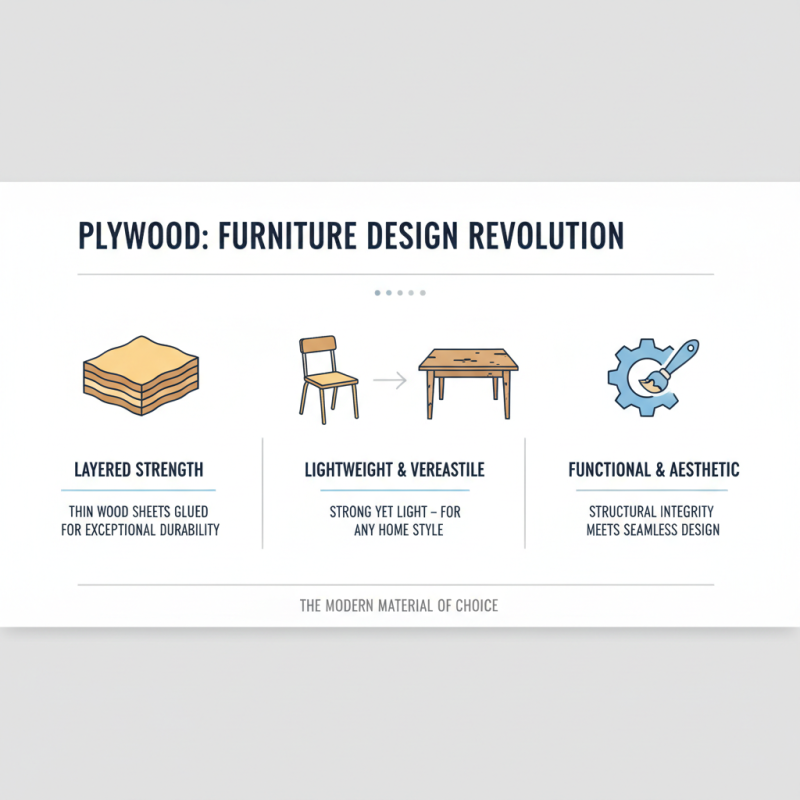
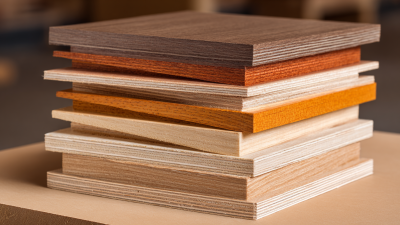
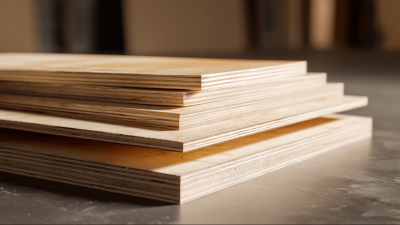
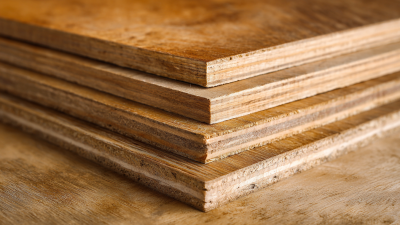
Plywood has become a preferred material in furniture design due to its unique properties that blend functionality and aesthetics. Its layered structure, which consists of thin sheets of wood veneer glued together, provides exceptional strength while keeping the furniture lightweight. This makes plywood an ideal choice for both structural integrity and versatility, allowing designers to craft pieces that fit seamlessly into any home design, from modern minimalism to rustic charm.
**Tips:** When selecting plywood for furniture, consider the thickness and type of wood used in the layers. A thicker plywood not only offers greater durability but can also influence the finished look of your piece. Additionally, selecting high-quality veneer can enhance the aesthetic appeal, giving your furniture a polished, professional finish without compromising on strength.
Moreover, plywood is also known for its ease of customization. It can be easily cut, shaped, and stained, making it an excellent choice for DIY furniture projects. By incorporating unique designs or personal touches, you can create pieces that truly reflect your style.
**Tips:** Always finish your plywood with appropriate sealants or stains to protect it from moisture and wear. This will increase the longevity of your furniture and maintain its appearance over time. Whether you’re building a bookshelf, a dining table, or decorative shelving, thoughtful preparation and finishing will ensure your plywood furniture is both beautiful and durable.
Key Characteristics of High-Quality Furniture Plywood
High-quality furniture plywood is an essential component for any home design, offering durability and aesthetic appeal. When selecting plywood, key characteristics to consider include thickness, veneer quality, and the type of adhesive used. According to a report by the Wood Products Council, plywood with a thickness of at least 3/4 inch ensures structural integrity for heavier furniture pieces, making it a preferred choice for cabinets and tables. Additionally, the surface veneer should be made from hardwood species, as these not only provide a beautiful finish but are also more resistant to wear and tear.
It's also crucial to pay attention to the adhesive used in the plywood. Urea-formaldehyde adhesives are commonly used, but for healthier indoor air quality, opting for plywood that uses low-emission alternatives like phenol-formaldehyde is recommended. BuildingGreen reports that low-emission plywood can reduce volatile organic compound (VOC) levels in the home, contributing to a safer living environment.
Tips: Always look for certifications like the Forest Stewardship Council (FSC) label, which ensures the wood used is sourced sustainably. Additionally, when selecting plywood for projects, consider the environmental impact and opt for products that contribute to energy efficiency and resource conservation in your home.
Top 10 Plywood Types for Various Home Styles
When selecting plywood for home design, understanding the various types available can transform a space while maintaining functionality. Plywood is often categorized into several types based on its composition and intended use, making it essential to choose the right kind for your specific home style. For instance, hardwood plywood is favored for its durability and aesthetics, making it an excellent choice for traditional homes that emphasize intricate woodwork and finishes. According to industry reports, over 40% of homeowners who renovate their living spaces prioritize high-quality materials to enhance both beauty and longevity.
On the other hand, softwood plywood, which typically features a more rustic appearance, pairs well with modern and farmhouse designs. Its cost-effectiveness and ease of handling make it a preferred option for DIY enthusiasts looking to create custom furniture or cabinetry. Recent studies indicate that the demand for softwood plywood has surged by 25% in the past year, reflecting a growing trend towards sustainable, eco-friendly materials that complement contemporary interiors. Ultimately, choosing the right plywood type not only dictates the overall aesthetic of the home but also influences factors like maintenance and longevity, ensuring that every design choice aligns with personal style and practical needs.
Comparing Cost and Value: Selecting the Right Plywood
When selecting the right plywood for furniture, understanding the balance between cost and value is essential. Plywood comes in various grades, types, and finishes, each offering different durability levels and aesthetics that cater to distinct design preferences. Higher-grade plywood, though more expensive, often provides superior strength and a smoother finish, making it ideal for visible furniture surfaces.
In contrast, lower grades can serve well for hidden structures or less frequently used items where cost savings are a priority.
Additionally, it's crucial to consider the intended use of the plywood in your home design. For instance, cabinetry and shelving might benefit from thicker, sturdier plywood to bear weight effectively, while decorative pieces could utilize lighter variations. Investing in quality plywood can ensure longevity and enhance the overall look of your furniture, ultimately providing better value over time.
Conversely, opting for cheaper options might compromise the integrity and visual appeal of the finished product, leading to increased costs in repairs or replacements down the line. Thus, a thoughtful approach to selecting plywood can significantly affect both the aesthetics and functionality of home furnishings.
Maintenance Tips for Extending the Life of Furniture Plywood
When it comes to maintaining furniture plywood, proper care can significantly extend its lifespan and keep it looking fresh. Regular cleaning is crucial; using a soft, damp cloth to wipe away dust and spills helps prevent damage. According to a report by the Furniture and Fixtures Manufacturing industry, well-maintained plywood can last up to 20 years longer than poorly maintained options. This highlights the importance of incorporating maintenance habits into your routine.
In addition to cleaning, applying a protective finish can shield plywood from moisture and stains. A layer of wood sealant or varnish can help preserve the integrity of the material, reducing the risk of warping or swelling. Research from the National Wood Flooring Association suggests that treated wood surfaces can resist wear and tear by up to 60%, making this an essential step for homeowners looking to enhance the durability of their plywood furniture.
Finally, consider the placement of your plywood furniture. Keeping it away from direct sunlight and environmental stressors like heat sources can prevent fading and cracking. Utilizing coasters and mats can also help minimize scratches and heat damage. By following these tips, homeowners can ensure their furniture plywood remains beautiful and functional for years to come.
Top 10 Best Furniture Plywood Options for Every Home Design
This chart represents the overall durability ratings of various types of plywood commonly used in furniture designs. The ratings are based on factors such as strength, resistance to wear, and longevity, providing a quick reference for selecting the best plywood for your home decor needs.