2026 Best Cabinet Plywood Options for Your Home Improvement Projects?
When it comes to home improvement, choosing the right materials is crucial. Cabinet plywood can significantly impact the aesthetics and functionality of your space. This versatile material is often favored for its durability and visual appeal. However, not all cabinet plywood options are created equal.
Homeowners face the challenge of selecting the best types of cabinet plywood from various sources. Factors such as thickness, finish, and moisture resistance play a vital role. Some varieties can warp or delaminate over time, which is a concern worth reflecting on. While many options might look appealing on the surface, their longevity may not match your expectations.
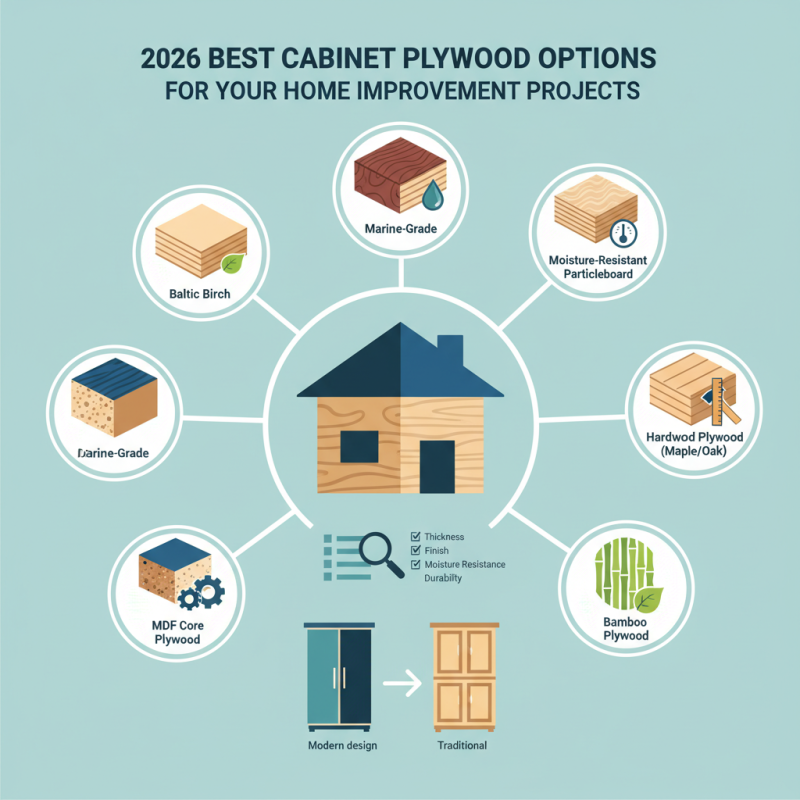
In exploring the top cabinet plywood choices for 2026, it's essential to consider your specific needs. Do you want something that pairs well with modern designs? Or perhaps a traditional look? By combining aesthetic appeal with practicality, you can find the ideal cabinet plywood for your project. Keep these aspects in mind as you navigate the available selections.
Understanding Cabinet Plywood: Definition and Types
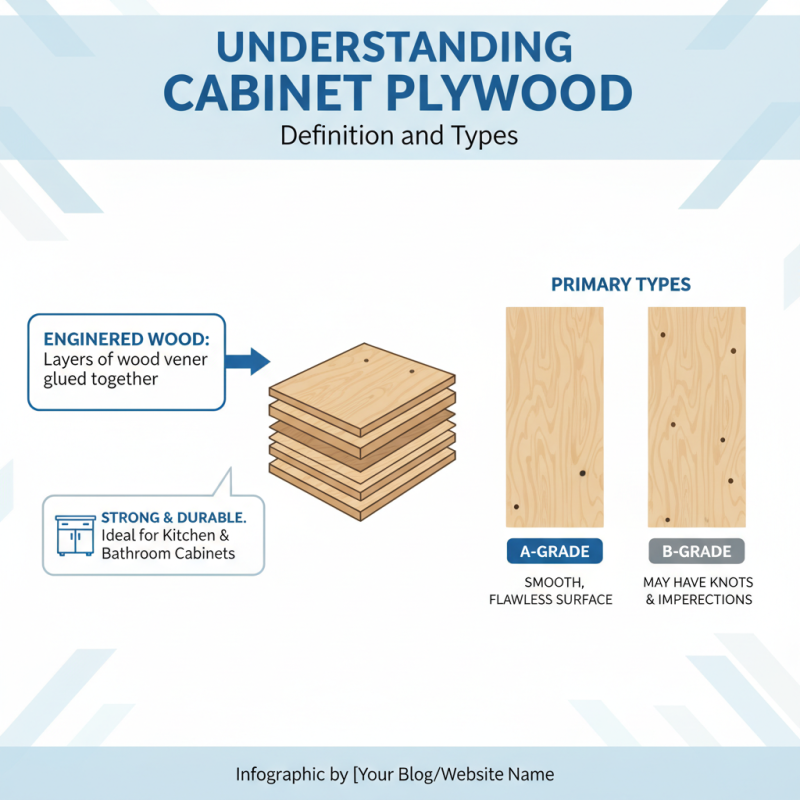
When it comes to cabinet plywood, knowing the basics is essential. Cabinet plywood is engineered wood, made by gluing multiple sheets of veneer together. This process creates a strong, durable material ideal for kitchen and bathroom cabinets. There are two primary types: A-grade and B-grade. A-grade has a smooth surface, while B-grade may exhibit some knots and imperfections.
When selecting plywood, consider your project needs. A-grade is great for visible areas, while B-grade can work well for hidden parts. Always check the plywood for warping or damage. The thickness of the plywood also matters. Typical thicknesses range from 1/4 to 3/4 inch. Choose the right thickness for the best outcome.
Tips: For better durability, use plywood with a moisture-resistant core. This is particularly useful in humid spaces like kitchens. Pay attention to your wood source to avoid issues later on. Choose sustainably sourced plywood to support environmental practices. It may seem like a minor detail, but it makes a difference.
Key Features to Look for in Quality Cabinet Plywood
When choosing cabinet plywood for your home projects, focus on durability. Quality plywood should resist warping and moisture. Check for multiple layers in the core. More layers generally mean better stability. Measure thickness, as it affects strength. Opt for a minimum of ¾ inch for cabinet bases.
Another critical feature is the finish. A smooth surface allows for easy painting and staining. Look for veneers that are less prone to splintering. The grain pattern also plays a role in aesthetics. Natural variations can create unique effects in your cabinets. However, some finishes may not always meet expectations.
Consider the environmental impact, too. Sustainable plywood options are becoming more available. You might find that they cost a bit more upfront. But long-lasting materials can save money over time. Be aware of your choices. Sometimes, cheaper options lead to disappointment down the line. You might find yourself replacing cabinets sooner than expected.
Comparing Different Plywood Grades for Home Improvement
When it comes to plywood for home improvement, different grades matter significantly. Each grade has distinct qualities that affect strength, appearance, and cost. Higher grades generally have fewer knots and imperfections. These can make a project look polished and professional. However, they come with a higher price tag.
Lower grades may be cheaper, but they often show more flaws. This could be rough edges or visible knots. These imperfections can affect the final look of your project. If you're painting or covering the surface, this might not be a big deal. However, for natural finishes, you might need to rethink your choice.
Consider your project's requirements carefully. Not every job needs top-grade plywood. If you’re building cabinets or furniture that will be hidden, a lower grade can work perfectly. Think about what you truly need versus what looks good on paper. Each choice has its pros and cons that require thoughtful reflection.
Sustainable and Eco-Friendly Plywood Options for Cabinets
When considering cabinet plywood, sustainability should be a priority. Eco-friendly options are not just a trend; they are a necessity. Plywood made from reclaimed wood helps reduce waste. It often has unique textures and colors that add character to your home.
Bamboo plywood is another excellent choice. It grows rapidly, making it a renewable resource. This material is strong and lightweight, perfect for cabinets. Yet, not all bamboo products are created equal. It's important to research certifications. Look for options with low VOC emissions to ensure a healthier living space.
While many believe that eco-friendly plywood is more expensive, this isn't always true. Sometimes, the upfront cost is higher, but the long-term savings are significant. Durability can lead to fewer replacements and repairs over time. It’s a hard balance to strike—finding quality while sticking to environmental values. Reflecting on these choices can enhance both functionality and sustainability in home improvement projects.
2026 Best Cabinet Plywood Options for Your Home Improvement Projects
| Plywood Type |
Sustainability Rating |
Applications |
Cost per Sheet |
Durability |
| Bamboo Plywood |
A+ |
Cabinets, Furniture |
$45 |
High |
| Reclaimed Wood Plywood |
A |
Cabinets, Shelving |
$65 |
Medium |
| FSC Certified Plywood |
A |
Cabinets, Flooring |
$50 |
High |
| Poplar Plywood |
B+ |
Cabinets, Educational Furniture |
$40 |
Medium |
| Birch Plywood |
B+ |
Cabinets, Desktops |
$55 |
High |
Tips for Selecting the Best Cabinet Plywood for Your Projects
Choosing the right plywood for cabinet projects can be challenging. A report from the Wood Products Council states that quality plywood significantly impacts durability and aesthetics. Look for plywood with a minimum thickness of 3/4 inch for added strength. Thicker panels resist warping and withstand wear from daily use.
Consider the type of wood veneer used in the plywood. Options like oak or birch can provide a beautiful, natural finish. However, these can be more expensive. If budgeting is tight, think about maple. It offers good durability and a smooth surface, often at a lower cost. Remember, choosing lower-grade plywood can lead to issues down the line, like peeling veneers or uneven surfaces.
Take your time when selecting plywood for cabinets. Review your project's specific needs. A study by the American Wood Council highlights that proper selection can extend the lifespan of your cabinetry by several years. Don't rush the decision. Collect samples, test them in your space, and think critically about your choices. This reflection can elevate your project’s quality significantly.
2026 Best Cabinet Plywood Options
This chart illustrates the popularity of different plywood types suitable for cabinet making based on their durability, cost, and finish quality.