What are the Benefits of Konjac Healthy Noodles?
In recent years, Konjac Healthy Noodles have become increasingly popular among health-conscious consumers. These noodles are made from the konjac yam, which is rich in glucomannan, a water-soluble dietary fiber. A report by the International Food Information Council highlights a growing demand for low-calorie, high-fiber foods. This trend reflects a shift in dietary preferences towards healthier eating habits.
Konjac Healthy Noodles are low in calories and contain minimal carbohydrates. According to a study published in the Journal of Nutrition, incorporating konjac fiber into your diet can support weight management. However, it's important to consider that while these noodles are beneficial, they should not replace all traditional pasta. Balance is key in any diet.
Many who try Konjac Healthy Noodles note their unique texture and ability to absorb flavors. Yet, some find them challenging to prepare perfectly. There’s a learning curve to using these noodles effectively. Overall, they represent a healthy alternative, but understanding their preparation and usage is essential for maximizing their benefits.
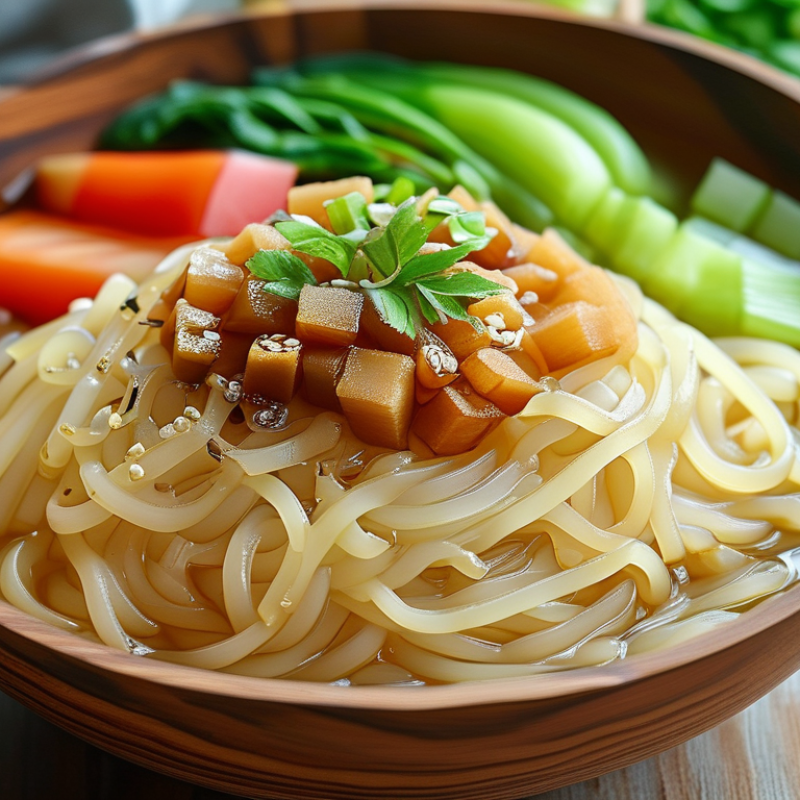
Nutritional Profile of Konjac Healthy Noodles
Konjac healthy noodles have gained popularity for their unique nutritional profile. These noodles are primarily made from the konjac plant's root, which contains a high amount of glucomannan, a soluble fiber. This fiber helps promote a feeling of fullness, making it easier to control hunger. With minimal calories and carbohydrates, konjac noodles are an excellent option for those pursuing weight management.
The nutritional content is impressive. A typical serving contains fewer than 10 calories. They are also gluten-free, making them suitable for people with gluten sensitivities. Additionally, konjac noodles are low in digestible carbohydrates. This quality can benefit individuals managing their blood sugar levels. Including them in your diet could enhance your overall health.
Tips: When cooking konjac noodles, rinse them thoroughly before use. This step improves the texture and reduces the natural odor. Experiment with various sauces and vegetables to create flavorful dishes. While konjac noodles may not offer a rich taste on their own, they provide a versatile base for countless recipes. However, it’s wise to consume them responsibly, as excessive fiber intake can lead to digestive discomfort. Balance is key when integrating them into meals.
Benefits of Konjac Healthy Noodles
Key Health Benefits of Consuming Konjac Noodles
Konjac noodles, derived from the konjac plant, offer a range of health benefits. These noodles are low in calories and high in dietary fiber. The primary component, glucomannan, absorbs water and expands in your stomach. This sensation can effectively promote feelings of fullness, aiding in weight management. People seeking a lighter meal may find konjac noodles a satisfying alternative to traditional pasta.
Moreover, konjac noodles support digestive health. The soluble fiber in glucomannan can help regulate bowel movements. It also acts as a prebiotic, nourishing healthy gut bacteria. However, it is essential to remember that not everyone may react positively to increased fiber intake. Gradual consumption is advisable for those not accustomed to a high-fiber diet.
Konjac noodles are gluten-free, making them suitable for individuals with gluten sensitivity. They provide a versatile base for various dishes but lack significant protein and nutrients. Adding diverse ingredients can enhance their nutritional value. Experimenting with flavors and textures can create delicious meals while reaping the benefits of these unique noodles.
How Konjac Noodles Contribute to Weight Management
Konjac noodles have gained popularity for their low-calorie content, making them appealing for weight management. Made from the konjac plant's root, these noodles contain glucomannan, a soluble fiber. Research indicates that glucomannan may help reduce body weight. A study published in the "International Journal of Obesity" showed that participants consuming glucomannan lost an average of 5.5 pounds over eight weeks.
Integrating konjac noodles into a balanced diet can aid in promoting satiety. The unique properties of glucomannan can expand in your stomach, leading to a feeling of fullness. This effect can help curb cravings. A report from the American Journal of Clinical Nutrition emphasized the significance of fiber in weight loss, indicating that increased fiber intake can lead to a reduction in overall calorie consumption.
However, it's crucial to recognize that konjac noodles should not be the sole strategy for weight management. Some individuals may find it difficult to adjust to their texture or taste. Additionally, their low protein content means they should be paired with other nutritious foods. Being mindful of portion sizes and overall dietary balance remains essential for effective weight management, even with healthy options like konjac noodles.
The Role of Konjac Noodles in Digestive Health
Konjac noodles have gained attention for their potential benefits in digestive health. These noodles are primarily made from the konjac plant, known for its high glucomannan fiber content. This soluble fiber can help regulate bowel movements and promote gut health. According to the Journal of Nutrition, dietary fiber like glucomannan plays a crucial role in reducing constipation and improving overall gut function.
Many people experience digestive discomfort and bloating. Incorporating konjac noodles into your diet may offer relief. Their low-calorie and high-fiber nature can make meals more filling without adding excess calories. A study published in the International Journal of Food Sciences and Nutrition found that glucomannan can increase satiety, leading to reduced caloric intake, which is beneficial for digestive health.
**Tips:** Try adding konjac noodles to a salad for added fiber without heavy calories. Pair them with a variety of vegetables for extra nutrients and digestive benefits. Remember to increase your water intake when consuming high-fiber foods to ensure smooth digestion.
Culinary Uses and Versatility of Konjac Noodles
Konjac noodles, often called shirataki noodles, are gaining popularity in the culinary world. Made from the konjac plant, these noodles are low in calories and high in fiber. Their unique texture adds a delightful chewiness to many dishes. Chefs appreciate their ability to absorb flavors from sauces and broths, enhancing the overall taste of meals.
Incorporating konjac noodles into your cooking is easy and versatile. They can be stir-fried with vegetables and spices, elevating a simple dish. You can use them in soups or salads, where they soak up the surrounding ingredients wonderfully. The noodles are also gluten-free and suitable for various dietary preferences. Whether you're vegan, vegetarian, or following a low-carb diet, konjac noodles fit seamlessly into your meals.
Experimenting with konjac noodles can lead to interesting outcomes. Some people might find them overly chewy, while others enjoy their unique texture. Adjusting cooking times can refine their consistency. Preparing them requires rinsing and short cooking, creating a learning curve for newcomers. Embracing these imperfections can help you discover inventive ways to enhance your dishes.