Top Glass Food Storage Container Benefits for Global Buyers?
In recent years, the demand for glass food storage containers has surged among global buyers. This shift reflects a growing awareness of food safety and environmental concerns. Many consumers now prioritize materials that are both safe and sustainable. Glass containers stand out for their non-toxic properties and ability to preserve food quality. They do not leach harmful chemicals, which is a common issue with plastics.
The versatility of Glass Food Storage Containers is another appealing factor. They can withstand high temperatures and are suitable for both freezing and microwaving. However, buyers should be cautious about potential breakage and weight. The elegance of glass might also lead to concerns about aesthetics in kitchen spaces. Is the design as important as functionality?
Furthermore, while glass containers are generally more durable than plastic, they can still crack over time. Finding the right balance between style, safety, and practicality is essential for effective food storage. The choice of Glass Food Storage Containers offers an array of benefits, but consumers must also consider their lifestyle and storage needs.
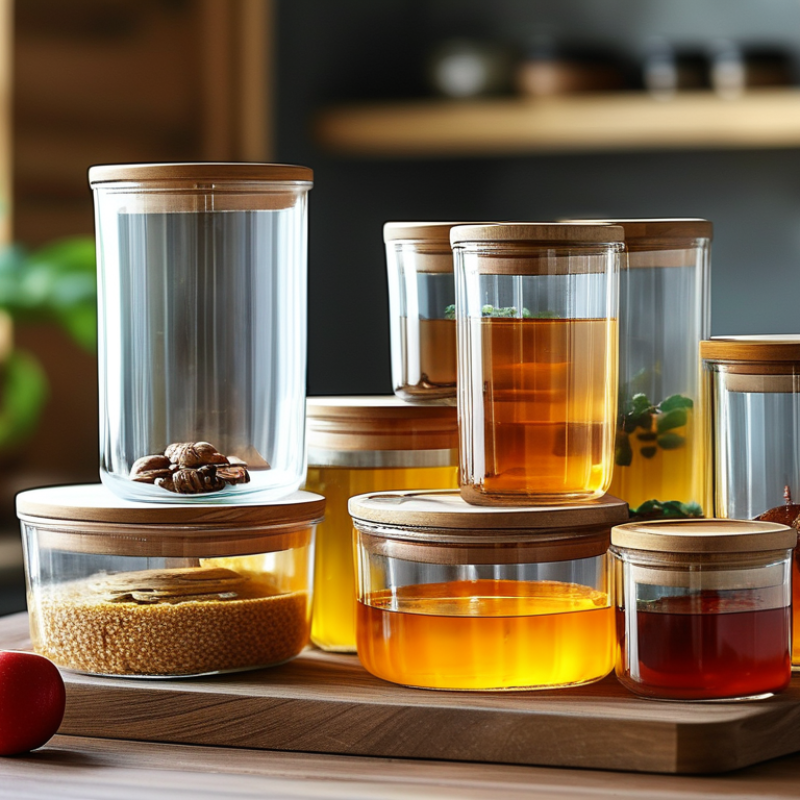
Advantages of Glass Food Storage Containers over Plastic Options
Glass food storage containers have gained popularity due to their numerous benefits. When compared to plastic options, glass containers stand out for their safety and longevity. They do not leach harmful chemicals into food, which is a significant concern with plastic. People often find peace of mind using glass, as it is inert and does not react with various food types.
Another key advantage of glass is its ability to withstand high temperatures. You can use it for freezing, microwaving, and even baking. This versatility is a big plus for many home cooks. Unlike plastic, which can warp or melt, glass maintains its shape and integrity. Additionally, it is easy to clean and often dishwasher-safe, which adds to its appeal.
However, glass does come with its challenges. It is heavier than plastic, making it less convenient for on-the-go meals. Breakage is also a concern, as dropping a glass container can lead to shattering. Despite these drawbacks, many believe the benefits outweigh the negatives. Using glass containers not only promotes health but also encourages sustainability through their reusability.
Health Benefits of Using Non-Toxic Glass Containers for Food Storage
Health-conscious consumers are increasingly choosing glass food storage containers for their versatility and safety. Unlike plastic, glass does not leach harmful chemicals into food. Research from the Journal of Environmental Health has shown that BPA-free alternatives still contain additives contributing to health risks. This raises concerns about long-term exposure to plastics, making glass a safer and more reliable option.
Moreover, glass is non-porous and impermeable. It does not hold onto food odors or stains. According to a report by the Glass Packaging Institute, over 70% of consumers believe glass preserves food quality better than plastic. Many users appreciate that glass containers can withstand extreme temperatures, making them suitable for both the freezer and microwave. This adaptability facilitates meal prep without compromising safety or nutrition.
However, glass does have its drawbacks. It can break easily if dropped, which raises safety concerns, particularly in households with young children. Some users find glass containers heavier to handle than plastic ones. Despite these challenges, the benefits of using non-toxic glass outweigh the downsides for many. Users honoring their health will likely keep glass containers in their kitchens for years to come.
Environmental Impact: Glass Containers and Sustainability Considerations
Glass food storage containers offer unique benefits that align with sustainability principles. Unlike plastic, glass is inert and doesn’t leach harmful chemicals into food. This means safer meals for you and your family. Furthermore, glass is recyclable, reducing waste in landfills. This aligns with eco-friendly practices, promoting a healthier planet.
When considering glass containers, think about their lifespan. Glass is durable and can last for years, unlike plastic, which can degrade over time. This longevity results in fewer replacements and reduced environmental impact. However, glass can break, leading to waste if not handled carefully. It’s crucial to strike a balance between use and care.
Tips for Sustainable Use: Always clean and reuse your glass containers. This extends their life and reduces waste. Keep an eye on how often you replace your storage solutions, as each new purchase has an environmental footprint. Ensure you choose the right size, as this minimizes food waste and maximizes efficiency in storage.
Versatility of Glass Food Storage Containers in Different Settings
Glass food storage containers are becoming increasingly popular across various settings, from homes to commercial kitchens. These containers are favored for their durability and ability to withstand temperature changes. A report from "Food Packaging Technology" notes that 60% of consumers prefer glass over plastic. This preference stems from the perception of safety and the reduction in chemical leaching.
In home settings, the versatility of glass containers is unmatched. They can go from the oven to the fridge, making meal preparation and storage seamless. A 2022 study found that 75% of home cooks use glass for meal prep. However, not all glass containers have airtight seals, which can lead to food spoilage and waste. Users need to consider the quality of the sealing mechanism when selecting containers to avoid such issues.
In professional environments, glass containers are often used for their aesthetic appeal. Restaurants showcase dishes in glass, enhancing visual presentation. Yet, heavy-duty glass containers are not always budget-friendly. Businesses must weigh the benefits against the upfront costs. Investing in quality glass storage can lead to long-term savings through reduced food waste and enhanced customer satisfaction.
Long-Term Cost Savings and Durability of Glass Containers
Glass food storage containers offer significant long-term cost savings and durability that attract global buyers. According to a study by the Glass Packaging Institute, glass is a sustainable choice that can be recycled endlessly without loss of quality. This means that consumers investing in glass containers can benefit from lower costs over time, avoiding the constant need to replace plastic alternatives that often degrade or become unsafe after repeated use.
The durability of glass containers plays a crucial role in their economic viability. Research indicates that quality glass containers can last for years, while plastic containers commonly wear down after just a few months. A report from the European Container Glass Federation highlights that glass does not absorb food odors or stains, maintaining its visual appeal. Furthermore, consumers appreciate the fact that glass is non-reactive and safe for high-temperature cooking, offering versatility that plastic cannot match.
Still, some buyers hesitate. They worry about the perceived fragility of glass. While it is true that glass can break, many modern designs incorporate tempered glass for added strength. Additionally, the environmental impact of choosing sustainable materials deserves consideration. As we face growing concerns about plastic waste, opting for glass becomes not just a cost-effective choice but also a responsible one. This shift reflects a broader trend towards sustainability and long-term investment in health and the planet.