Blog

7 Tips for Buying Birch Plywood 18mm Online

Buying birch plywood 18mm online looks straightforward until specifications begin to conflict. A product photo may show a clean, pale sheet, while the listing hides its core construction, grading, or formaldehyde class. This guide introduces seven practical tips for checking those details before payment. It focuses on evidence, not attractive photographs.

Industry data supports this careful approach. The FAO Global Forest Products Facts and Figures 2023 identifies wood-based panels as a major global forest-product category. Its international trade data also shows why buyers may face different grades, standards, and descriptions across suppliers. The UNECE/FAO Forest Products Annual Market Review further highlights changing panel markets, transport costs, and regional supply conditions. These factors can affect both price and delivery reliability.

Real purchasing experience adds another warning. An 18mm sheet may measure slightly differently after sanding or calibration. A cabinetmaker should check thickness tolerance, moisture content, face grade, and core gaps. The EN 13986 framework can help buyers assess panel performance for construction-related applications, while FSC or PEFC documentation may support responsible sourcing claims. Still, certification logos deserve verification.

A perfect checklist does not exist.

Ask for technical datasheets, batch photographs, edge views, and independent test reports. Confirm sheet dimensions, packaging, minimum order quantity, and replacement terms in writing. Compare the delivered weight with the stated specification when possible. A low price can reflect thinner veneers, lower-grade faces, or weak packaging. I have seen listings that sounded professional but omitted crucial details. That is the uncomfortable part. Careful buyers leave room for doubt, then verify every important claim.

7 Tips for Buying Birch Plywood 18mm Online

Define the Right Birch Plywood 18mm Grade for Your Project

7 Tips for Buying Birch Plywood 18mm Online

Define the right grade before comparing prices. Birch plywood is not one uniform product. B/BB usually offers clean faces with limited patches, making it suitable for visible furniture and cabinet doors. BB/BB allows more repaired knots and costs less. CP/CP is practical for painted parts, shelving, or hidden structures. USDA Forest Products Laboratory research confirms that veneer quality, grain direction, and panel construction affect plywood strength. An 18mm panel can still bend under load.

Tip: Match the grade to visibility, not habit. Ask for clear images of both faces, edges, and one close-up corner. Online photographs often hide filled knots. I still check twice.

For humid locations, inspect the bonding specification. EN 636-3 indicates plywood intended for exterior conditions, while EN 314 bonding classes help describe glue-line durability. These details matter more than a smooth front face near a sink or workshop door. Request the actual thickness, because “18mm” may measure slightly below or above the nominal size. Also confirm the formaldehyde class. E1 commonly means emissions of no more than 0.124 mg/m³ under EN 717-1. The European Panel Federation’s market reports show plywood demand remains closely linked to construction and furniture cycles, so availability and quality can change quickly.

Tip: Request certificates, tolerances, and moisture information before payment. Compare edge layers. Uneven cores reveal rushed production. My imperfect rule is simple: if the seller avoids technical questions, I keep searching.

7 Tips for Buying Birch Plywood 18mm Online — Define the Right Grade for Your Project

Use the face-grade comparison below as a practical starting point. Higher visual-quality grades are generally selected for exposed surfaces, while lower grades are commonly used when the panel will be painted, covered, or used structurally. Grade names and allowable defects can vary by supplier and standard, so always confirm the product specification before ordering.

Buying note: Check the nominal 18 mm thickness, panel dimensions, face/back grade, core construction, formaldehyde class, moisture resistance, flatness, and delivery protection. B/BB is often considered for visible furniture faces; BB/BB offers a balanced appearance; BB/CP, CP/CP, and C/C are typically more suitable for painted, concealed, or utility applications.

Check Sheet Size, Core Quality, and Surface Specifications

Buying Birch Plywood 18mm Online: 7 Tips for Checking Sheet Size, Core Quality, and Surface Specifications

Start with the actual sheet size, not the product title. Many listings show 2440 × 1220mm, but trimming allowances can reduce usable area. Ask for length, width, thickness tolerance, and packing dimensions. The USDA Forest Products Laboratory’s Wood Handbook, FPL-GTR-282, explains that wood products respond to moisture changes. Indoor plywood may move noticeably between humid and heated conditions. I once ordered panels without checking this detail. The cutting plan failed by a few millimetres.

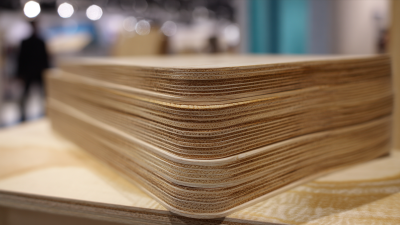
Inspect the core description carefully. Look for birch veneers, balanced plies, tight joints, minimal overlaps, and no visible voids along the edges. A clean edge usually indicates better manufacturing control, though it is not absolute proof. EN 314-2 classifies plywood bonding performance, while EN 636 separates panels by intended moisture exposure. Do not accept “waterproof” without a stated standard or test basis. The FAO Forestry Production and Trade database also separates plywood from other wood-based panels, reminding buyers to compare equivalent products.

Surface specifications need equal attention. Confirm face grade, back grade, sanding level, repair patches, and allowable knots. “Furniture grade” is too vague for reliable online purchasing. Request close photographs under side lighting, especially near corners. USDA guidance notes that veneer appearance and moisture influence both stability and finishing results. My own mistake was trusting a bright studio image; the delivered surface showed patches and darker grain. A small sample may cost more, but it can expose core gaps, rough sanding, or uneven thickness before a full order.

7 Tips for Buying Birch Plywood 18mm Online - Check Sheet Size, Core Quality, and Surface Specifications

No. Buying Tip Specification to Check Typical Information for 18mm Birch Plywood Why It Matters Online Check
1 Confirm the sheet size Length × width and cutting tolerance Common full-sheet formats include 2440 × 1220 mm and 2500 × 1250 mm. Some suppliers also offer 3050 × 1525 mm sheets. The usable area affects project yield, joint locations, transport, and cutting waste. Request the exact finished size, dimensional tolerance, and a cutting diagram if panels are cut to order.
2 Verify the actual thickness Nominal thickness and thickness tolerance The nominal thickness is 18 mm. A small variation can occur because of veneer thickness, adhesive, pressing, and sanding. Thickness influences joinery, flush fitting, edge-banding, screw engagement, and finished dimensions. Ask for the declared tolerance and whether the measurement is taken before or after sanding.
3 Inspect core quality Veneer layers, gaps, overlaps, patches, and voids Quality birch plywood normally uses multiple cross-banded birch veneer plies. The number of plies varies with construction and manufacturer. A uniform core improves stiffness, screw holding, machining quality, and resistance to localized failure. Request close-up edge photos or a sample showing the full cross-section; do not judge core quality from the face alone.
4 Check face and back grades Visual grade, knots, patches, open defects, and color consistency A/B faces are generally cleaner than B/BB or BB/BB faces. Grade names and permitted defects should be defined by the seller or applicable standard. Visible knots and repairs affect clear finishing, painting, furniture appearance, and material sorting. Ask for photos taken in natural or neutral light and confirm which face is intended for display.
5 Match the surface finish to the use Sanded or unsanded surface, sanding quality, and panel flatness Common options include sanded two sides, sanded one side, or unsanded panels. Sanding does not make the surface automatically ready for a clear coat. A consistent surface reduces preparation time and helps produce an even stain, paint, or clear finish. Confirm the sanding grit if available, allowable surface repairs, and flatness requirements for cabinet or furniture work.
6 Check bonding and moisture suitability Interior or humid-use rating, adhesive type, and moisture content Interior panels are intended for dry conditions. Moisture-resistant or exterior-bonded panels are different specifications and should be identified explicitly. The wrong bonding class can lead to delamination, edge swelling, or premature failure in damp environments. Ask for the intended service environment, applicable test or standard, and storage instructions before ordering.
7 Review safety, packaging, and delivery details Formaldehyde class, pallet protection, quantity, weight, and damage policy Request a documented emissions class such as E1 where required by the project or local regulations. An 18 mm birch plywood sheet commonly weighs approximately 30–35 kg at 2440 × 1220 mm, depending on density and moisture. Compliance documents, safe handling, and protected transport help prevent unexpected costs and unusable sheets. Confirm product documents, pallet dimensions, sheet count, delivery access, corner protection, and the process for reporting transit damage.

Note: Exact tolerances, grades, emissions classifications, moisture performance, and weight vary by manufacturer and applicable standard. Always request the current technical datasheet and a physical sample for critical work.

Compare Online Prices, Shipping Fees, and Seller Reliability

7 Tips for Buying Birch Plywood 18mm Online

Compare the full delivered cost, not only the listed sheet price. Add shipping, packing fees, taxes, and any cutting charges. One inexpensive sheet may become costly after freight.

Measure twice. Check the panel dimensions, thickness tolerance, grade, core construction, and surface quality. Product photos can hide patches, edge damage, or slight warping. Ask for current photos when the order matters.

Read recent reviews carefully, especially comments about packaging and delivery condition. Reviews with clear photographs usually provide stronger evidence than short ratings. Confirm how the seller protects corners and supports large panels during transit.

Ask direct questions about stock, replacement policies, and expected dispatch dates. A reliable seller should answer clearly and consistently. Save the product page and written promises before paying.

I once selected the lowest online price and ignored the delivery estimate. The sheets arrived late, and my project schedule suffered. That mistake changed my buying process. I now compare at least three offers using one simple table. Record the sheet price, shipping fee, delivery window, return terms, and seller response time.

Check whether the seller provides a proper invoice and material documentation when required. Do not assume “birch plywood” guarantees premium quality; construction can vary between listings. A small price difference may be worthwhile if packaging, communication, and returns are stronger.

Verify Product Photos, Certifications, and Customer Reviews

7 Tips for Buying Birch Plywood 18mm Online

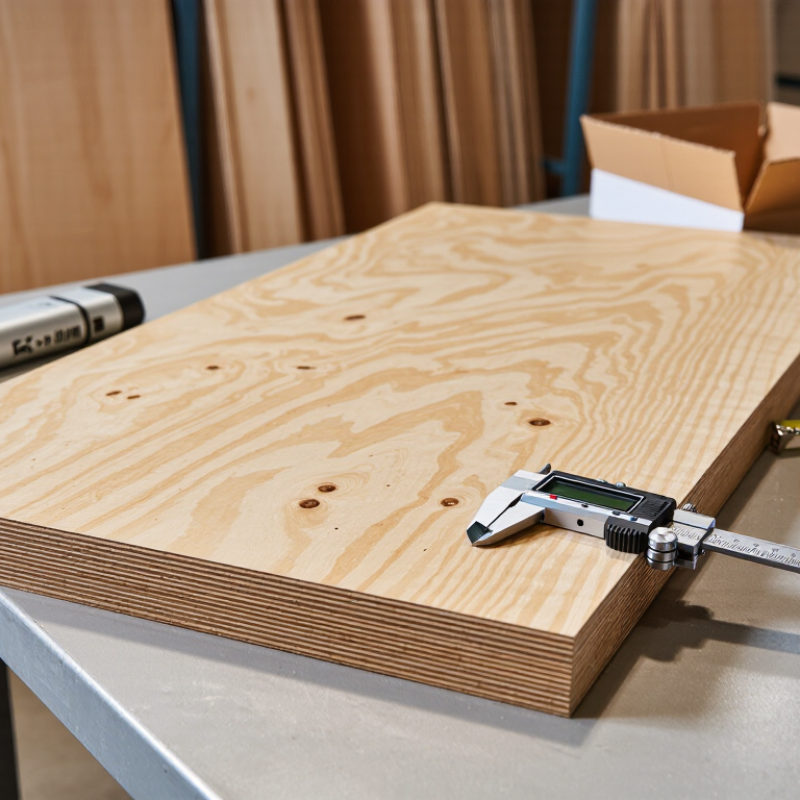
Verify product photos before trusting a listing. Clear images should show the sheet surface, edges, corners, and stacked layers. Look closely for uneven veneers, open gaps, dark patches, or swollen edges. The edge should appear consistent, not like compressed cardboard. Ask the seller for current photos when images seem overly polished. Photos can mislead. Confirm the stated 18mm thickness with a caliper reading or a measurement beside a ruler. Also check the face grade, core construction, sheet dimensions, and moisture condition. I once overlooked a small edge defect because the main image looked perfect. That mistake made installation slower.

Certifications deserve careful checking. Look for the certificate number, issuing organization, scope, and expiry date. A logo alone proves very little. Request test documents covering bonding quality, formaldehyde emissions, or structural performance when your project requires them. Requirements may differ by country and intended use, so compare documents with local expectations. Customer reviews add practical evidence, especially when buyers mention warping, delivery damage, layer separation, and actual thickness. Read recent reviews and notice repeated comments rather than one angry complaint. Verified purchase photos are particularly useful. Still, reviews can be incomplete. A reviewer may measure the wrong area or judge plywood without considering storage conditions. Contact the seller with specific questions, and keep written answers before ordering. That small record can prevent an expensive misunderstanding.

Inspect the Delivered Plywood Before Accepting Your Order

When buying 18mm birch plywood online, inspection should begin before you sign for delivery. Keep a tape measure, flashlight, gloves, and your order details nearby. Check the package for crushed corners, punctures, wet marks, or broken straps. Damage to the wrapping often signals hidden damage inside.

Tips: Photograph every side of the package before opening it. Then inspect several sheets, not only the top panel. Measure the thickness at different points; small variations can affect joints and cabinet alignment. Look for open veneers, overlapping layers, voids, surface splits, and dark moisture stains. Run your hand across the face to find raised grain or swelling. Place one sheet on a flat surface and check for bowing. A straightedge helps, but careful observation still matters.

Do not rush this step. I once focused on a clean top sheet and missed chipped edges underneath. That mistake created extra cutting waste. If defects appear, record clear photographs with a ruler beside them. Compare the plywood with the agreed specification, including grade, size, thickness, and number of panels. If the delivery note allows comments, write “subject to inspection” before accepting the order. Contact the seller promptly, using precise measurements rather than vague complaints. Keep the damaged packaging until the issue is resolved. Fresh plywood can also release moisture after storage, so let it acclimate in a dry, level area before machining.