
Choosing Bun Feet Sofa Legs can change how a sofa feels and looks in a room. Their rounded profile adds a softer line beneath square upholstery, while the leg’s height affects clearance, stance, and visual balance. Small details matter. A polished wood foot may suit a traditional frame, while a painted finish can make a familiar shape feel more relaxed. The right choice depends on more than appearance.
Furniture maker George Nakashima observed, “A tree is our most intimate contact with nature.” His words speak to the character of wood, a material many buyers consider when choosing sofa legs. Grain, finish, and construction can vary, even between pieces that look similar in a product photo. Check the listed dimensions, mounting method, weight guidance, and return terms before purchasing. A beautiful foot is not useful if it cannot fit your sofa securely.
This guide to the 7 best Bun Feet Sofa Legs compares options by style, material, size, and practical fit. It is intended to help furniture buyers narrow their choices, whether they are updating a vintage couch or refreshing a newer frame. Still, no buying guide can inspect your sofa in person. Measure carefully, and check the frame’s attachment points; those details are easy to overlook. Consider how the legs will look against your flooring, too. A dark foot can disappear on a dark rug, while a pale finish may show scuffs sooner. The best pick is the one that suits your sofa and your everyday use.
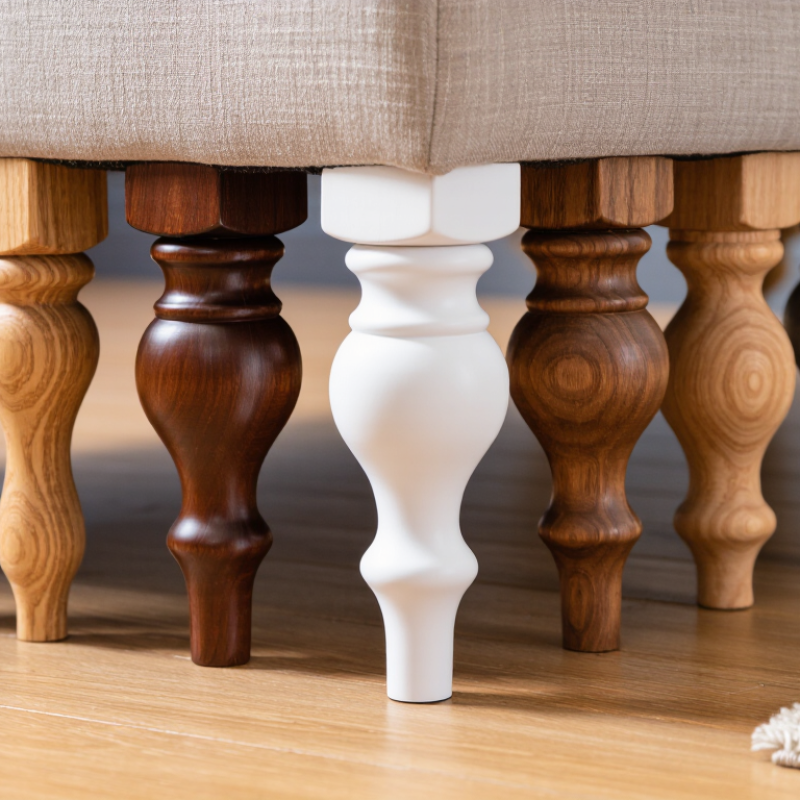
Bun feet are short, rounded sofa legs with a broad base and a gently curved profile. They sit beneath the furniture frame, lifting upholstery clear of the floor. Their compact shape suits sofas that need a traditional look without tall, exposed legs. They are not just decoration.
A sofa’s weight travels through its frame and into the feet, then down to the floor. A wider, level base can help spread pressure and reduce rocking, but only when the legs are securely attached. Loose bolts or a weak mounting point can make even sturdy feet unstable. Check the sofa’s frame and the leg’s attachment style before choosing replacements.
Height matters, too. A few extra inches can make sitting and standing easier, while changing the sofa’s overall proportions. Measure from the floor to the frame, not just to the upholstery. On thick carpet, short feet may disappear visually; on hard flooring, felt pads can help prevent scratches. One detail is easy to overlook: rounded feet may limit clearance for a vacuum. They can be attractive, but they are not ideal for every room.

Bun feet soften the look of a sofa with their rounded, compact shape. Solid hardwood, such as maple, oak, or beech, offers good resistance to everyday knocks. Pine costs less, but its softer surface may show dents sooner. The grain matters, too. Two feet with the same stain can look noticeably different when their wood patterns vary. Small details matter.
Most bun feet are round or slightly flattened, while some have turned grooves or a narrow neck above the base. A broader profile can make a sofa feel grounded, but check that the feet do not crowd nearby furniture. Measure the mounting point and floor clearance before choosing a replacement. A beautiful foot is not useful if its screw position does not match.
Finishes range from clear oil and natural varnish to painted, dark-stained, or distressed surfaces. Clear finishes show more grain; paint can hide differences between replacement pieces. Matching an older sofa’s color is rarely exact, even with a sample in hand. That part is a little frustrating. Compare the finish in daylight, and consider how it will look beside the sofa fabric and flooring. Check that the coating feels smooth and has no sticky patches before installation.
Bun feet can change a sofa’s character without replacing its upholstery. A smooth, rounded bun suits traditional frames and soft, relaxed rooms. Turned bun feet add narrow grooves and a more formal profile. Fluted feet bring vertical lines that pair well with tailored fabric. Carved bun feet offer extra detail, but can compete with patterned upholstery. Collar-ring styles have a distinct band near the top. Tapered buns look lighter, while low, squat buns create a grounded silhouette. Small differences show.
Compare proportions before choosing. A foot that looks balanced in a product photo may seem oversized beneath a compact loveseat. Measure the existing legs, sofa clearance, and mounting point. Check whether the frame uses a threaded stem, bolt, or mounting plate; these fittings are not interchangeable. Also confirm the listed load capacity for the full set, not just one foot. Details matter.
Finish and material affect daily use. Wood can be painted or stained, while a metal fitting may provide a firmer connection at the frame. Look closely at the foot’s underside, where uneven contact can scratch floors or make a sofa wobble. Felt pads help, but they cannot correct a poor fit. A more decorative style is not always the better choice. Sometimes the plain one works best.
Bun feet can make a sofa feel grounded, but their size should suit the furniture above them. Compare each leg’s height and width with the sofa’s frame, not just its overall shape. A bulky sofa may look unstable on narrow feet, while oversized feet can crowd a compact loveseat. Measure twice. Raising the sofa also changes seat height and the space beneath it, so check comfort and floor clearance before buying.
Weight capacity matters as much as appearance. Check the maker’s load rating and confirm whether it applies per leg or to a full set. Include the sofa, cushions, and likely occupants when assessing the total load; allow a sensible margin rather than aiming for the limit. Inspect how each foot attaches, too. The bolt, mounting plate, and frame must match, and a center support may be needed on longer sofas. Fit matters. A sturdy-looking leg is not proof of a secure connection.
For décor, match the finish to nearby wood tones, metal details, or flooring, but an exact match is rarely necessary. Dark feet can anchor a pale sofa; natural wood can soften a room with cool fabrics. In real rooms, small differences in stain often show more under bright daylight. Bring a finish sample home if possible. I still find proportion harder to judge from a product photo, so compare the listed dimensions with your sofa before deciding.
How to read this chart: These are illustrative starting points, not a universal sizing standard. Choose a height that suits the sofa’s overall proportions and desired seat height. Before buying, check each leg’s load rating and confirm the set can support the sofa and its occupants; match the finish and shape to your décor.
Bun feet can soften a sofa’s profile, but the right shape is only part of the choice. Check each leg’s height, mounting style, and stated load capacity against your sofa. Measure the existing legs from floor to frame, then compare the new height with nearby tables and rugs. Small differences matter. A thicker carpet may change how the sofa sits.
Before fitting, remove cushions and ask someone to help tilt the sofa onto a padded surface. Find the mounting plate or threaded insert, and confirm the replacement hardware matches. Never force a bolt that catches; mismatched threads can damage the frame. Tighten each leg by hand, then secure it gently with the proper tool. Over-tightening may split wood or distort a plate. Set the sofa down slowly and check that all feet touch the floor. It should not rock. If one corner lifts, inspect the fitting rather than adding a loose shim.
Maintenance takes only a few minutes. Check the legs after moving the sofa and every few months, especially if the floor is uneven. Look for loosened screws, cracks near the joint, or a wobbly mounting plate. Clean wood feet with a soft, slightly damp cloth and dry them promptly. Avoid soaking the finish. I once assumed a squeak meant a loose leg; it was a floorboard, so check both before tightening anything.
| Bun Foot Option | Best Suited For | Material and Finish | Typical Height | Fitting and Installation | Care and Checks |
|---|---|---|---|---|---|
| Classic hardwood bun feet | Traditional sofas and furniture needing a rounded, substantial look | Solid hardwood; commonly stained or clear-coated | About 3–5 in (7.5–12.5 cm) | Check the existing attachment first. Fit with a compatible hanger bolt, plate, or other specified fixing; tighten evenly by hand. | Dust regularly; wipe spills promptly and check that each foot remains secure. |
| Unfinished hardwood bun feet | Furniture projects where a custom color or finish is desired | Unfinished solid wood, ready for a compatible stain, paint, or clear finish | About 3–5 in (7.5–12.5 cm) | Finish all exposed surfaces and allow the coating to cure before installation. Match the fixing to the sofa frame. | Use a finish suitable for indoor furniture; avoid soaking the wood during cleaning. |
| Painted bun feet | Sofas where a coordinated or contrasting painted finish is preferred | Painted wood; inspect the finish for chips before fitting | About 3–5 in (7.5–12.5 cm) | Protect the painted surface while handling. Align the fixing with the existing mounting point and avoid overtightening. | Clean with a soft, slightly damp cloth; touch up scratches with a compatible coating. |
| Low-profile bun feet | A lower seating height or a compact, understated furniture profile | Wood or another furniture-grade material; finish varies by item | About 2–3 in (5–7.5 cm) | Measure the current floor-to-seat height before buying. Confirm that the shorter feet leave suitable floor clearance. | Check clearance beneath the sofa and make sure the feet sit flat on the floor. |
| Taller bun feet | Raising a sofa slightly, subject to frame and fitting compatibility | Usually wood; available in a range of finishes | About 5–6 in (12.5–15 cm) | Confirm the sofa frame and attachment are suitable for the added height. Install matching feet as a set and check stability. | After installation, check for rocking and recheck the fixings after the sofa has been used. |
| Bun feet with a hanger bolt | Furniture with a compatible threaded insert or mounting plate | Commonly wood with a metal threaded fixing | Varies; measure the foot itself | Match the bolt diameter and thread to the sofa’s insert. Start by hand; do not force a mismatched thread. | Inspect the threaded connection periodically. Replace a damaged insert or bolt rather than forcing it tight. |
| Bun feet with a mounting plate | Sofas designed for a plate-style leg attachment | Wood foot with a metal plate; plate design and hole pattern vary | Varies; check total installed height | Compare the plate dimensions and screw-hole positions with the furniture frame. Use the specified screws and do not drill without confirming the frame construction. | Check screws for looseness and inspect the plate and surrounding frame for movement or damage. |
| Buying note: Height ranges are typical selection examples, not standardized sizes. Before ordering, measure the foot, check the sofa’s attachment type and thread or plate dimensions, and confirm that the furniture frame is suitable for the replacement. | |||||

Signup our newsletter to get update information, promotion or insight.