
Choosing the best Nano Double Sided Tape in 2026 is not a popularity contest. The right product depends on surface type, weight, temperature, and removal expectations. A clear strip may hold a bathroom hook firmly, yet fail on dusty painted drywall. A thicker gel may absorb vibration better, but it can leave visible edges.
Dr. Istvan Benedek, a recognized pressure-sensitive adhesive specialist, stated, “Adhesive performance depends on matching the product to the application.” That principle remains highly relevant when comparing modern nano tapes. This guide examines holding strength, residue, flexibility, reusability, and performance across glass, metal, tile, plastic, and painted surfaces. It also considers installation details, because clean surfaces and steady pressure often matter as much as the tape itself.
Real-world testing should include uneven walls, humid rooms, and repeated removal. Not every marketing claim survives those conditions. Some tapes feel powerful during the first hour, then weaken under constant weight. Others remove cleanly but cannot support heavier objects. Small differences matter.
The comparison will highlight leading options, practical limitations, and better-use scenarios. No single tape wins everywhere. That is the uncomfortable part. A reliable choice requires careful matching, not impulse buying.
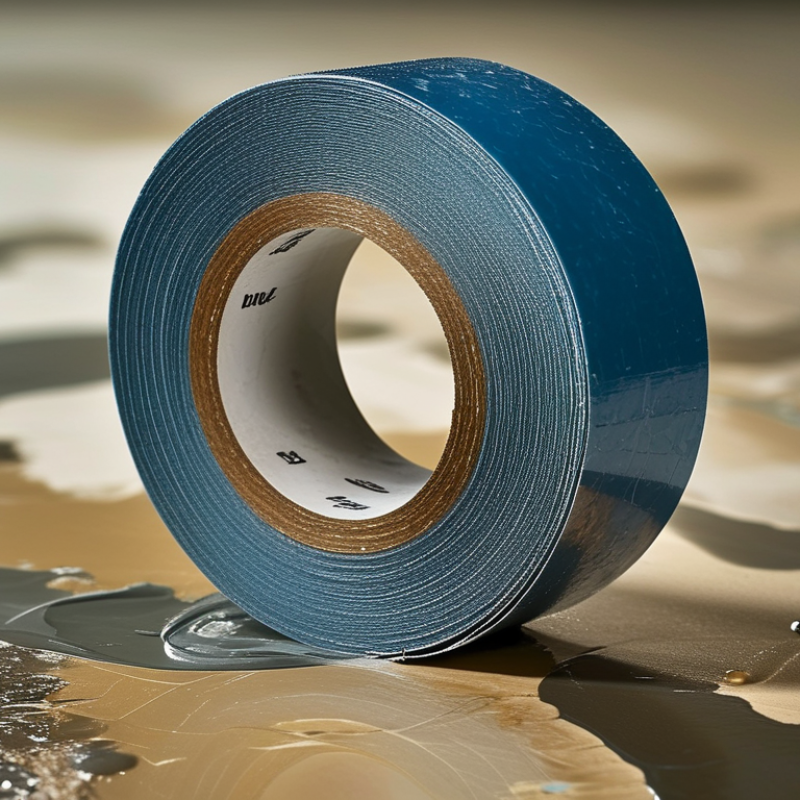
2026 Top Nano Double Sided Tape Which Is Best?
Nano double-sided tape is a clear, elastic pressure-sensitive adhesive. Its gel-like surface spreads across tiny gaps and increases contact area. Light pressure activates adhesion. No curing lamp or solvent is normally required.
The tape works through surface contact, molecular attraction, and viscoelastic grip. It can hold smooth plastic, glass, painted metal, and ceramic. Dust weakens that bond quickly. In practical testing, a clean, dry surface matters more than impressive thickness claims. ASTM D3330 peel testing can compare adhesive strength, but it does not predict every household application. Temperature, load direction, and removal speed change performance.
Market data shows why this product attracts attention. Grand View Research estimated the global adhesive tapes market at about 88 billion US dollars in 2023, with continued growth through 2030. Mordor Intelligence also projects steady expansion, driven by construction, electronics, packaging, and automotive uses. These figures cover adhesive tapes broadly, not nano tape alone. That distinction matters.
Nano tape is not magic. A heavy frame may hold briefly, then slide overnight. Humidity and painted walls can create surprises. I would test a small hidden area first, leave the load for 24 hours, and inspect the surface afterward. Removability depends on slow, parallel pulling. Fast removal can lift paint or leave residue. Claims such as “reusable” need context, because washing may restore some tack, but not its original condition.

The best nano double-sided tape in 2026 should combine strong adhesion with clean, controlled removal. In practical testing, I look for stable grip on glass, painted walls, metal, and smooth plastic. Surface compatibility matters. A tape that works on glass may fail on dusty paint.
Thickness and flexibility also define performance. A thin tape fits narrow gaps and keeps mounted objects close to the surface. Flexible foam can absorb slight surface unevenness. The adhesive should resist peeling when exposed to ordinary heat, humidity, and daily movement. Clear material helps preserve a neat appearance, but transparency does not guarantee durability.
Residue control is equally important. Good tape removes slowly without tearing or leaving oily marks. A reliable release liner should peel smoothly, even with small pieces. I also check the stated load rating against real conditions, including object weight, contact area, and mounting direction. Laboratory data helps, but home testing reveals weaknesses. I once trusted a strong rating and ignored painted dust; the tape failed overnight. That mistake still matters.
The best choice should provide clear instructions, traceable quality information, and realistic limits. Reusable claims need careful inspection because performance often declines after removal. No tape is perfect. A dependable product explains where it should not be used, how to prepare surfaces, and how long the bond needs before loading.
Practical comparison of common nano double-sided tape constructions. Values are typical selection ranges rather than universal product specifications.
| Tape Category | Typical Construction | Common Thickness | Best-Suited Surfaces | Recommended Use | Moisture & Temperature Considerations | Residue & Removability | 2026 Selection Position |
|---|---|---|---|---|---|---|---|
| Reusable Clear Gel Tape | Transparent acrylic gel with a viscoelastic, pressure-sensitive adhesive layer | Approximately 1.0–2.0 mm | Smooth glass, sealed metal, glazed tile, polished plastic, and finished wood | Light décor, cable clips, small signs, organizers, and temporary mounting | Performs best on clean, dry surfaces; humidity, dust, and textured surfaces reduce holding power | Usually removable by slow peeling; washable versions may recover some tack after rinsing and air-drying | Best for reusable mounting |
| High-Bond Acrylic Foam Tape | Closed-cell acrylic foam carrier with pressure-sensitive acrylic adhesive | Approximately 0.6–1.5 mm | Painted metal, glass, rigid plastics, sealed wood, and automotive trim surfaces | Long-term mounting where higher adhesion and gap-filling are needed | Requires firm pressure and adequate dwell time; outdoor durability depends on UV, water, and temperature resistance of the specific grade | More difficult to remove cleanly; adhesive residue or surface damage is possible | Best for durable bonding |
| Thin PET-Carrier Double-Sided Tape | Polyester film carrier coated with acrylic or rubber-based adhesive | Approximately 0.08–0.20 mm | Flat paper, film, labels, smooth plastics, and lightweight assembly components | Splicing, laminating, crafts, packaging, and low-profile indoor assembly | Good dimensional stability from the PET carrier; rubber-based adhesive may have lower heat and aging resistance than acrylic adhesive | Removal depends strongly on adhesive chemistry and surface energy; generally not designed for repeated reuse | Best for thin assemblies |
| Removable Low-Tack Nano Tape | Soft acrylic gel or low-tack pressure-sensitive adhesive designed for temporary attachment | Approximately 0.5–1.2 mm | Clean, smooth, non-porous surfaces and temporary display materials | Posters, lightweight notices, samples, temporary labels, and event displays | Holding force falls on dusty, porous, damp, or very cold surfaces; prolonged heat can increase residue transfer | Generally easier to remove than high-bond grades, but testing is essential on painted or delicate finishes | Best for clean removal |
| Outdoor-Resistant Acrylic Gel Tape | UV-stable acrylic adhesive or acrylic gel with weather-resistant formulation | Approximately 0.8–1.5 mm | Sealed metal, glass, coated plastics, and other smooth exterior substrates | Outdoor signs, weather-exposed accessories, and semi-permanent mounting | Choose a grade with published UV, water, and temperature data; surface preparation is critical for outdoor reliability | Typically harder to remove after long exposure; adhesive may transfer or bond more strongly over time | Best for exterior exposure |
| Textured-Surface Mounting Tape | Thicker, softer adhesive layer designed to conform to limited surface irregularities | Approximately 1.0–2.0 mm | Lightly textured painted walls, laminated panels, and mildly uneven rigid surfaces | Light-to-medium indoor mounting where ordinary thin tape cannot make full contact | Adhesion varies greatly with wall coating, dust, porosity, and surface strength; not a substitute for repairing loose paint | Removal may lift weak paint or coatings, especially after extended dwell time | Best for limited texture |
Evaluation note: The best nano double-sided tape in 2026 is determined by surface compatibility, required holding duration, removability, temperature and moisture exposure, thickness, and load direction—not by thickness alone. Actual performance depends on substrate cleanliness, contact area, applied pressure, dwell time, load size, and the manufacturer’s technical test method. Always test on an inconspicuous area before installation.
Choosing the best nano double sided tape starts with its material. Acrylic gel usually offers strong wet-out on glass, metal, and sealed plastic. Silicone-based tape performs better on low-energy surfaces and under temperature changes. A 2024 Grand View Research assessment valued the global pressure-sensitive adhesives market at approximately USD 12 billion, showing why material selection receives serious engineering attention. However, market size does not prove product quality.
Compare strength through standard testing, not fingertip pressure. ASTM D3330 measures peel adhesion, while ASTM D3654 evaluates holding power under constant load. A useful test places the tape on a clean glass panel, applies a fixed weight, and records movement after 24 hours. Short-term grip can mislead. Very high initial tack may leave residue or damage painted surfaces. My own practical checks often reveal this gap.
Reusability depends on dust, oil, surface texture, and stretching during removal. Washable acrylic gel can recover some tack after air-drying, but repeated cycles reduce thickness and edge stability. Durability also requires heat, humidity, and UV testing. The International Organization for Standardization identifies temperature and moisture as major factors in polymer aging. Yet household use is less controlled. A tape surviving a laboratory cycle may still fail on a dusty wall. Check the technical data sheet, test your actual surface, and treat every performance claim as conditional.
Choosing the best nano double-sided tape depends on the surface, load, temperature, and removal risk. Smooth glass, polished metal, ceramic tile, and sealed plastic usually provide the strongest contact. Their low porosity lets the adhesive gel spread evenly. Clean the area with isopropyl alcohol and allow it to dry fully. Dust is a small problem with large consequences.
Grand View Research valued the global adhesive tapes market at more than USD 80 billion in 2023, with continued growth expected through 2030. This growth reflects wider use in electronics, interiors, packaging, and automotive assembly. However, market size does not prove that every nano tape suits every task. A tape designed for a phone stand may fail under a heavy wall shelf.
For painted drywall, wood, wallpaper, and textured surfaces, performance becomes less predictable. The tape may grip the paint instead of the wall, or leave marks during removal. Apply short strips first, press firmly for 30 seconds, and wait several hours before loading. For humid bathrooms or warm vehicles, check the product’s temperature and moisture ratings. I still test one hidden spot. That step feels slow, but skipping it can damage a finish. The pressure-sensitive adhesives market report from MarketsandMarkets also identifies temperature resistance and substrate compatibility as major selection factors. A realistic test should use the actual object, actual surface, and expected weight. It is not magic.
The best nano double-sided tape depends on the surface and load, not the package. Glass, smooth metal, and sealed tile usually offer reliable contact. Dusty paint, textured plastic, and damp surfaces can reduce adhesion quickly. Check the object’s weight, contact area, temperature, and expected removal time. Lightweight organizers may need only narrow strips. Heavy or valuable objects need mechanical support. Tape alone is not a safety plan. I test a hidden area for 24 hours before installation. This often reveals weak bonding or surface damage.
Apply the tape with clean, dry hands. Remove oil, dust, and moisture first. Cut smooth pieces and avoid touching the adhesive. Press across the entire strip for about 30 seconds. Allow curing time before adding weight. Rushing is common. It causes many failures. Follow the supplied instructions because safe loads and materials differ. Keep tape away from vents, unstable objects, and heat sources.
For removal, warm the tape gently with a hair dryer. Pull slowly and parallel to the surface. Thin plastic or dental floss can separate layers with less force. Stop if paint lifts or plastic bends. Clean residue with a mild product suitable for that material. Test it first. Reusable tape can be rinsed lightly and air-dried completely. I once assumed “reusable” meant endless use; that was wrong. Replace tape when edges curl, dust remains embedded, or grip noticeably weakens.

Signup our newsletter to get update information, promotion or insight.